Refugee kids displaced to KC seek soccer standing in Chasing Goals documentary
Courtesy of Wavelength Productions
A boy melts trash bags over some socks over a fire to make a soccer ball.
So it goes in the trailer for Chasing Goals, an upcoming documentary from local filmmaker-slash-director Josh Gloer. It follows Global Futbol Community (Global FC), a Northeast KC soccer org that serves refugee and immigrant youth.
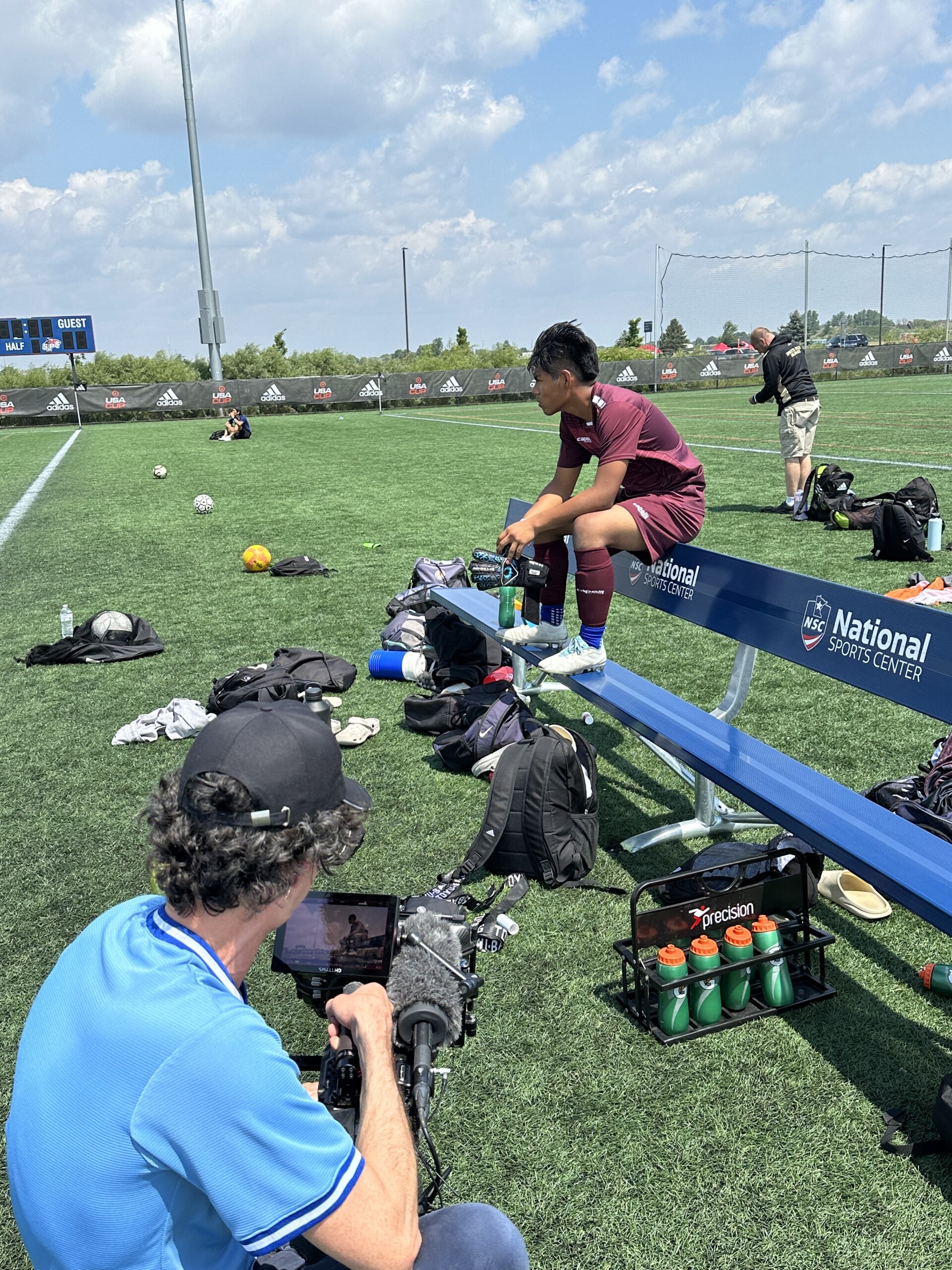
More specifically, the story revolves around a team of teenage boys representing 29 different home countries. They have just 30 days to prepare for the USA Cup, a first-time undertaking thanks to the club’s then-new director of coaching. Competing against 15,000 other players, mostly from elite clubs, Global FC is the underdog.
Chasing Goals’ first screening will be here in Kansas City, Aug 29, at Full Tilt Film Festival.
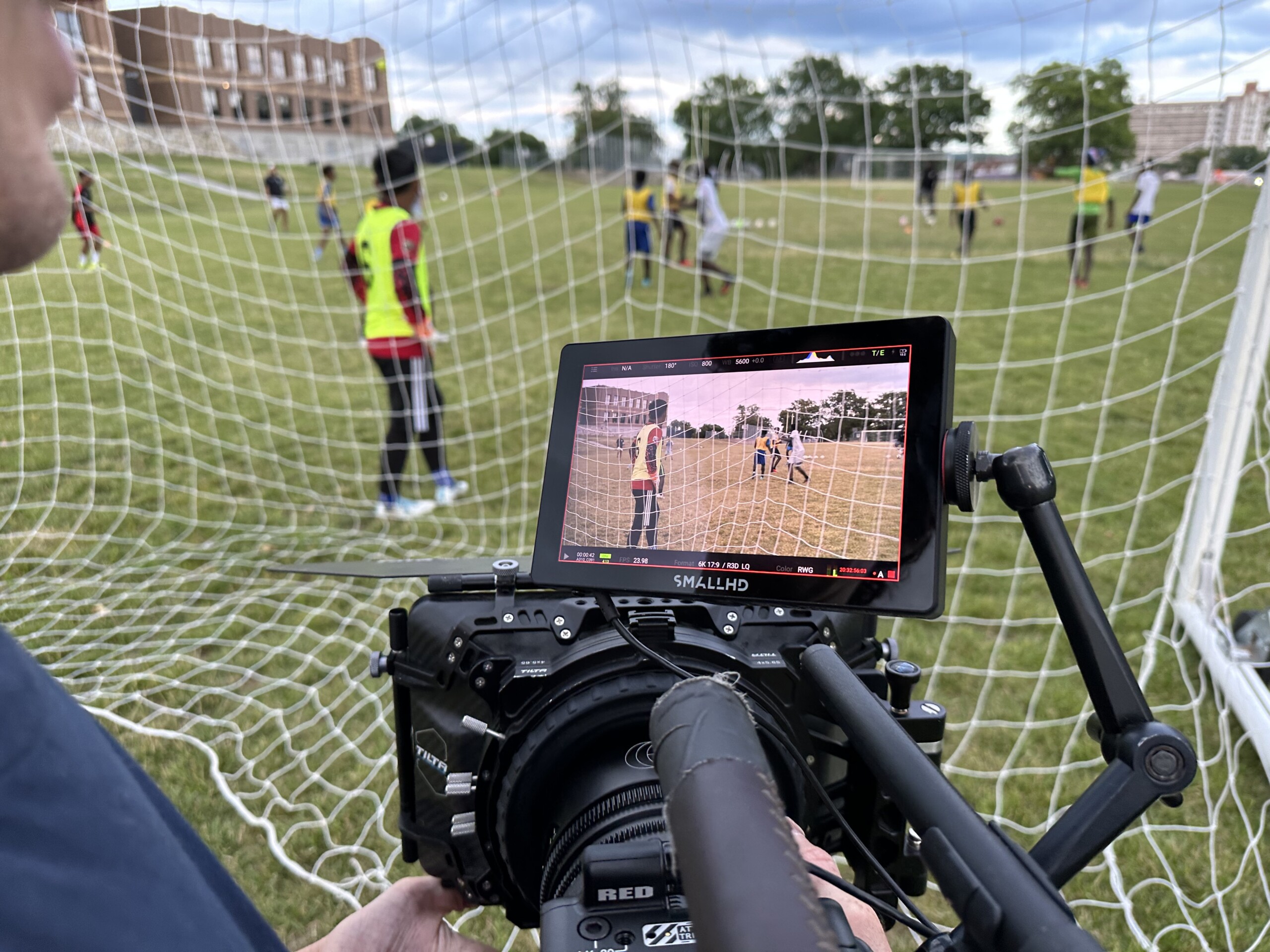
The premiere will be the culmination of three years of filming. And while its production was outwardly small in scale, putting it all together was no tiny feat.
Courtesy of Wavelength Productions
Meaning in the Making
Having lived in Los Angeles for 15 years, Gloer has a history of working in film and television; think drunk housewives and the true crime genre (lots of true crime, he adds).
“This kind of stuff, it’s not satisfying in any way,” Gloer says. “I was searching for stories that would have some kind of meaning. If not for anyone else, then for me personally.”
That was in 2021, when American troops withdrew from Afghanistan. It resulted in the resettlement of nearly 200,000 Afghans to the US as part of the Biden administration’s Operation Allies Welcome, which was later extended and renamed to Operation Enduring Welcome, per NPR.
“I actually heard people saying, ‘Yes, let’s bring all the Afghans back with us as long as they don’t live in my neighborhood.’ It pissed me off. These are people who helped our soldiers, our 18-year-olds survive in Afghanistan,” Gloer remembers.
According to the Center for Immigration Studies, about 43 percent of children in Afghan immigrant homes currently live in poverty.
Wanting to do something rather than “sit around and complain,” Gloer began volunteering at KC resettlement agencies and soon involved his daughter, who joined an all-refugee soccer team. That, of course, would be Global FC.
Courtesy of Wavelength Productions
Making it normal
The club launched in 2014 thanks to founder and director Mariya Dostzadah Goodbrake, herself a former refugee from Afghanistan. From her experiences, she understood the precarity of growing up displaced and—after a visit to Syrian refugees in Jordan—how soccer could be a means of finding hope and normalcy.
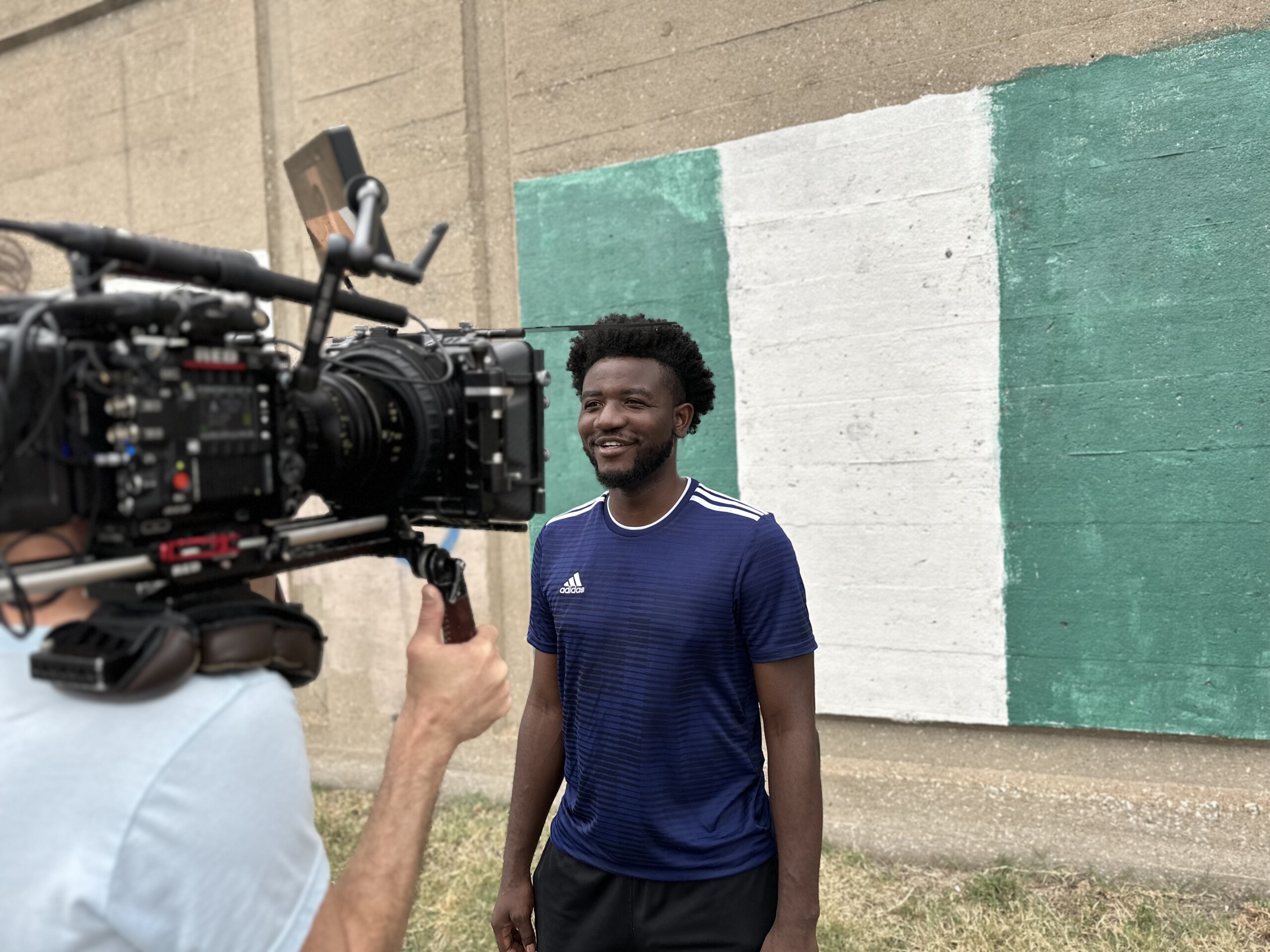
Despite their differences, that glimpse of normalcy among the boys at Global FC training sessions struck Gloer, who at first found it intimidating to walk up to a large group of strangers who all knew each other and spoke languages he couldn’t understand. Especially with the goal of following them around with a camera.
Things warmed up when one of the boys got cheeky.
“I asked his name, and he told me some professional soccer player’s name, but I didn’t know soccer. I didn’t know for months that he was messing with me,” Gloer recalls. “Two months later, I realized it and that I had been accepted immediately.”
Gloer explains that the team is hard on one another in this way—fighting, yelling, making fun of each other—but that’s simply because they’re kids and, really, it’s out of love.
After all, kids from anywhere in the world are still kids at the end of the day.
“Just because this one doesn’t have a cellphone plan doesn’t mean that this one doesn’t. You also have to separate the fact that they’re late or didn’t show up from the idea that it’s always because they don’t have a car, their dad has work, or whatever. It could also be because they’re teenage boys, not just refugees,” Gloer adds.
Pay to play. Or don’t
On the heels of the 2026 World Cup, the documentary couldn’t have arrived at a better time. Not only in the spirit of soccer itself, but thanks to the discourse it sparked in the States.
When the US Men’s National Team exited in the Round of 16 (a 4-1 loss to Belgium), American fans questioned whether the States’ current player development system could actually produce a winning squad. And so, an X post from beloved American soccer pundit Alexi Lalas resurfaced from the depths of 2024.

Screenshot from X
Contrary to the millions who apparently benefit from American pay-to-play, a story from The Athletic showed that even then-US Soccer Sporting Director Matt Crocker believed that the number of male top-50 players produced on the US side… is zero.
“We’re talking about kids who don’t have cars, don’t have cellphone plans, have mismatched shoes—holes in their shoes—and one soccer ball between all of them,” Gloer explains in contrast. “It’s kind of a big deal to be going up against, you know, a white suburbanite who has practice cleats, indoor cleats, outdoor cleats, warmups, three coaches, and parents that give you rides.”
In the same way that there’s something to be said of prioritizing the accessible grassroots version of American soccer, the same can be said of showing (as Chasing Goals does) what it means not only in a competitive sense, but on a human level—with athletes who more than deserve the chance to prove themselves.

Courtesy of Wavelength Productions
“The reality of the industry is that, unless you have that sort of A-list glitz and glamor and star power in your story, it’s hard to get funding,” says Executive Producer Jon Weidman. “This is not like Welcome to Wrexham, this is not like the Lionel Messi documentary. This is not the kind of project where the industry is like, as soon as they hear one of the names involved, there’s going to be a bidding war.”
Weidman continues: “We need to elevate these types of stories more, and to recognize that there is something beyond the pay-to-play travel club soccer culture happening here and all over Kansas City.”
Gloer claims that soccer is by no means a sport that teaches survival skills. And yet, there was a moment in which one of the Global players told him, “If he wasn’t playing, he would be dead.”
“The rest of their lives, they’re the underdog who probably isn’t gonna win,” Gloer says. “But when they play soccer, they don’t feel the pressure. On the field, they feel free. They’re the winners.”