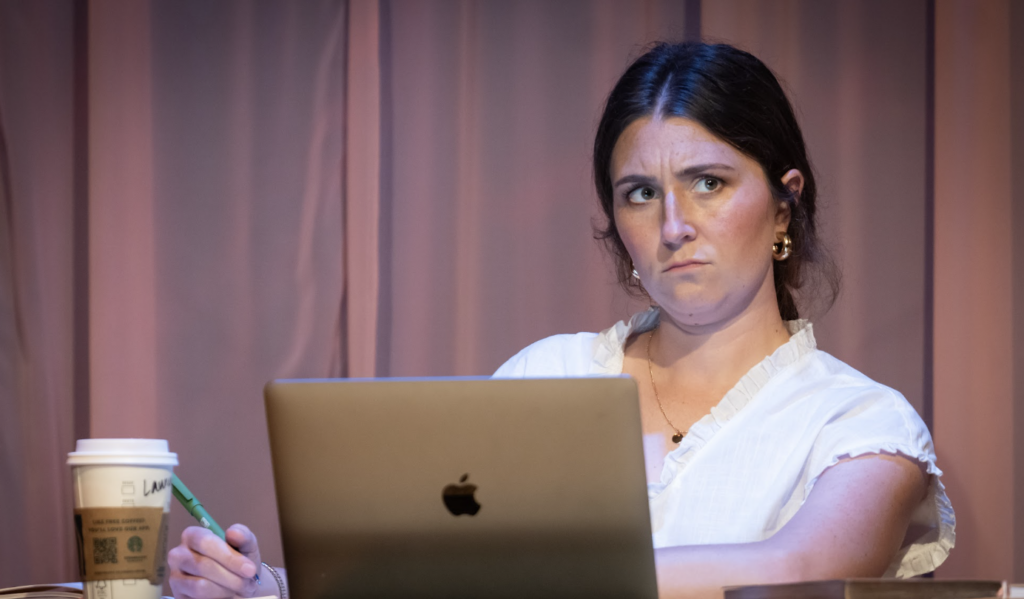
The touring company of The Who’s Tommy took Kansas City on an “Amazing Journey”
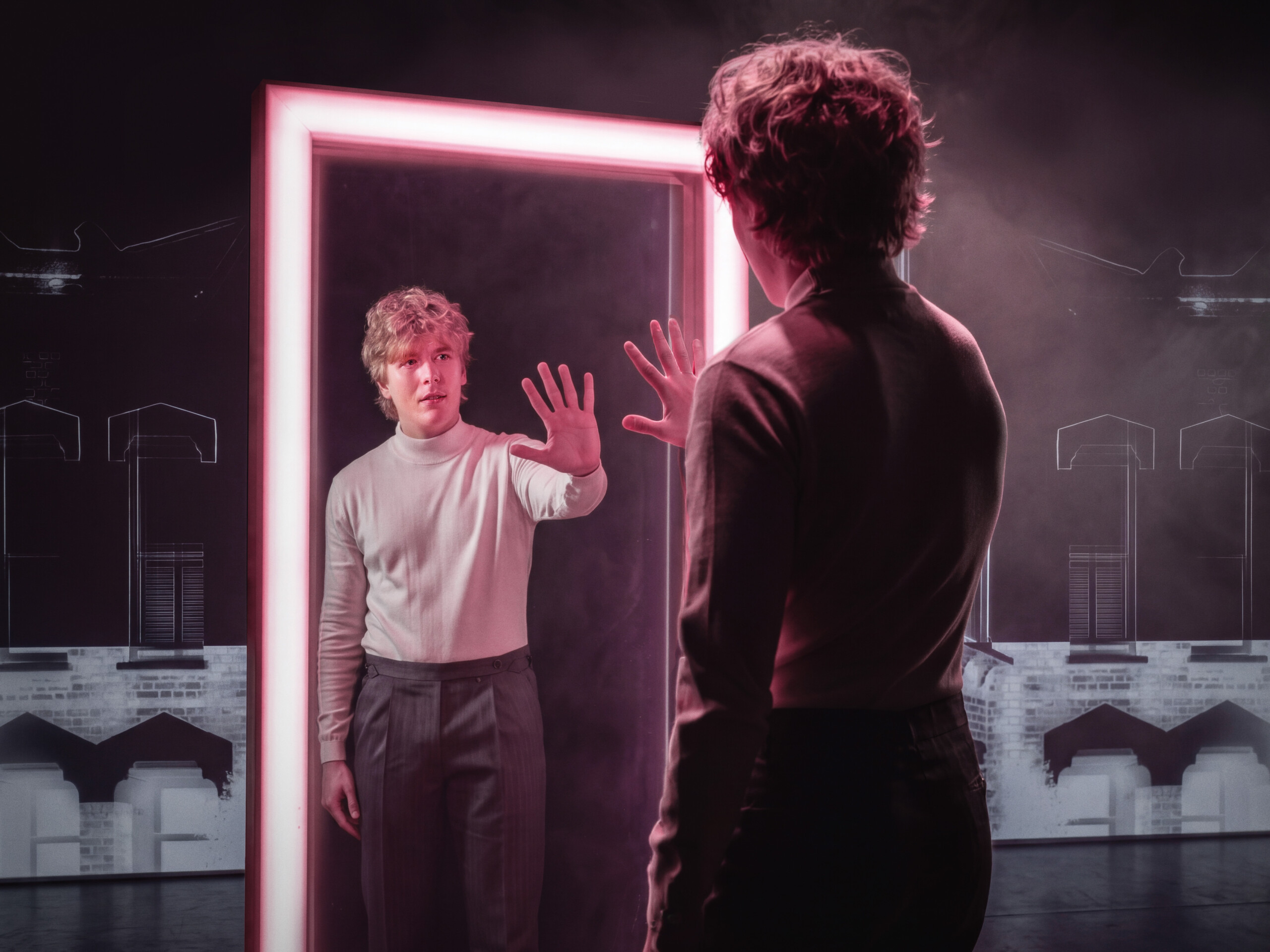
Collin Matthew Flanagan as Tommy // Photo by Evan Zimmerman
The Who is considered to be one of the most influential rock bands of the 20th century. Formed in London in 1964, they are known to have contributed a plethora of developments to the genre, such as the use of synthesizers, John Entwistle’s lead-style of bass, Pete Townshend’s power chord technique on the guitar, and the rock opera. The Who’s Tommy was released in 1969, often credited as the first known album to be marketed and billed as a rock opera.
The album was a commercial smash hit, leading Townshend to write the music and lyrics for his own musical production, as well as a book he wrote with Des McAnuff—known for directing musicals such as Big Fish and Jersey Boys.
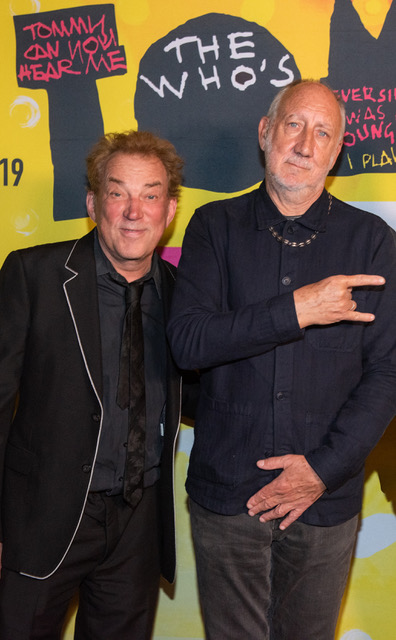
Des McAnuff and Peter Townshend // Photo by Doug Gifford
McAnuff directed the original San Diego premiere on July 1, 1992, at the La Jolla Playhouse, with its Broadway debut arriving less than a year later. While the rock album, 1975 film, 1992 stage production, and tie-in book differ in many ways, they follow the same themes: trauma and survival, spiritual isolation and awakening, and the critique of idolization and commercialism.
The touring company of The Who’s Tommy, under McAnuff’s direction again, made a stop in Kansas City at the Midway Trust Center on Oct. 14. The story follows Tommy Walker (Little Tommy played by Mari Grossmann, older Tommy played by Collin Matthew Flanagan) who is left traumatized at four years old after witnessing his father, Captain Walker (Zach Fogel), who is assumed dead after becoming a prisoner to the Nazis in World War II, kill Mrs. Walker’s (Mia Bergstrom) new partner, a man who had become like a stepfather to the young boy. Tommy is in a walking comatose state–blind, deaf, and mute to the world around him. After enduring a myriad of tests by doctors, several rounds of bullying from the local children and his own cousin Kevin (Kyle McFalls), and his father almost paying a sex worker (Kris Lyons) to give his son drugs, the only thing that Tommy seems to connect with is the pinball machine at the local youth club. The other kids at the club are shocked to see him interact with anything, and even more shocked to see how incredibly skilled he is. One could even say he’s an absolute “Pinball Wizard.”
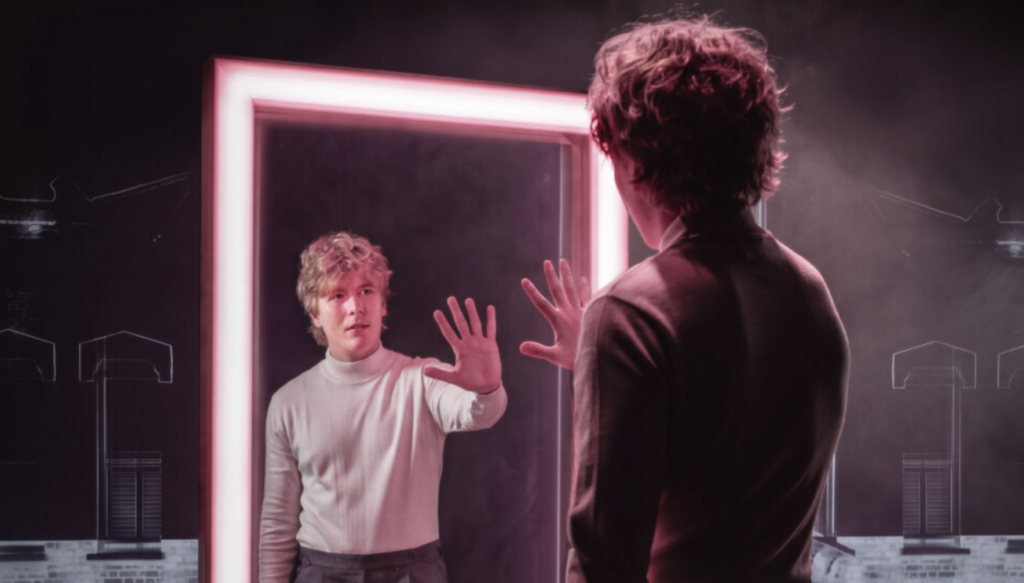
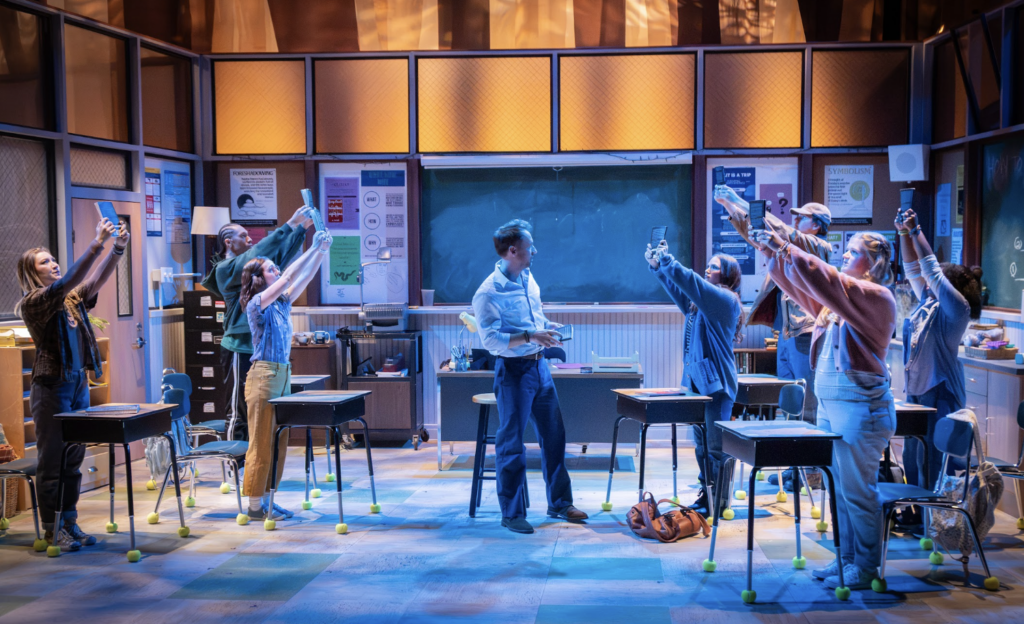
The cast, crew, band, and production completely blew me away. During the overture, the performers were sandwiched between two projection screens, with the downstage one just opaque enough to see Peter Nigrini’s designs while still seeing the performers behind it. A fantastic part of the opening sequence was when Captain Walker and his fellow soldiers parachuted into Nazi Germany, and they timed it perfectly to align with their stylized silhouettes on that front screen, better depicting the action. Scenic designer David Korins’s set pieces were also a delight to see, ranging from a real couch and dining table set to a series of practical mirrors and doorways, adding dimension and excitement to the relatively small stage. As a former theater kid, I also have to give props–no pun intended–to the stage crew for changing the sets so effortlessly. We love you, stage crew!
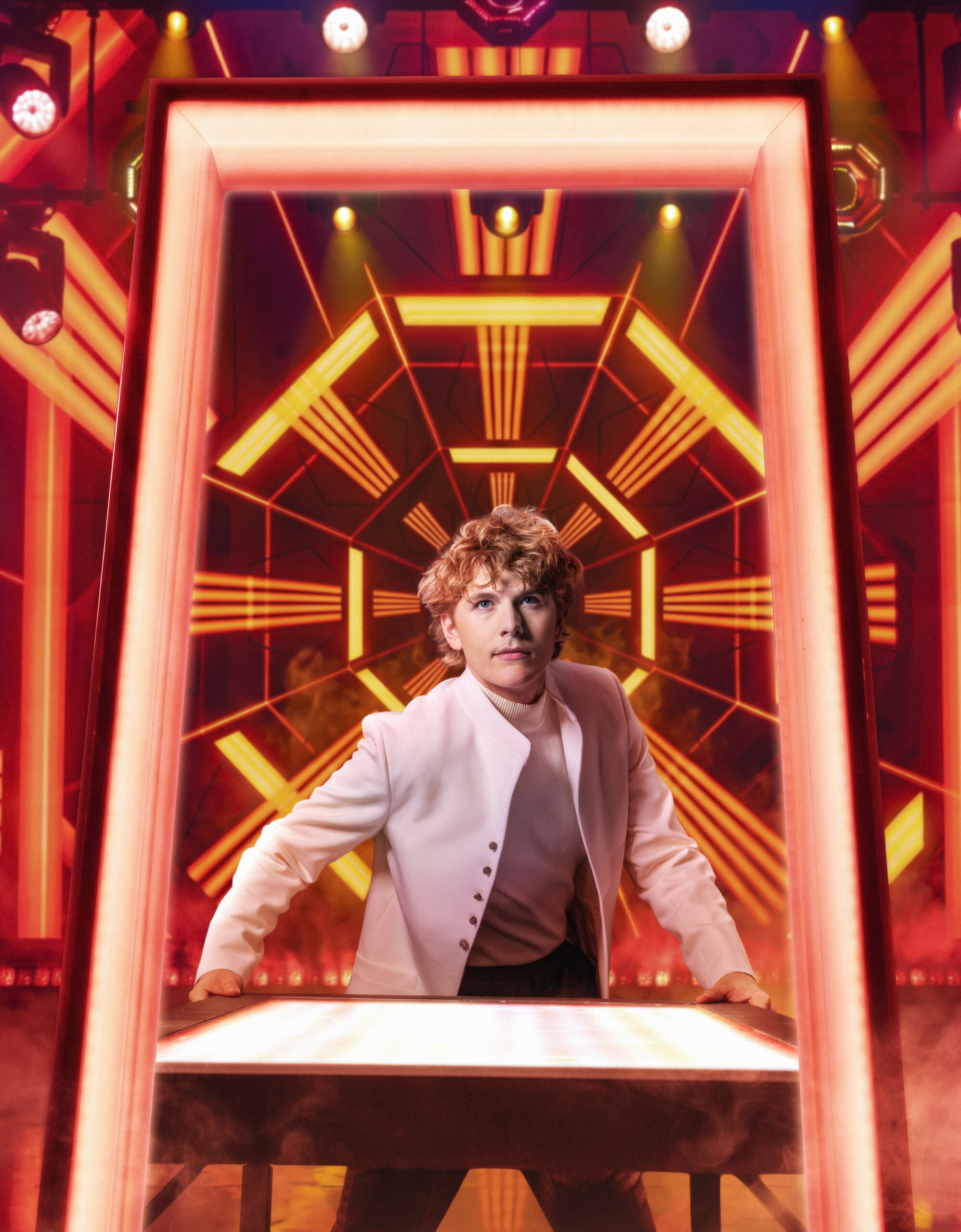
Flanagan as Tommy at the pinball machine // Photo by Evan Zimmerman
Flanagan played an excellent older Tommy, with a performance that ranged from void to full of emotion and passion. He was completely captivating, especially in the second act, when Tommy finally breaks free of the psychological hold he is under. I also have to give kudos to Grossmann, who spent most of her time onstage playing young Tommy as still as a statue, mindlessly following other characters like an automaton. There is so much skill in conveying somebody who is physically and mentally checked out due to the trauma they endured versus somebody who’s just staring off into space because that’s what the direction told them to do.
Another stand-out actor for me was Bergstrom as one of the only “named” female characters (I put this in quotes because we never actually learn her first name; we only know the name tied to her husband). Her singing impressed me most, as it danced from a high soprano register to a lower alto when the harmony demanded it, and it was gorgeous on every note. Another impressive performance for me was Peyton Cassity as Tommy’s uncle Ernie, whose voice had that almost whiny, raspy quality that Roger Daltrey and many classic rock lead vocals have. I could tell he did his homework and trained to replicate that 70s sound, and I really appreciated it for the one song he soloed.
This musical was an absolute blast from start to finish. It had several jaw-dropping moments and some incredibly somber ones, too. With no intermission, the 100-minute-long show gripped me from the beginning and did not let go until the last note of “Listening to You,” and the entire audience, ranging from those closer to my own age to those who may have been listening to The Who since their genesis, gave a standing ovation of roaring applause.
While this was the only current stop in Missouri, more cities may be announced in the future. Stay updated with the touring company, and don’t hesitate to grab a ticket to witness this “Amazing Journey” if they return to Kansas City.