Letter from the Editor: ‘Live, Laugh, Lexpro’ and the TikTok Tarot Rebellion

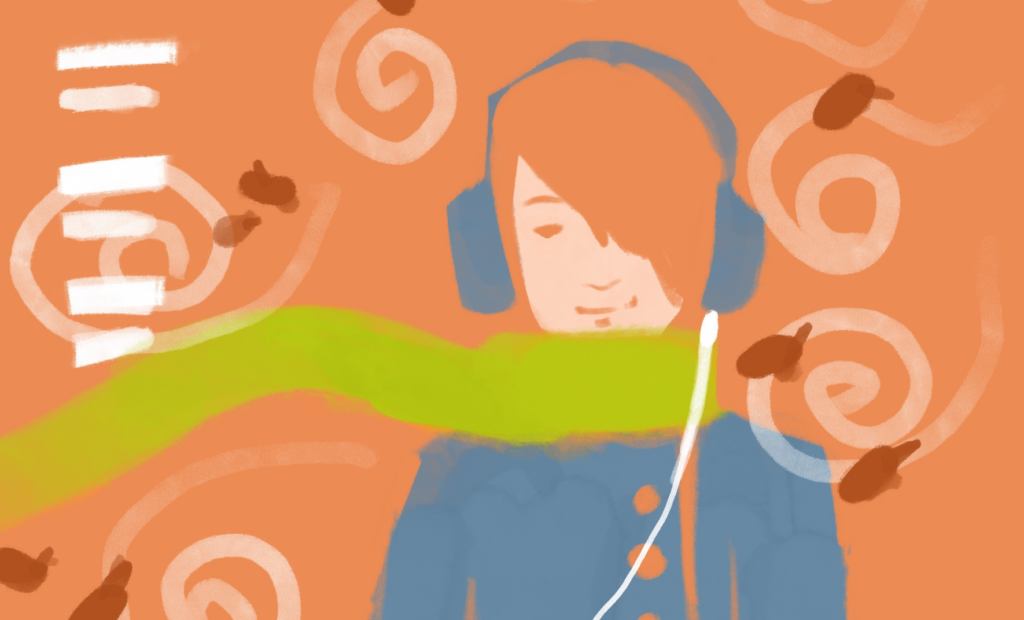
Art by Teddy Rosen
[This ‘Letter from the Editor’ is the introduction to November’s print issue of The Pitch—found across KC and Lawrence starting today. Click below to read.]

Greetings, dearest readers, and welcome to the November print issue of The Pitch.
We’re doing a bit of a tonal pivot this issue—and for the next few—as we focus less on the normal holiday traditions and put collective energy toward dismantling the ruling autocracy class and deporting our oppressors to the Gulag.
Thanksgiving is problematic, but Nuremberg 2 is a treat for the whole family! Pass it on.
Before we get into storming the castle and seizing the memes of production, we thought the November issue could angle toward the cozier side of prepping for assorted darkness to come. Mental health is already a battlefield this time of year. How much worse could it possibly get? [Don’t answer, just buy a SAD therapy lamp.] Forget putting your own oxygen mask on first. We’re looking at how to triumph over the rest of fall without falling apart. I’d like to point to the 1982 feature film Poltergeist as an example of the self-care we’re advocating.
Yes, this is the best example I could think of—I’m doing fine, I promise.
In Poltergeist, a family is overtaken by evil spirits in their home, and their daughter, Carol Anne, is sucked into a portal. This is, obviously, not the best. Nor are the assorted ghosts flying around the house, making life quite unpleasant for the living.
Watching this as a kid, there’s a moment that always stuck out to me as nonsensical, which in adulthood has evolved into a sequence I understand all too well. The family matriarch has been doing laundry and handing out clean sheets and such to the family members still not portal-sucked. She even knocks on her daughter’s door to see if she can drop off towels and pillowcases. On opening the door, there’s a screaming whirlwind of evil that knocks her right back out.
Why the hell was she trying to drop off sheets for ghosts? I didn’t get it. Why does this family stay in the house, amid a simply unacceptable level of paranormal fuckery? I didn’t get it. In adulthood, I get it. Someone still needs to do the laundry. Everyone needs to stay together, even—or especially— when they get separated. At the worst of the worst, perhaps the most powerful rebellion is to show pure evil that you won’t surrender. Maybe how you bump back against the things that go bump in the night… is to keep your own sanity.
There’s been a recent run of excellent TV shows (especially Below on Netflix) about how normal people find themselves sharing space with terror and oppression beyond imagination. Culturally, we seem transfixed on how life carries on when the inexplicable insists on interrupting. This is never shown as keeping your head down, turning a blind eye, or trying to pretend that none of this is happening. It’s about fighting back against monsters by refusing to become a monster. As Abby Olcese wrote in a recent thinkpiece:
“Most horror storytelling uses villains and beasts as metaphors for existential fears. Widow’s Bay uses its haunted hotels, sea hags, and killer clowns to explore something more mundane but equally profound: How to live alongside forces we don’t understand.”
It feels prescient, perhaps even permanent, to know that The Bad will always find a place in our lives. Maybe this moves the goalposts in a manner that is less than ideal, but is more realistic than hoping for a day where nothing hurts and the world is beautiful forever. Again, it isn’t giving up. It’s picking your battles. It’s picking when and how.
And it is making sure that you survive.
“Live, laugh, Lexapro” is our motto right now in the newsroom. I write this ahead of the Midterm elections—which I’m sure will go great and meganormal— and the only thing keeping us from turning in copy written in the Zodiac Killer’s crypto-language is the time we take to take care of each other.
KCRep’s production of John Proctor is the Villain—covered on page 10—looks at the Salem witch trials through the eyes of teenage girls in the era of #MeToo. The play, which deals with the human (and American) pursuit of mob justice via gossip, presents an inescapable problem as well as an occasional solution It’s about not knowing who the monsters are now, and how messy sorting tiers of terrible can spiral. Luckily, the monsters are pretty easy to spot these days. At least for most of us. I write this the day after Kansas Republican State Senator Ty Masterson accused his female Democratic election opponent of engaging in demonic, Satanist pacts— declaring to a church of supporters that she practices “witchcraft” because of “spells” cast on social media to support her campaign. I’d argue that Tarot TikTok Girlies have done more to help the average Kansas voter in the last few years, but sure, the reason gas prices are high probably involves Goody Proctor’s liaisons with the devil.
As you can tell, we can’t leave the terrifying creatures bound to our October issue. They’re sticking with us, and in turn… we shall stick it to them.
Pitch in and we’ll make it through,