This is Buzz made a masterclass of all the screens and surfaces at Atlas9

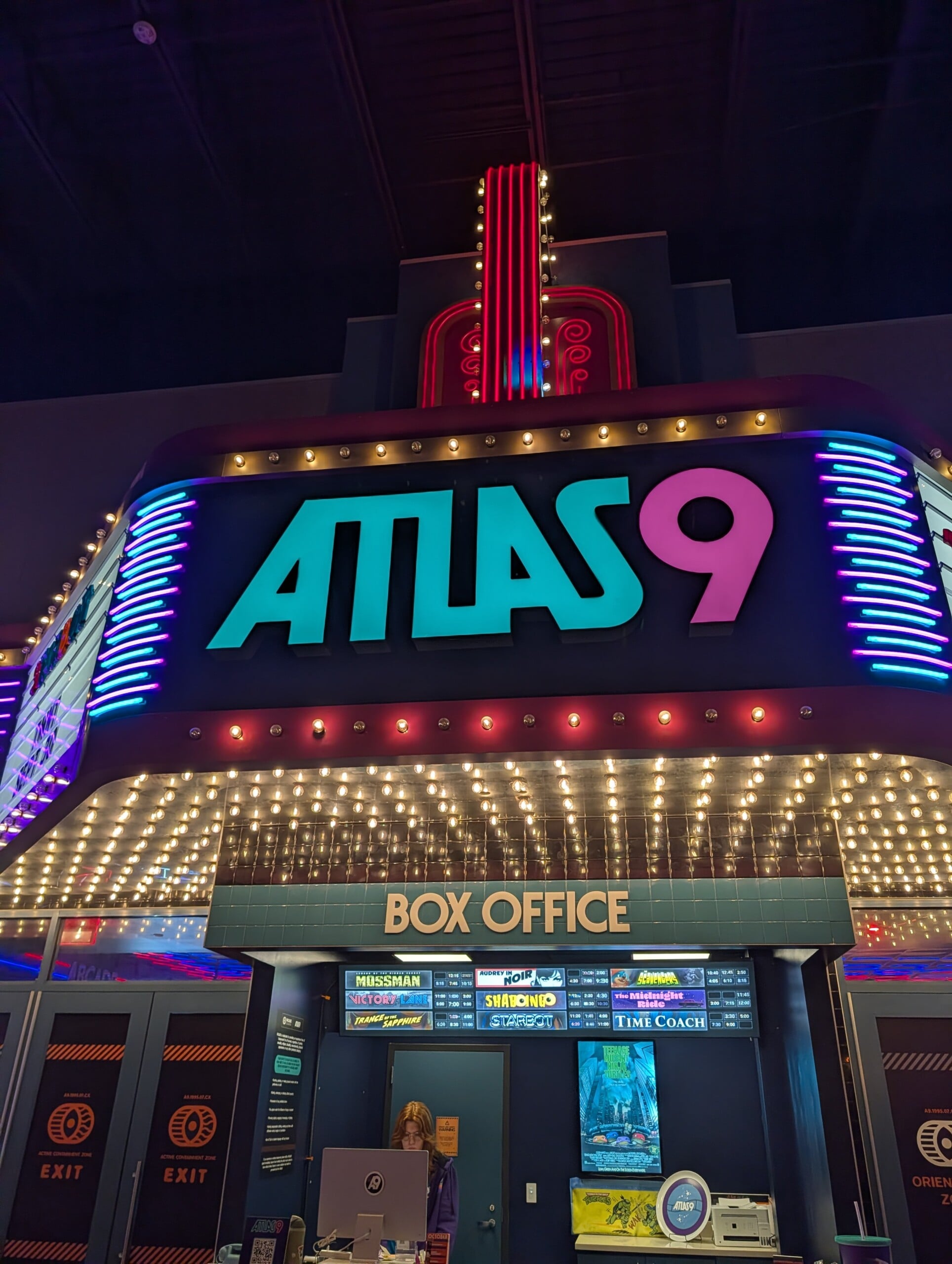
The vibe at Atlas9 is always immersive, but on Sept. 24 it was a different brand.
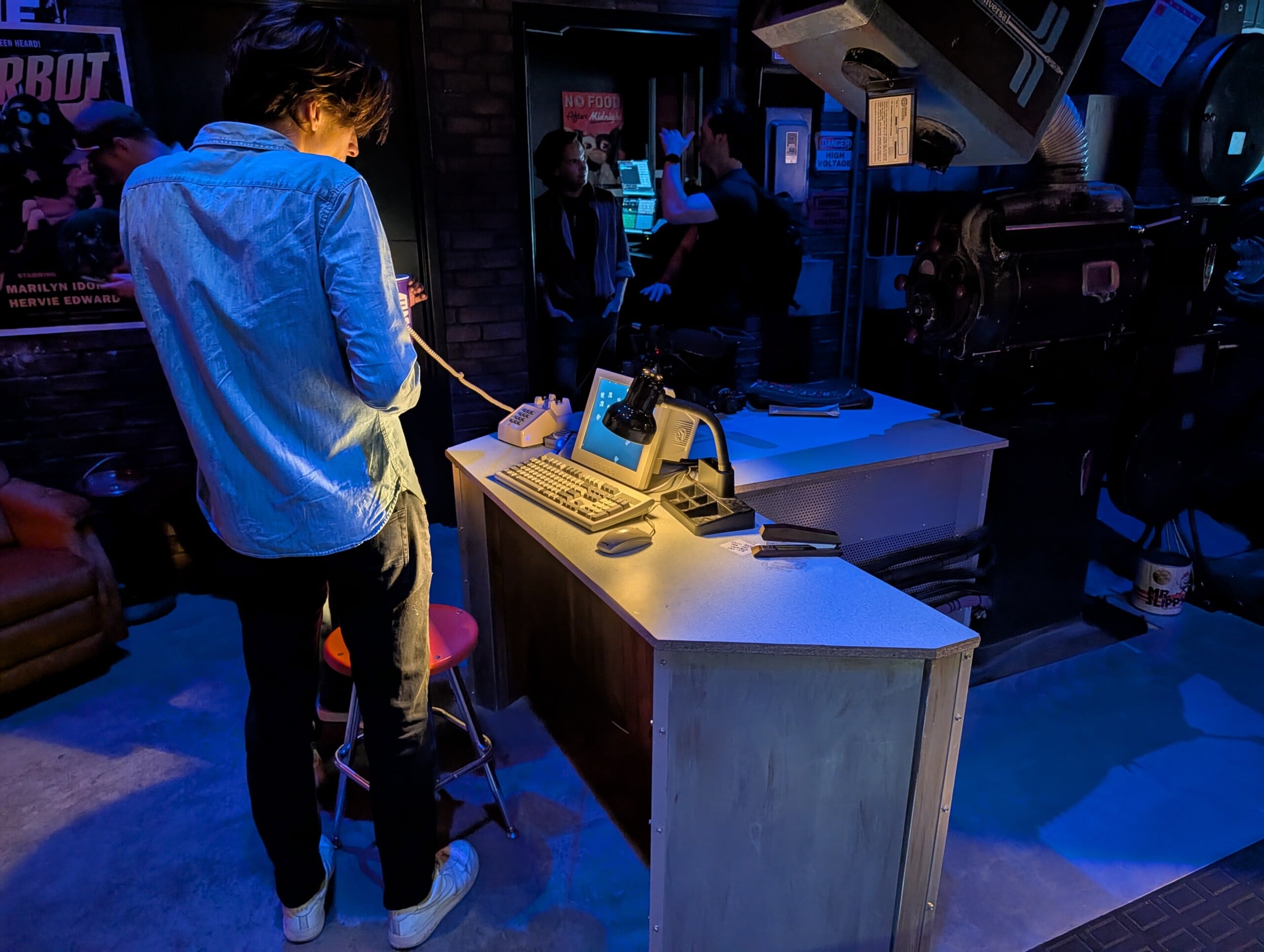
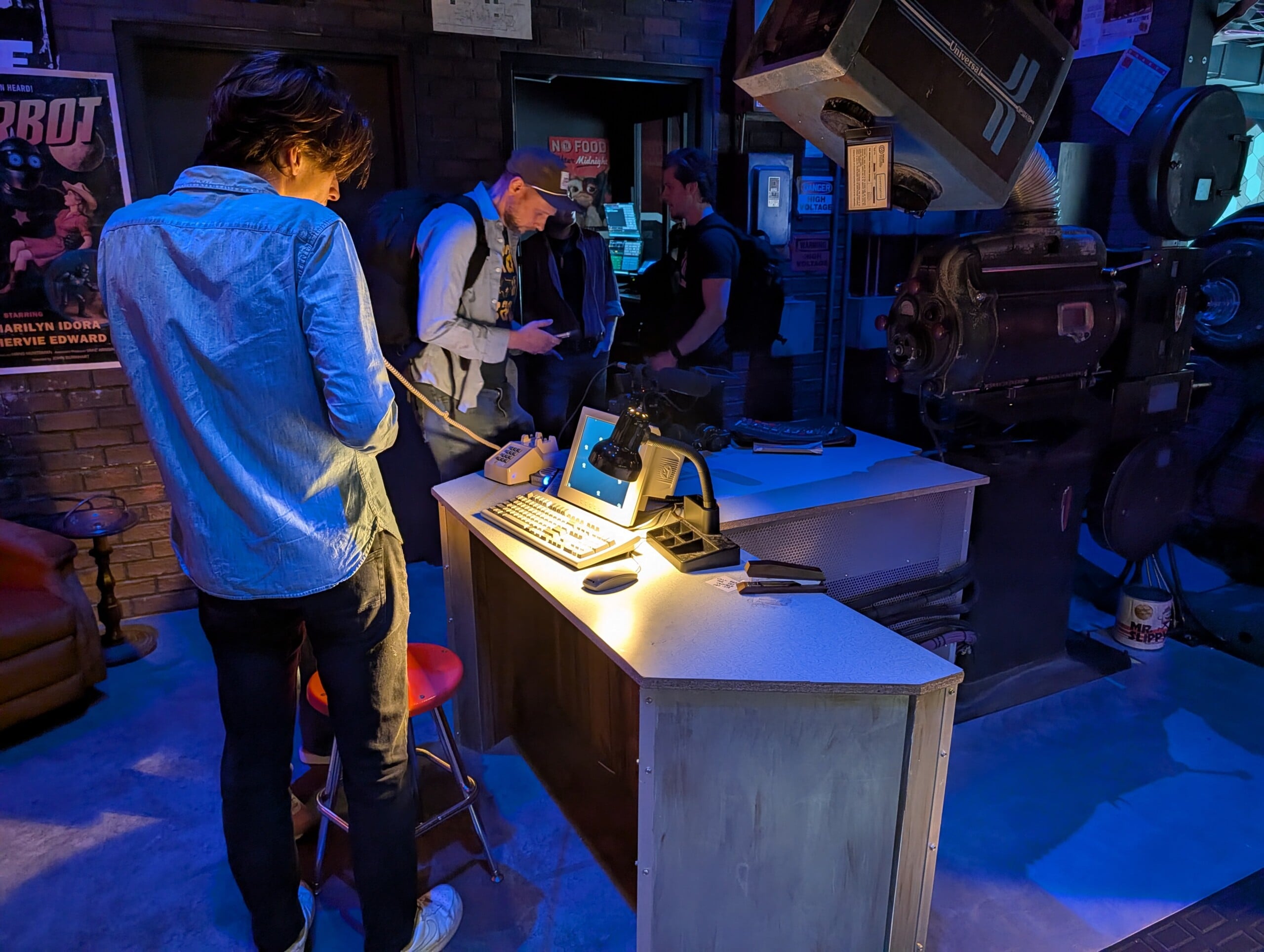
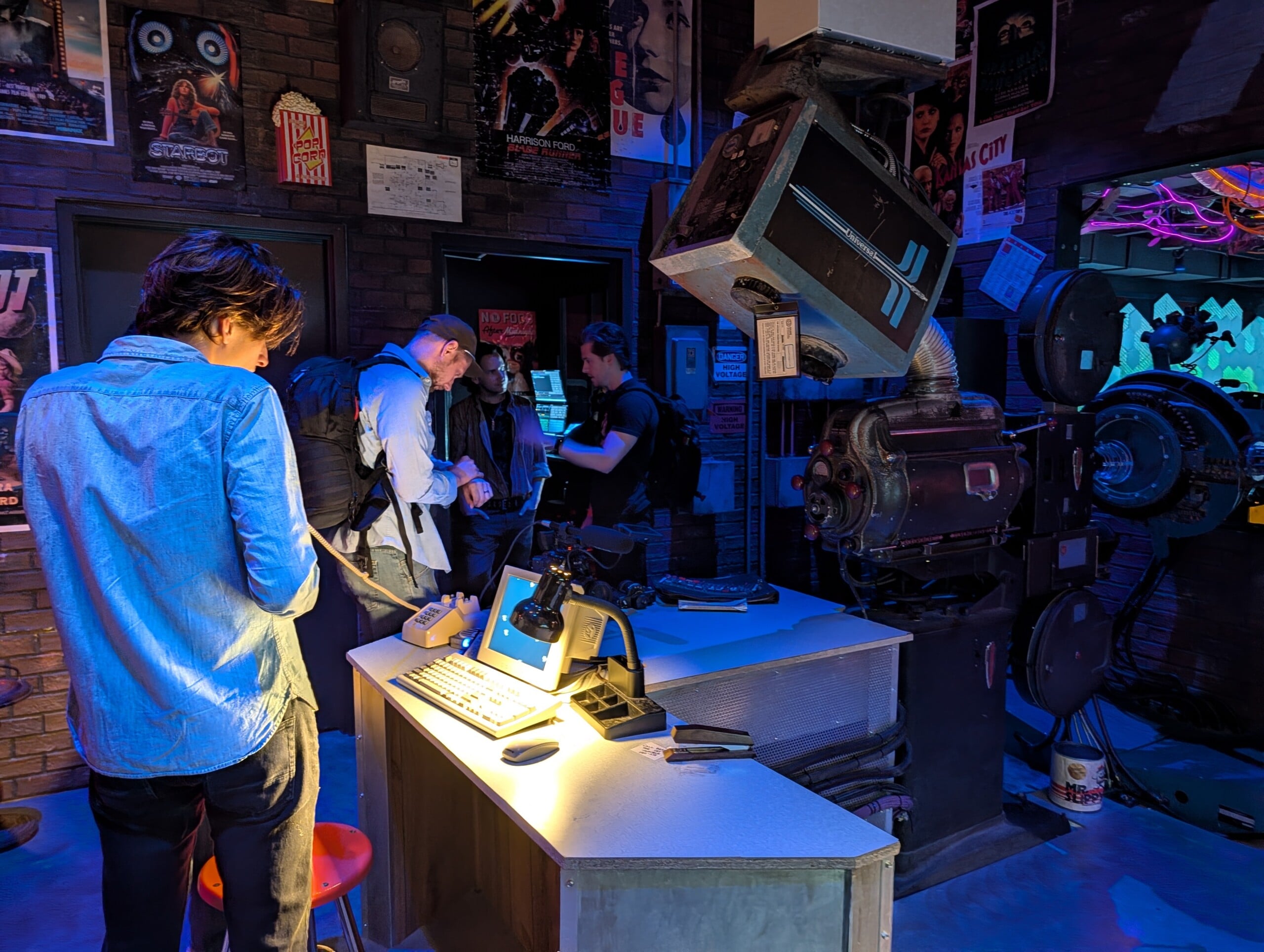
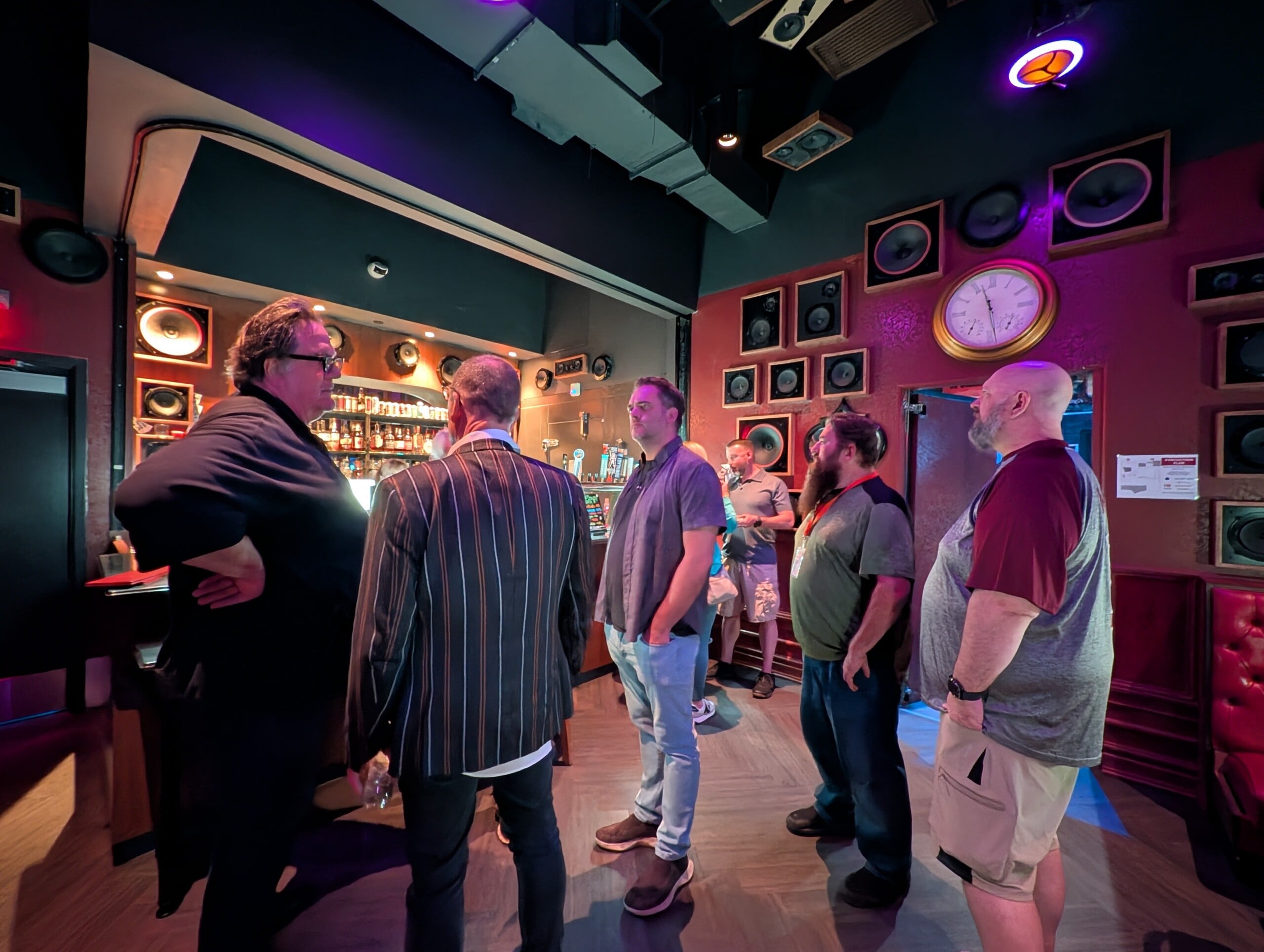
Visitors to the space experienced slightly different displays than the playful, colorful interactive art space usually contains.
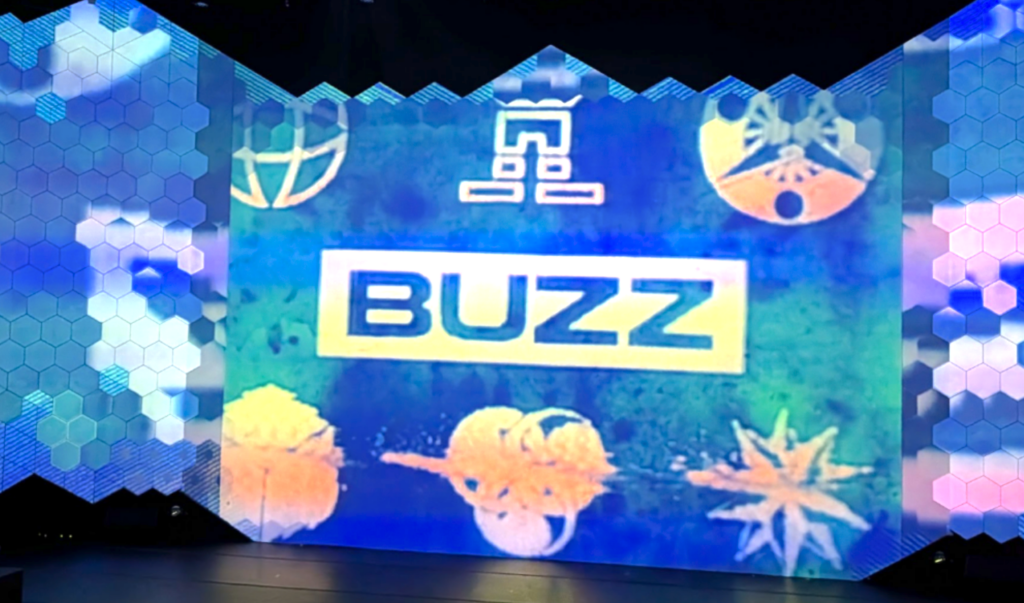
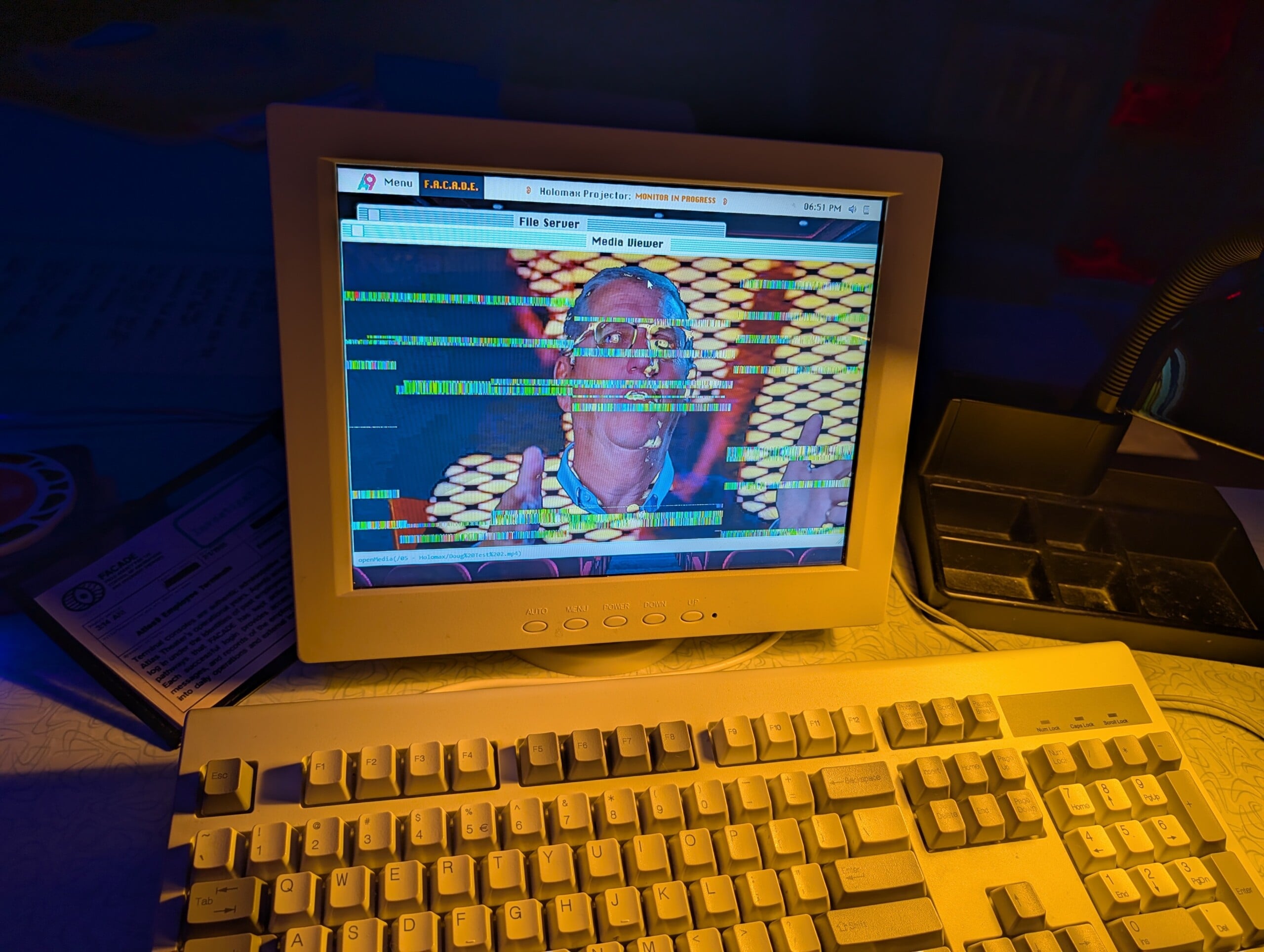
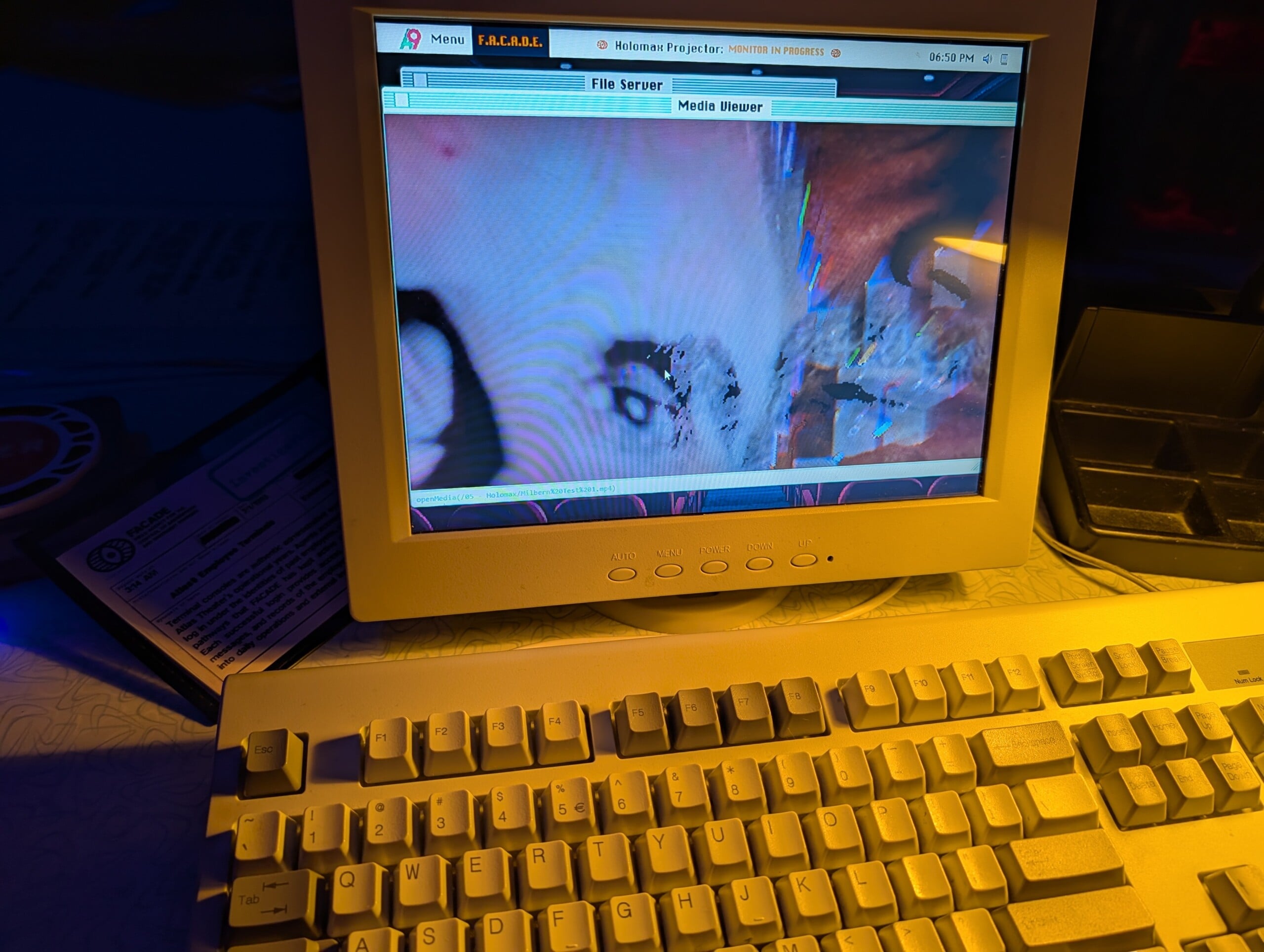
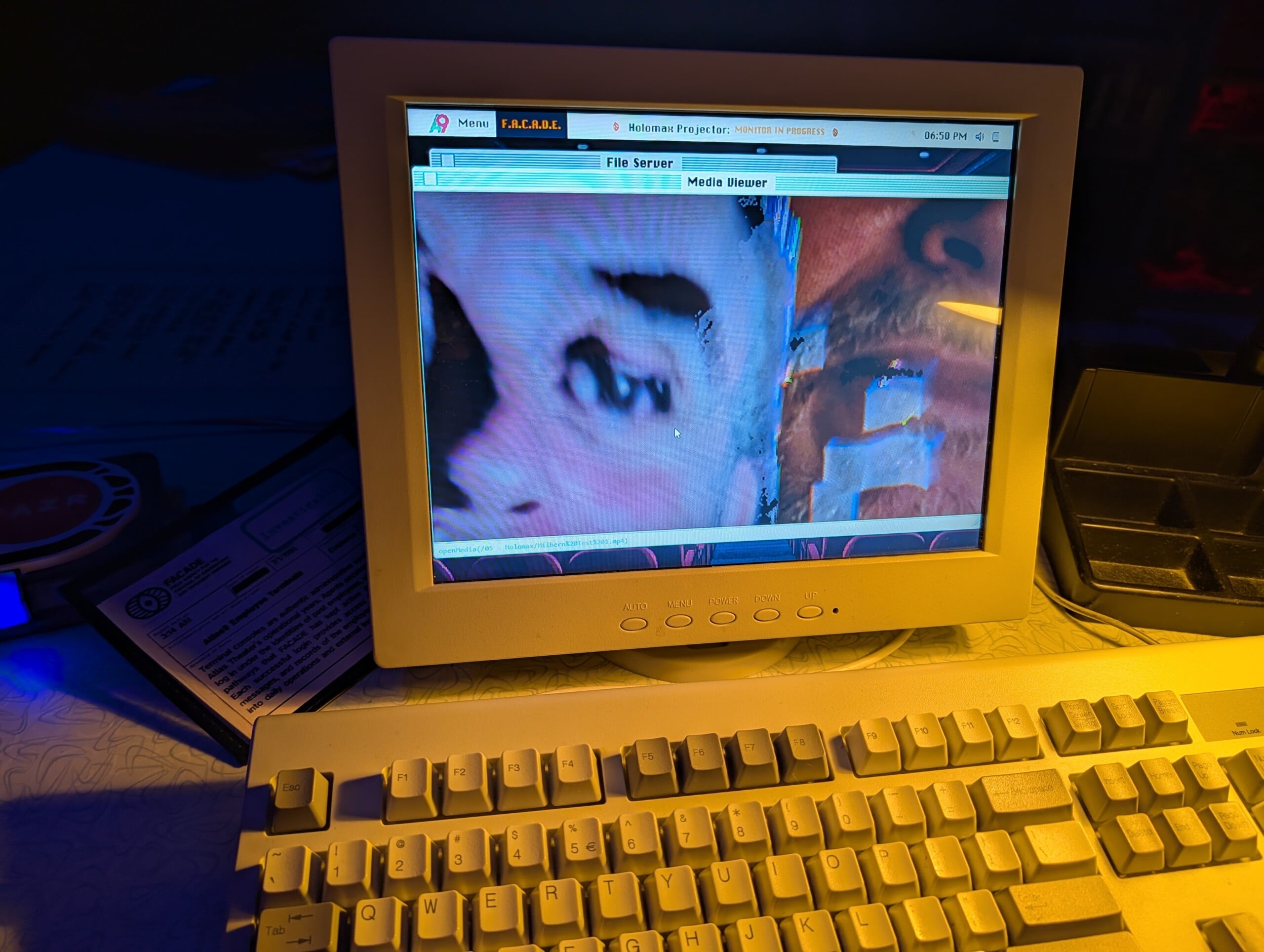
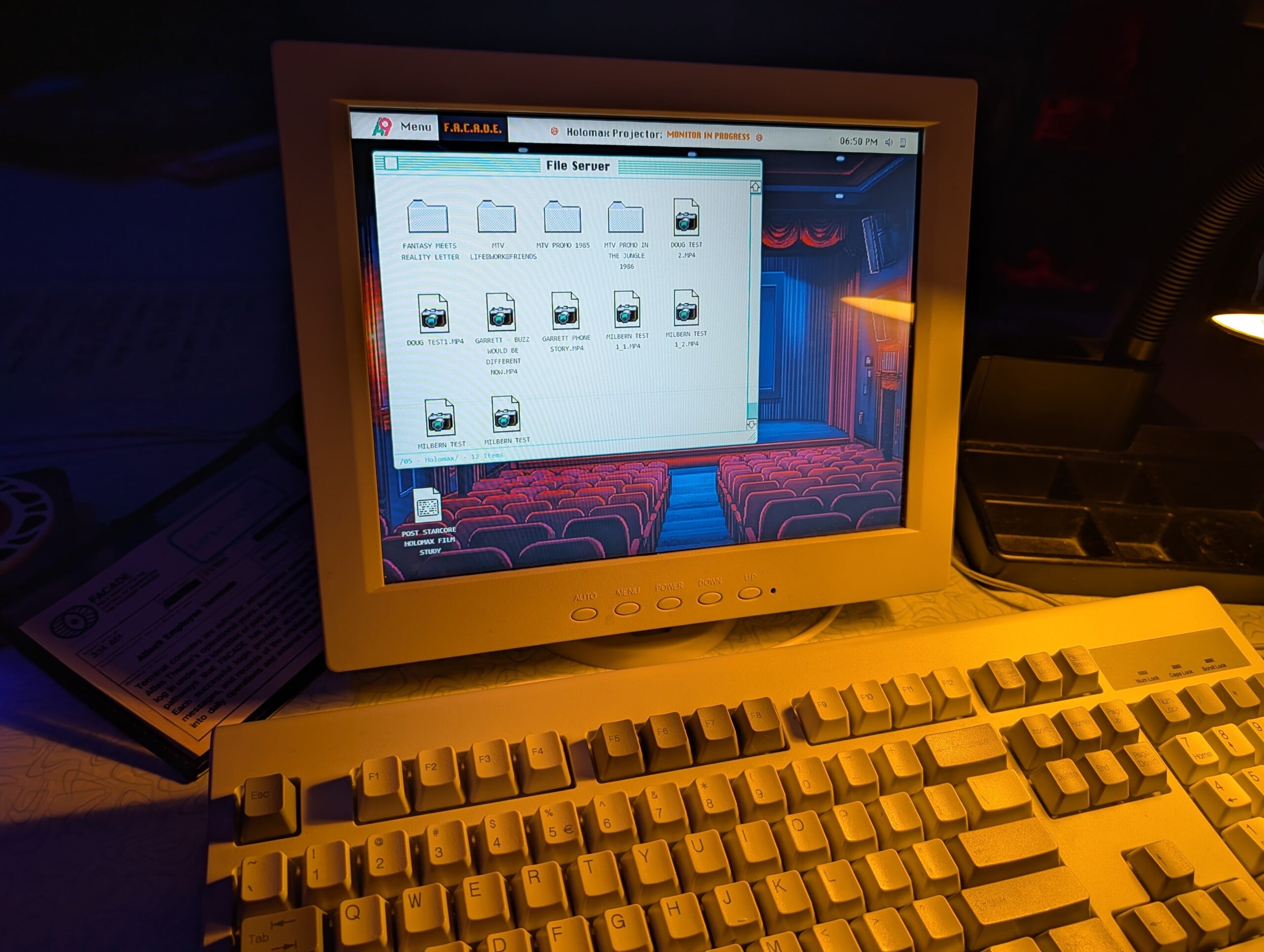
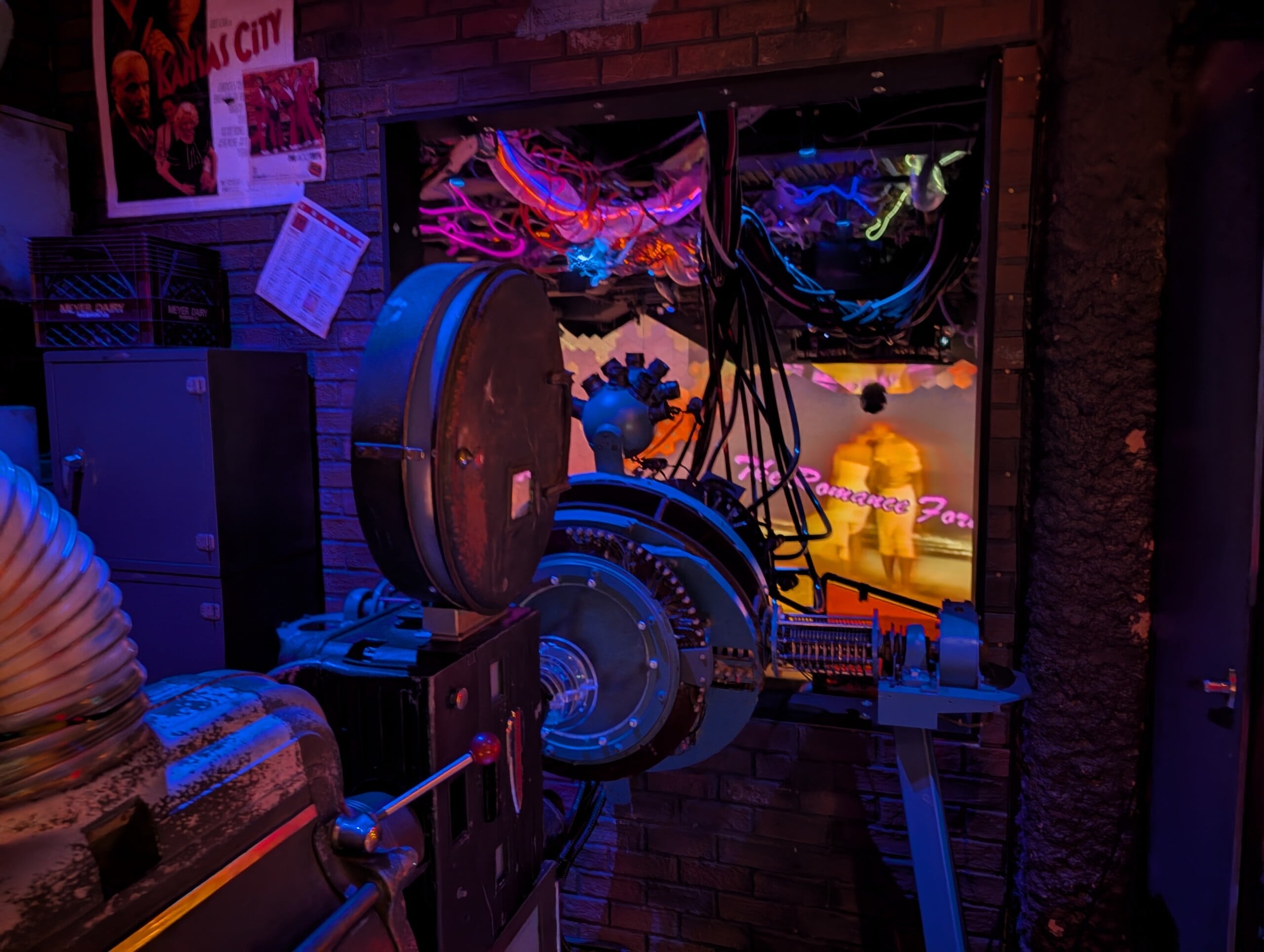
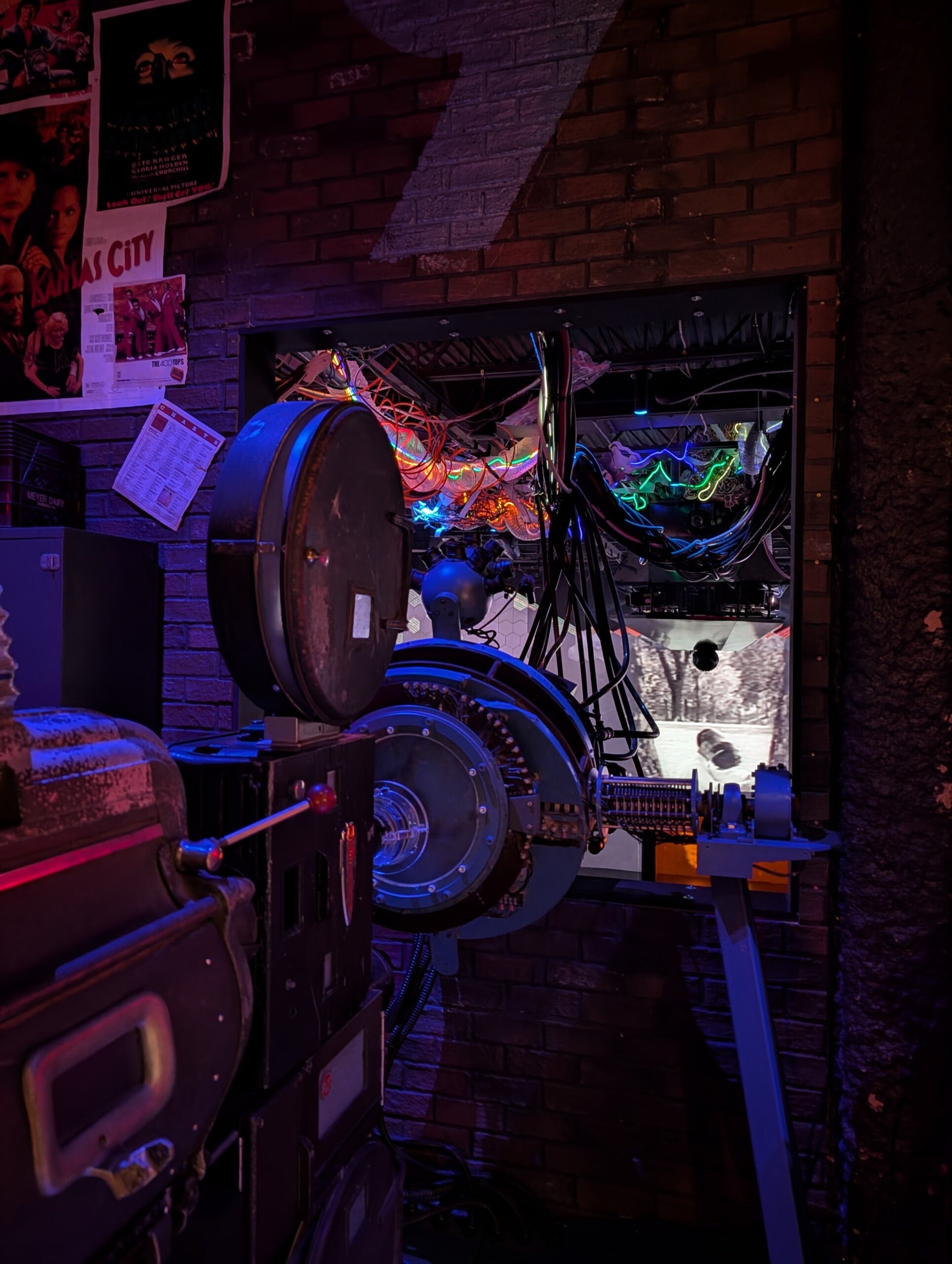
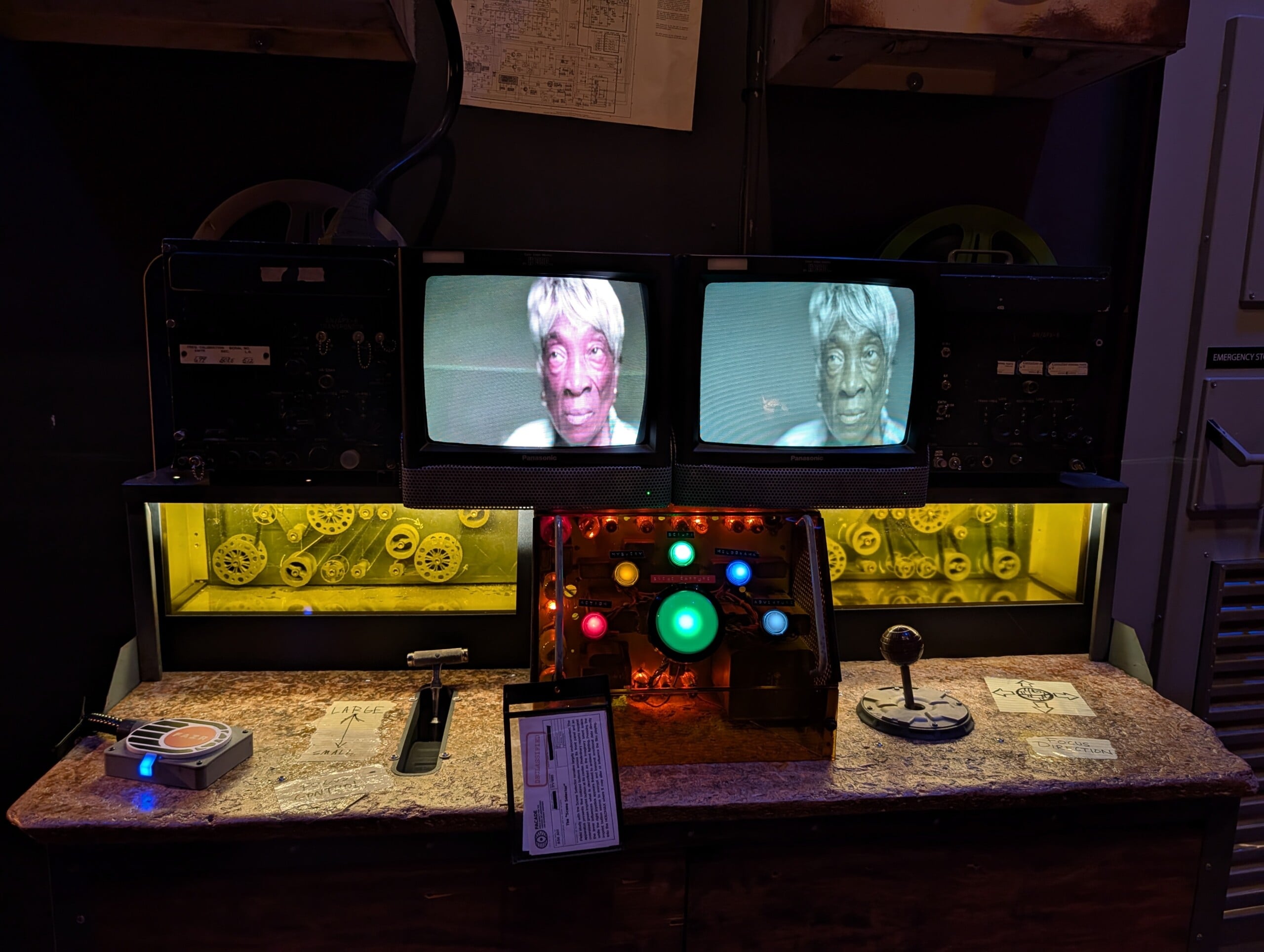
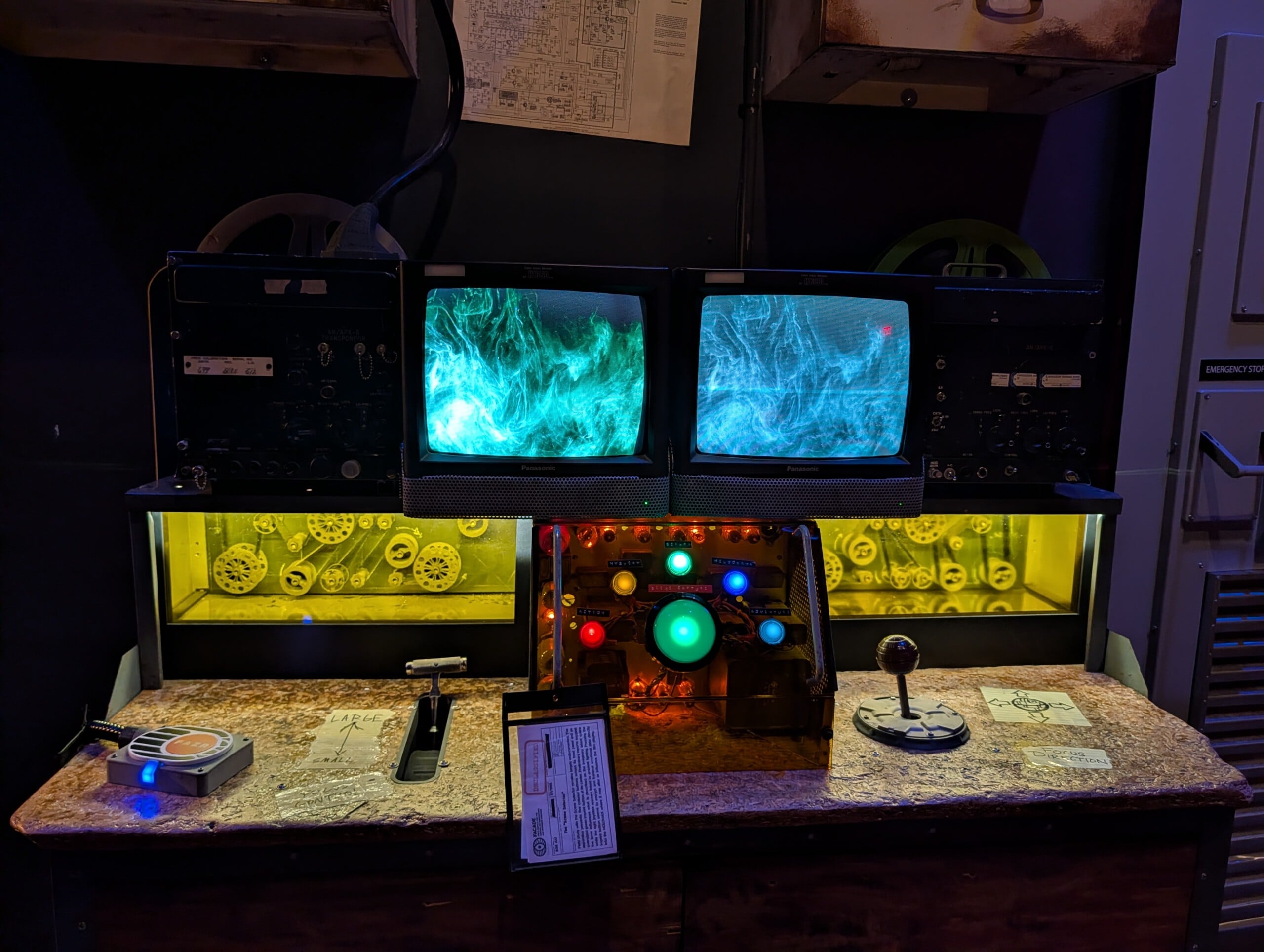
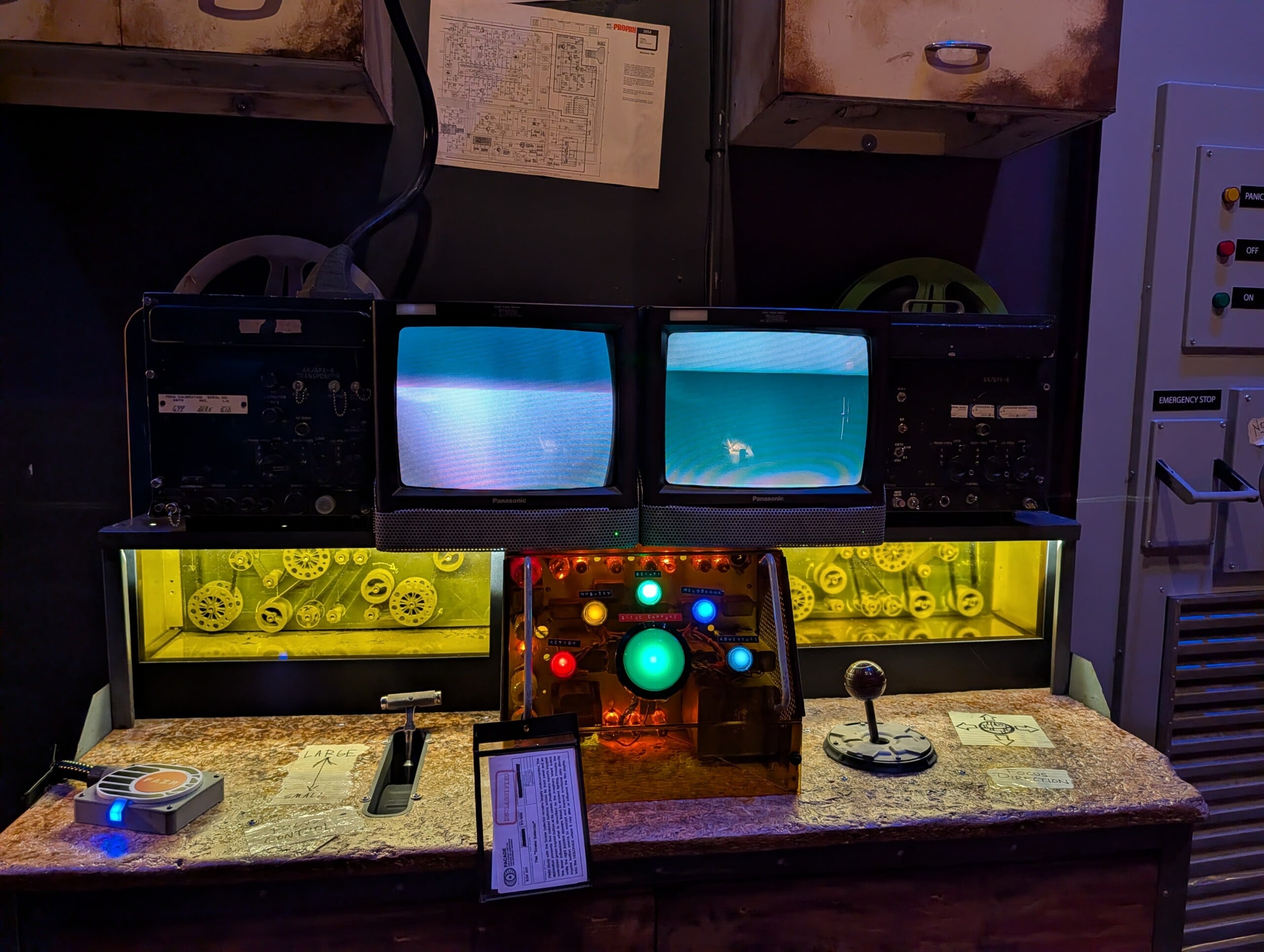
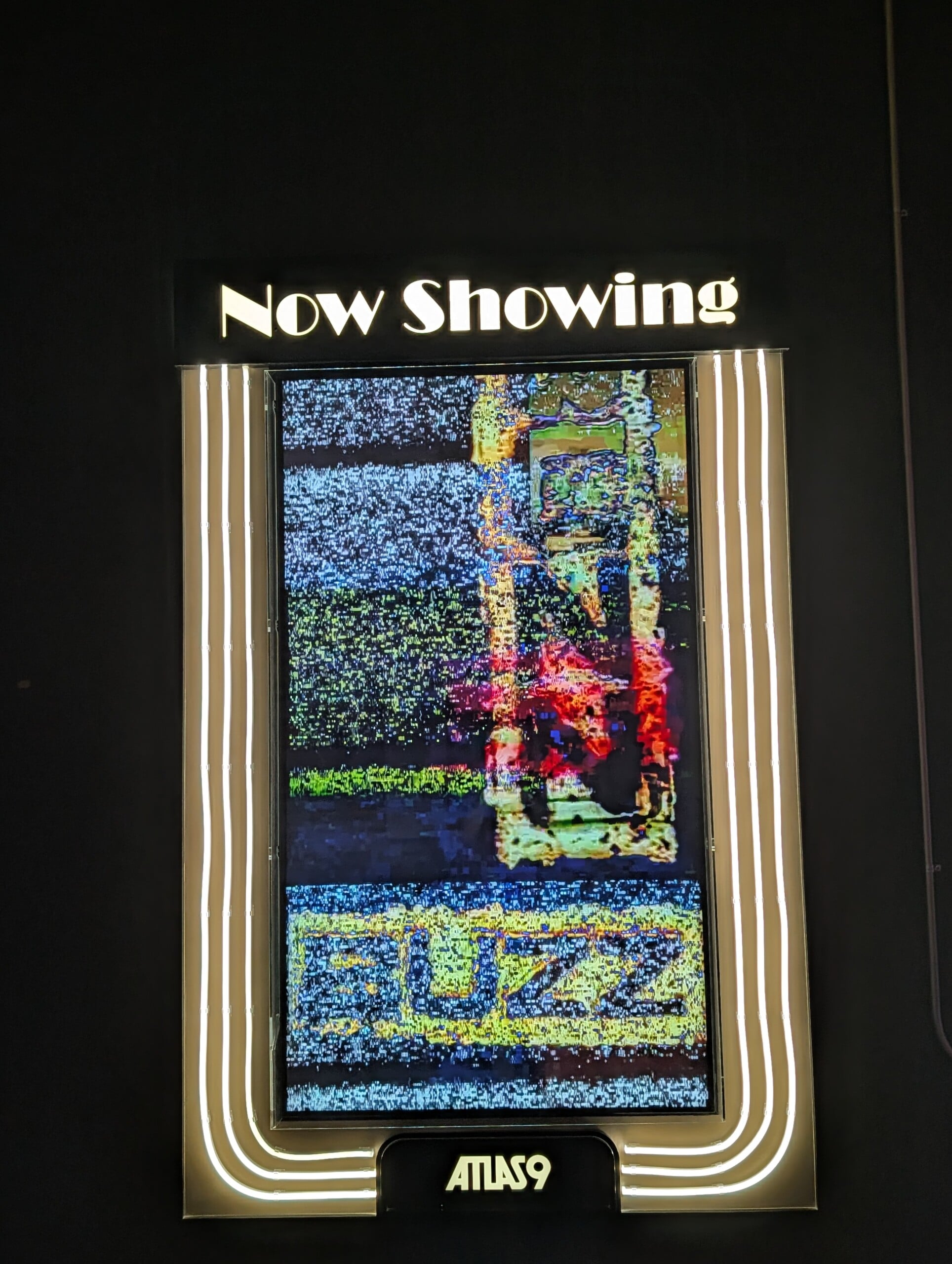
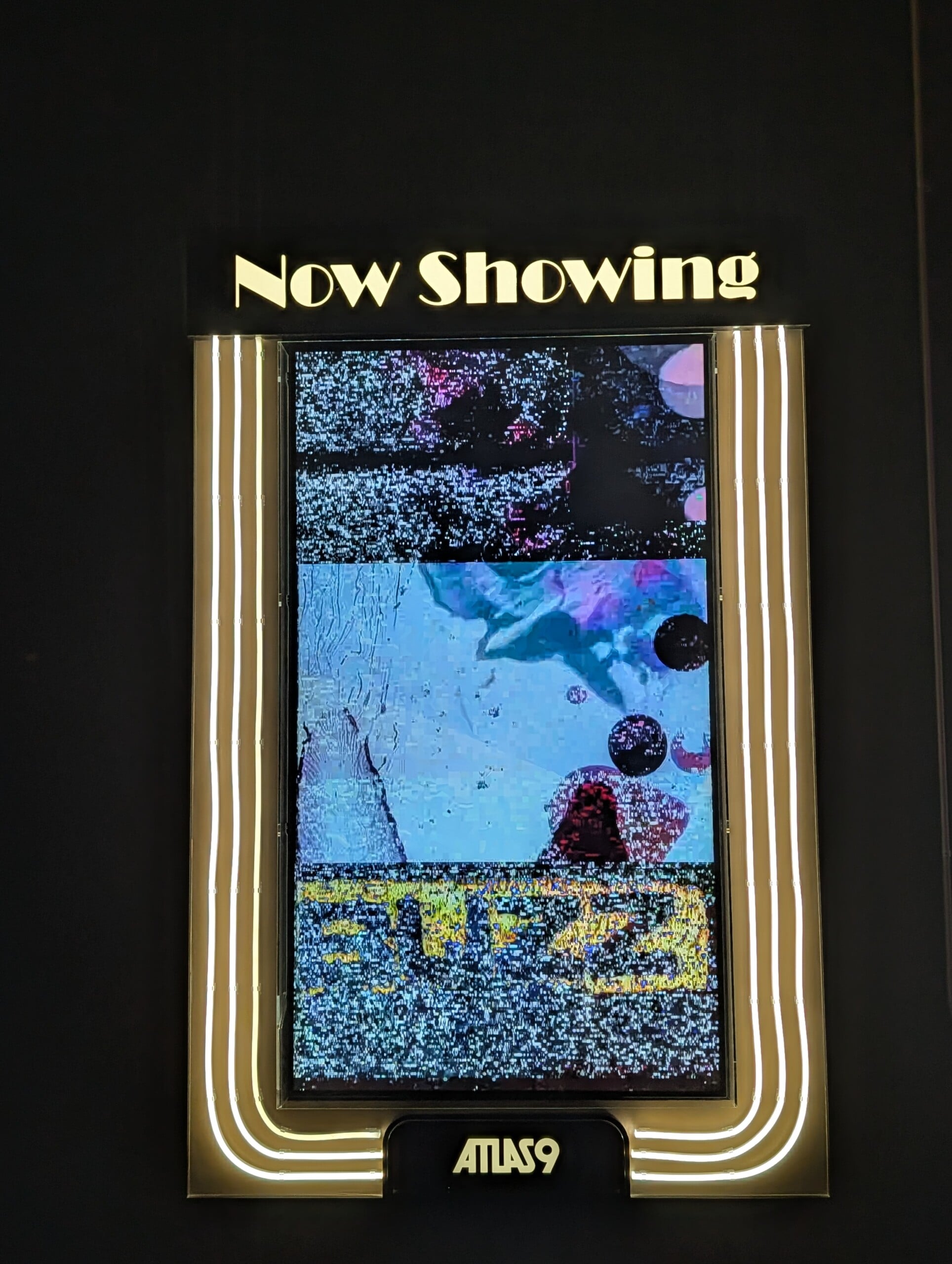
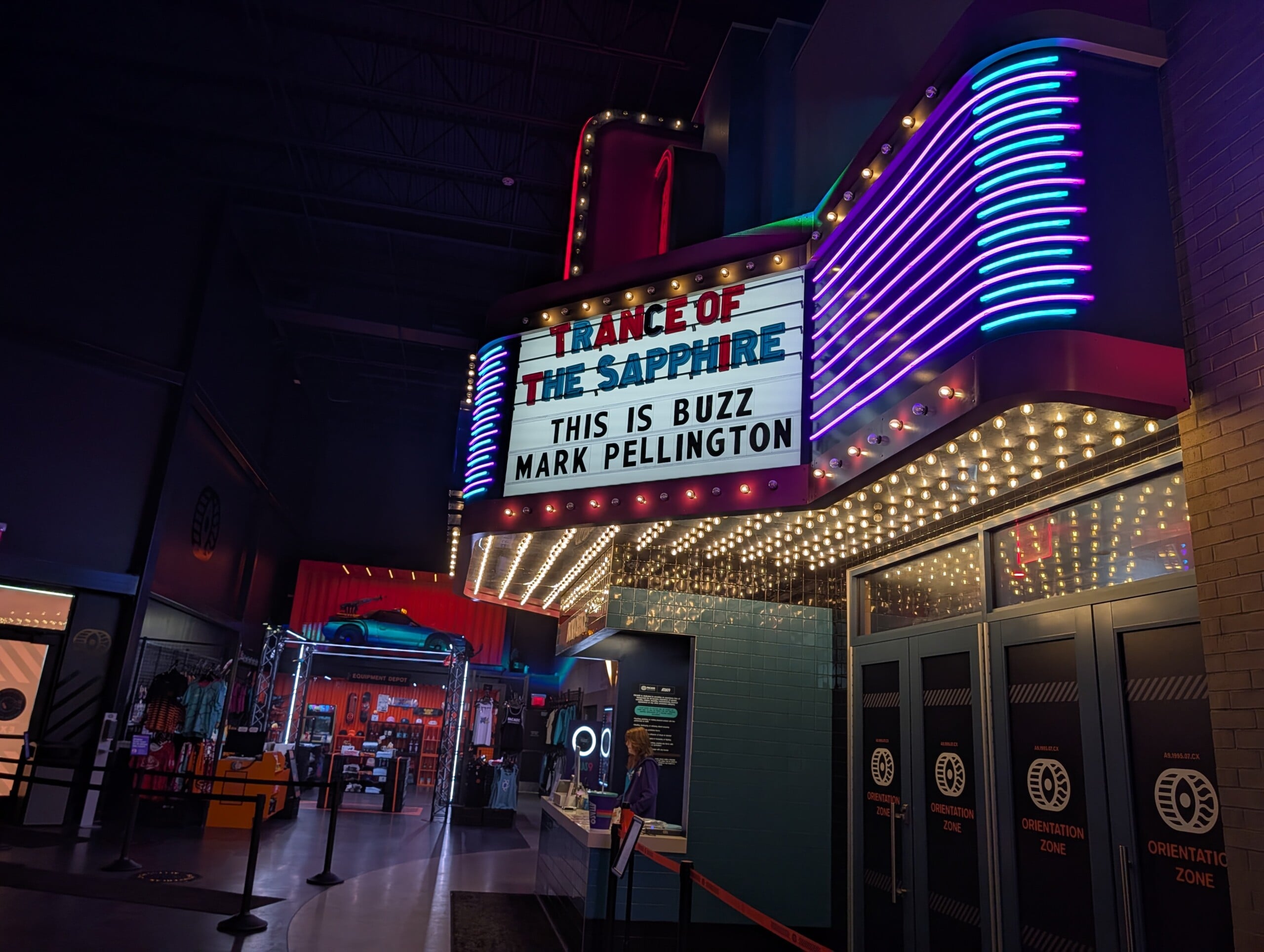
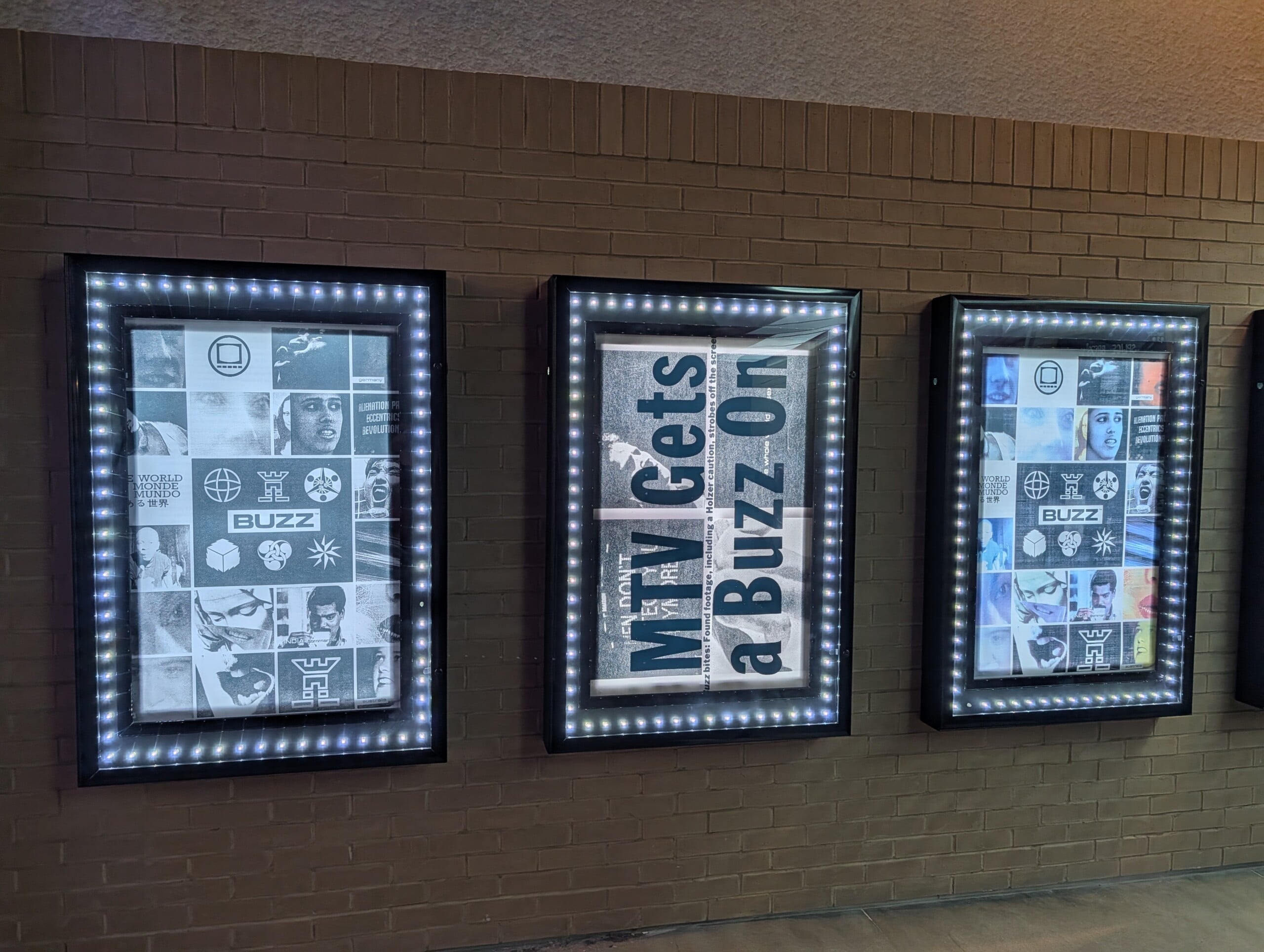
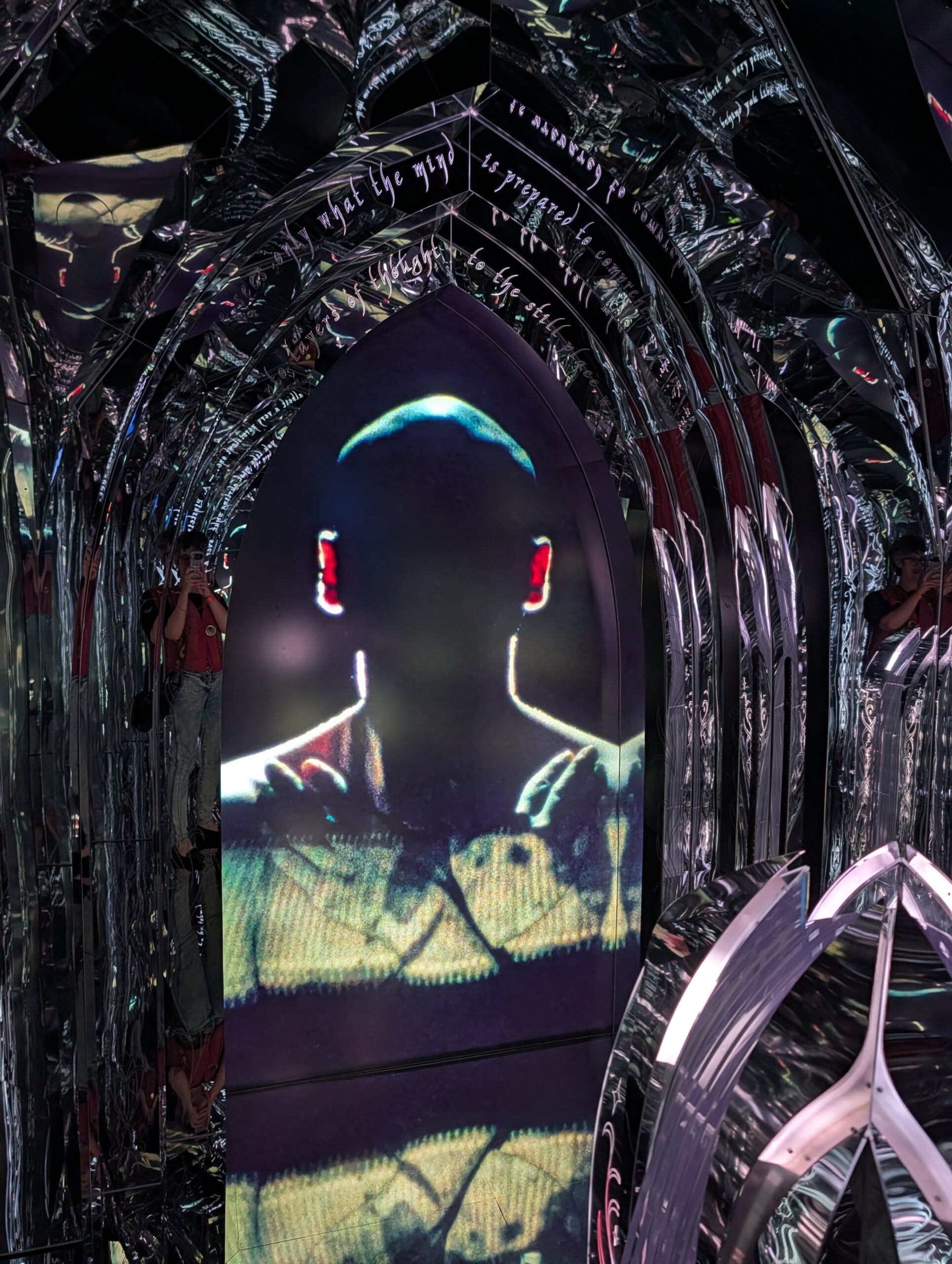
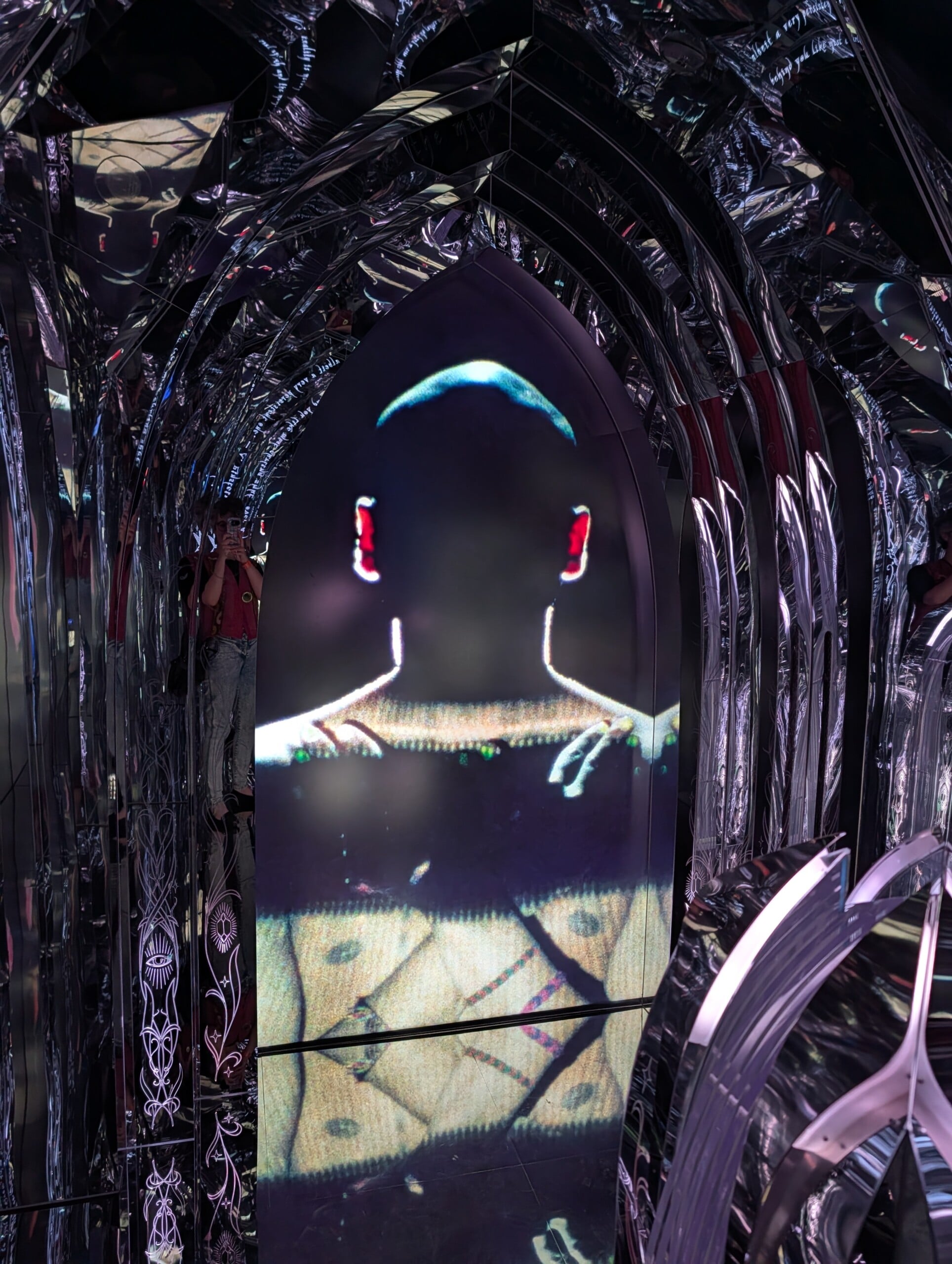
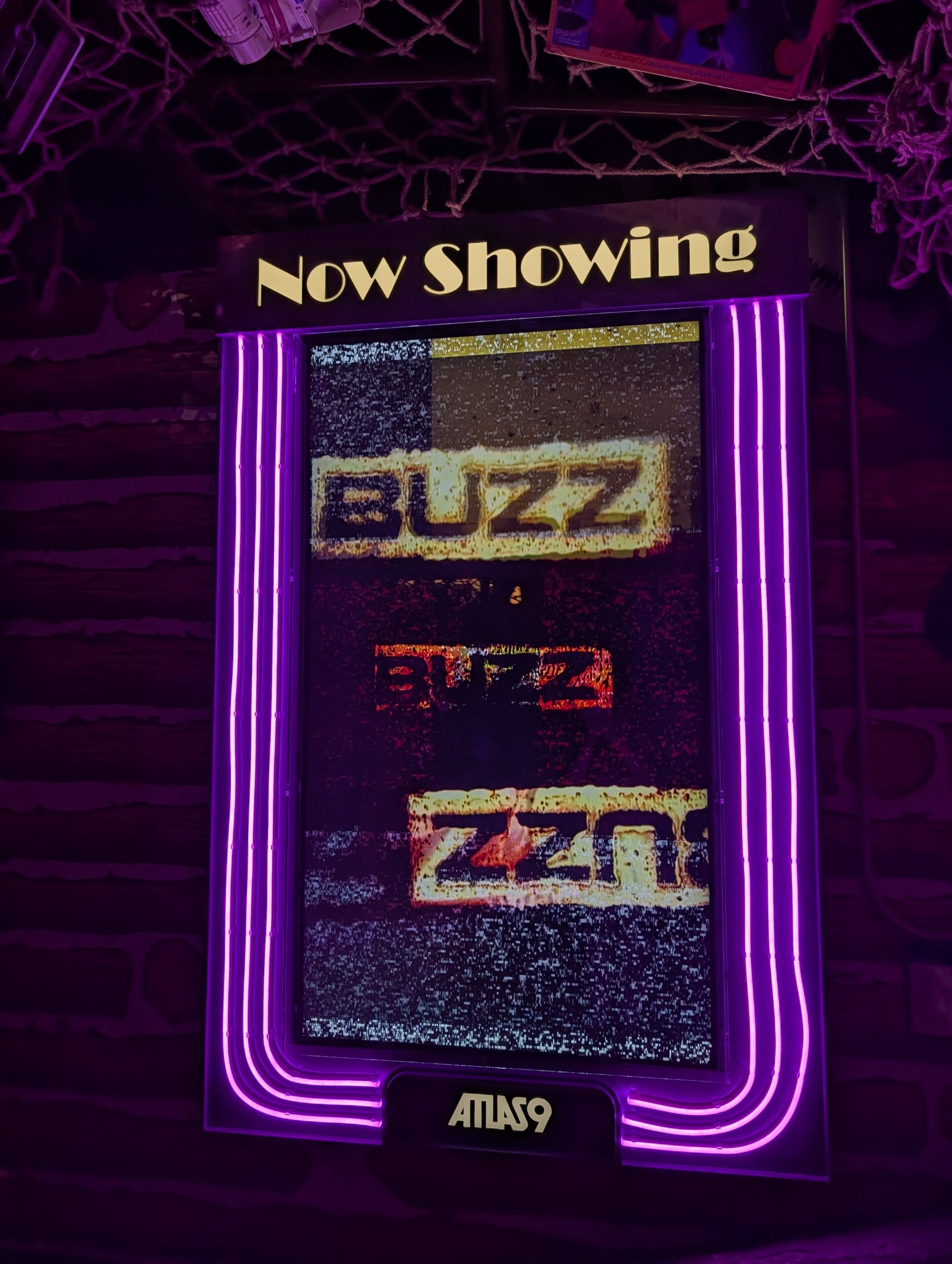
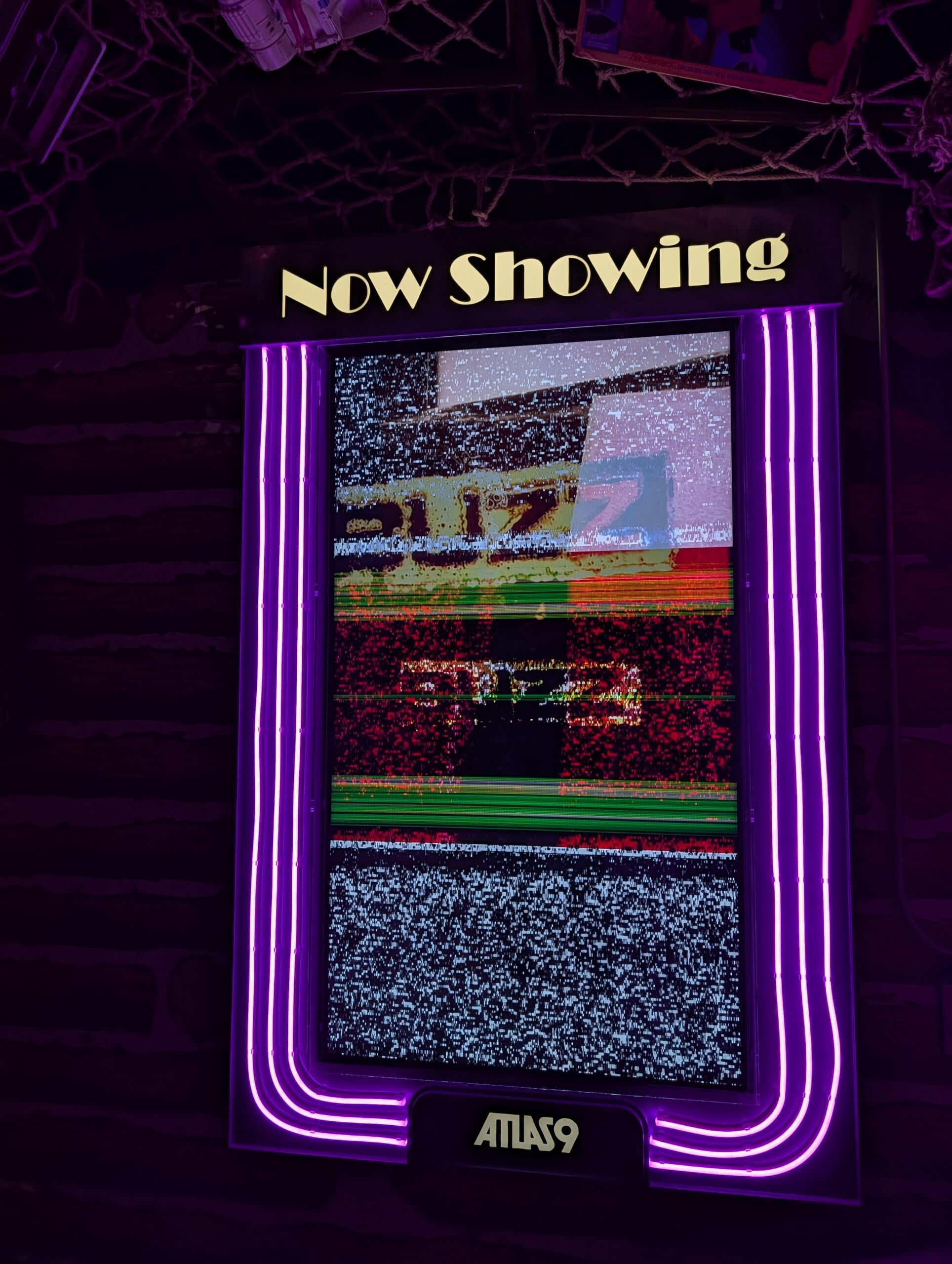
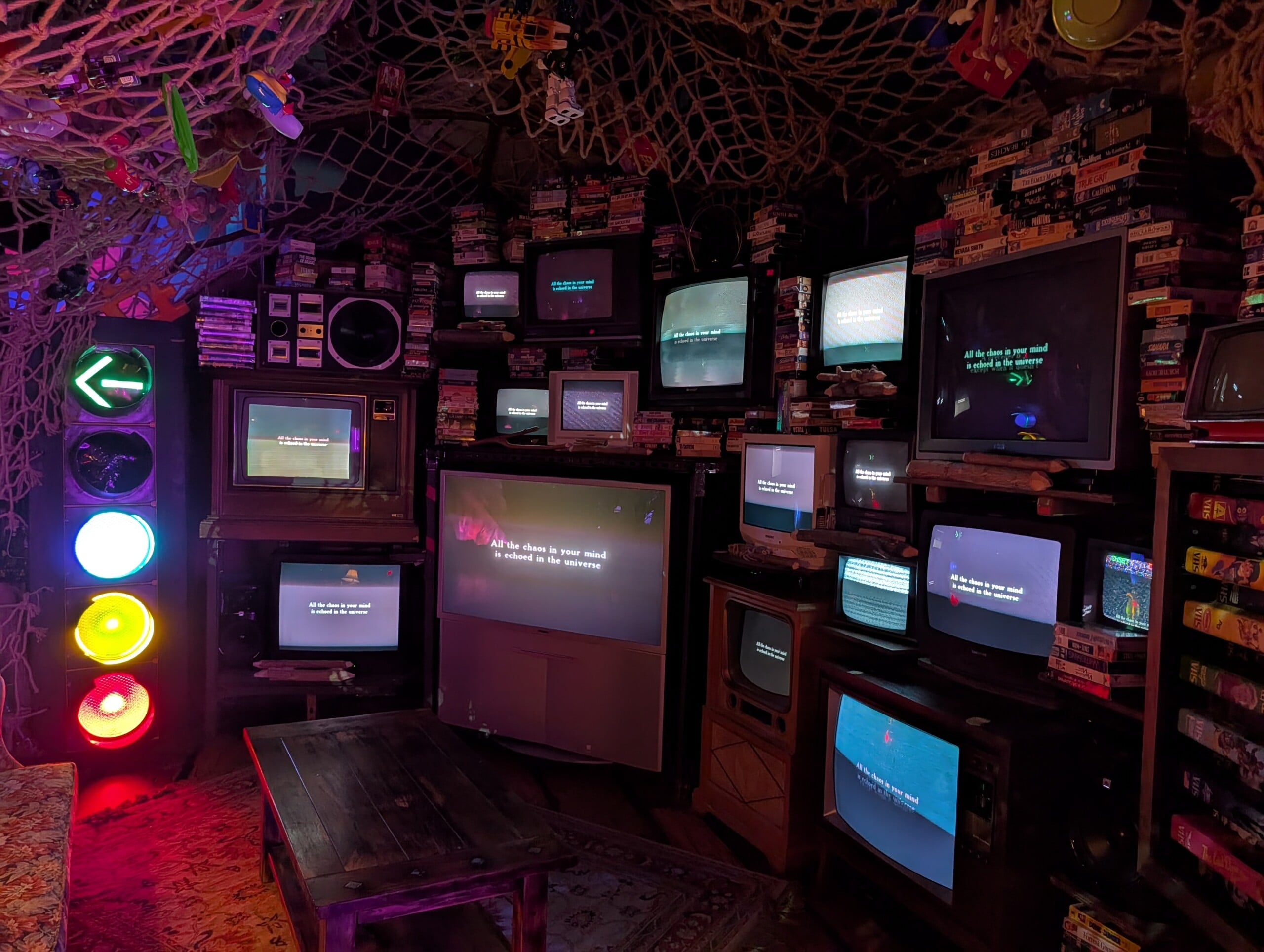
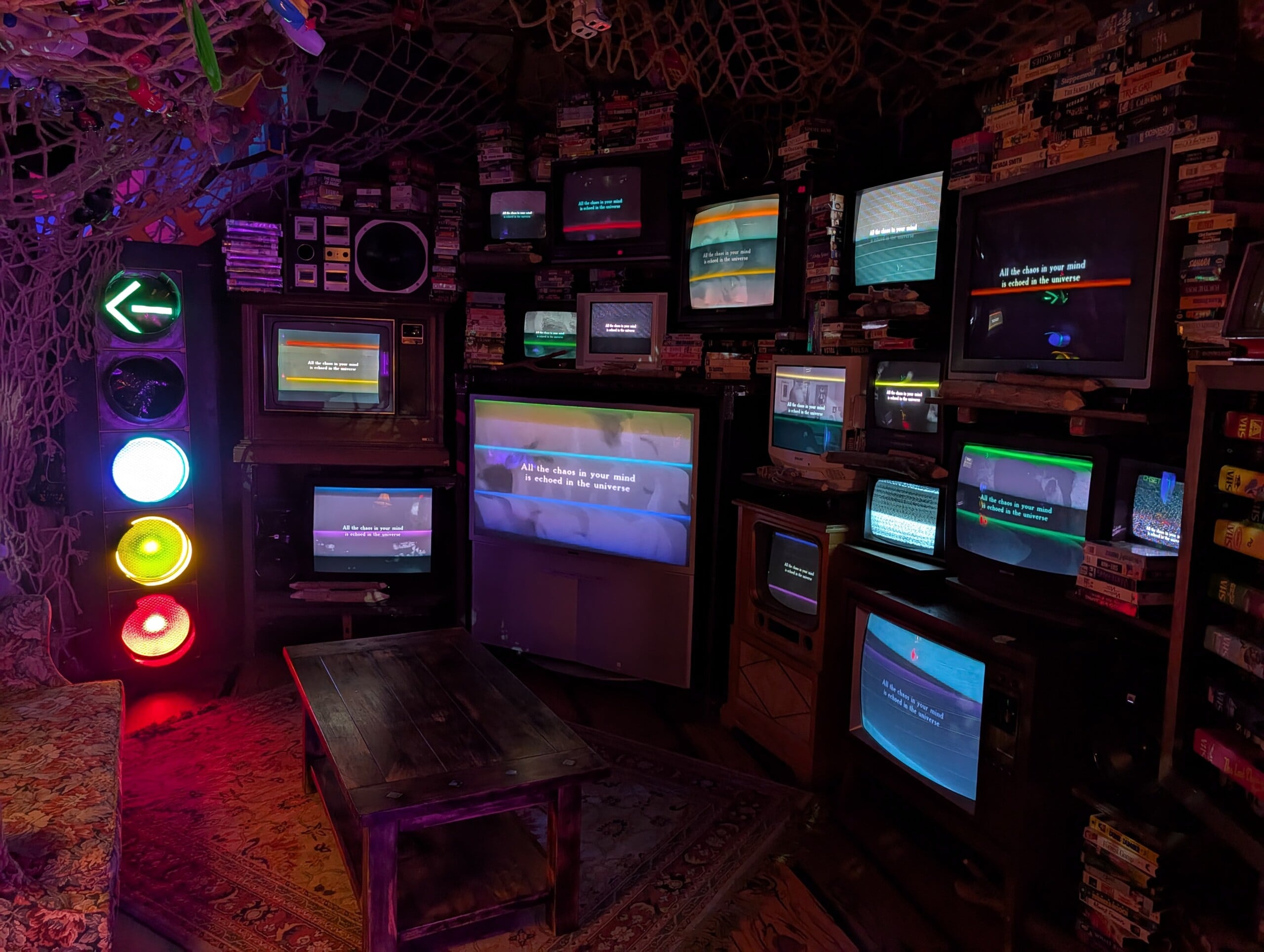
Instead of posters for imagined movies that only exist in the world of Atlas9, the lobby’s poster frames and marquee promoted Mark Pellington’s documentary This is Buzz, which screened in the auditorium that night. Video displays showed clips from Buzz, the 1990 MTV news magazine Pellington’s documentary covers (Pellington, a veteran of the early MTV years, co-created Buzz with fellow MTV staffer Jon Klein).

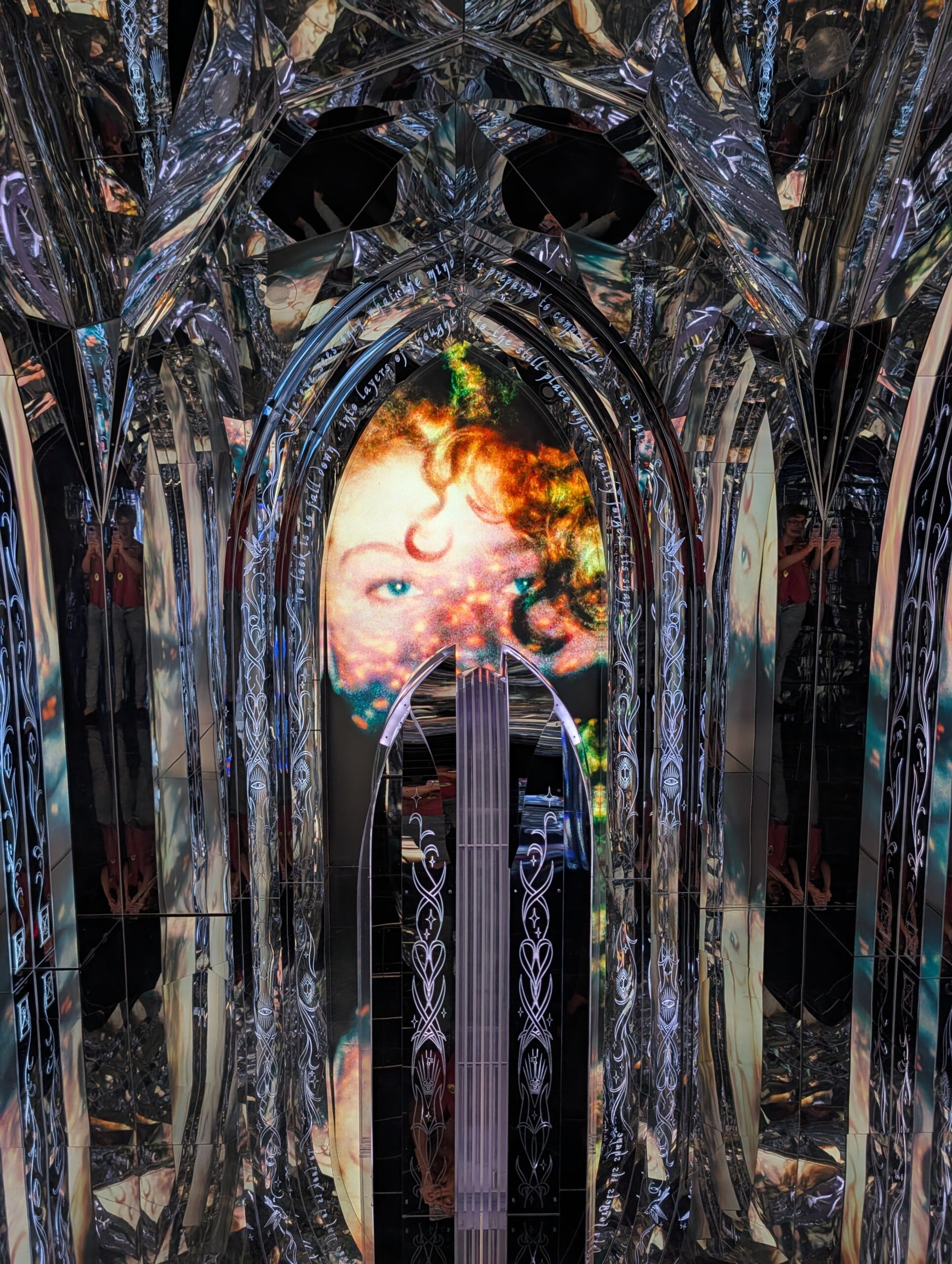
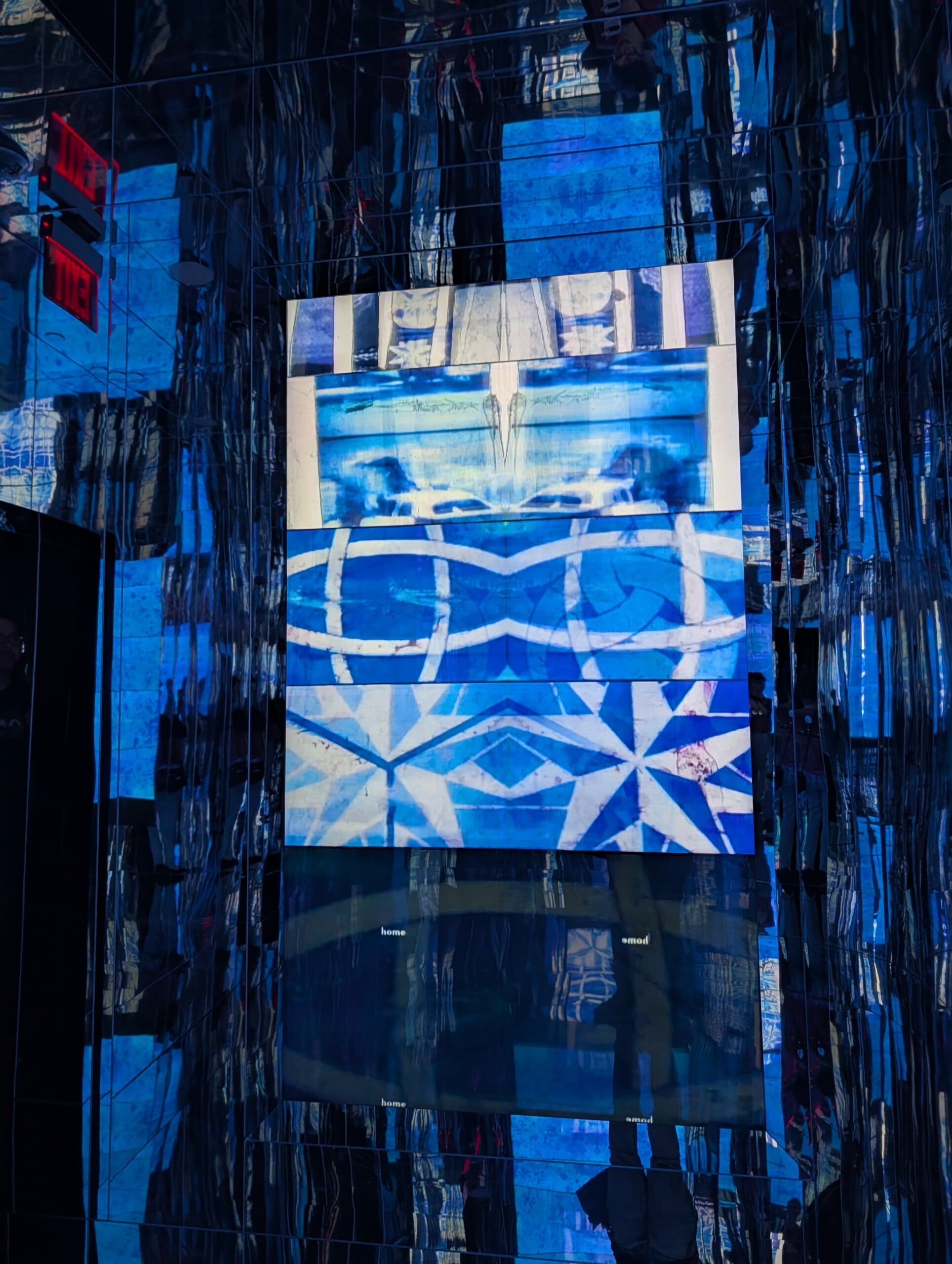
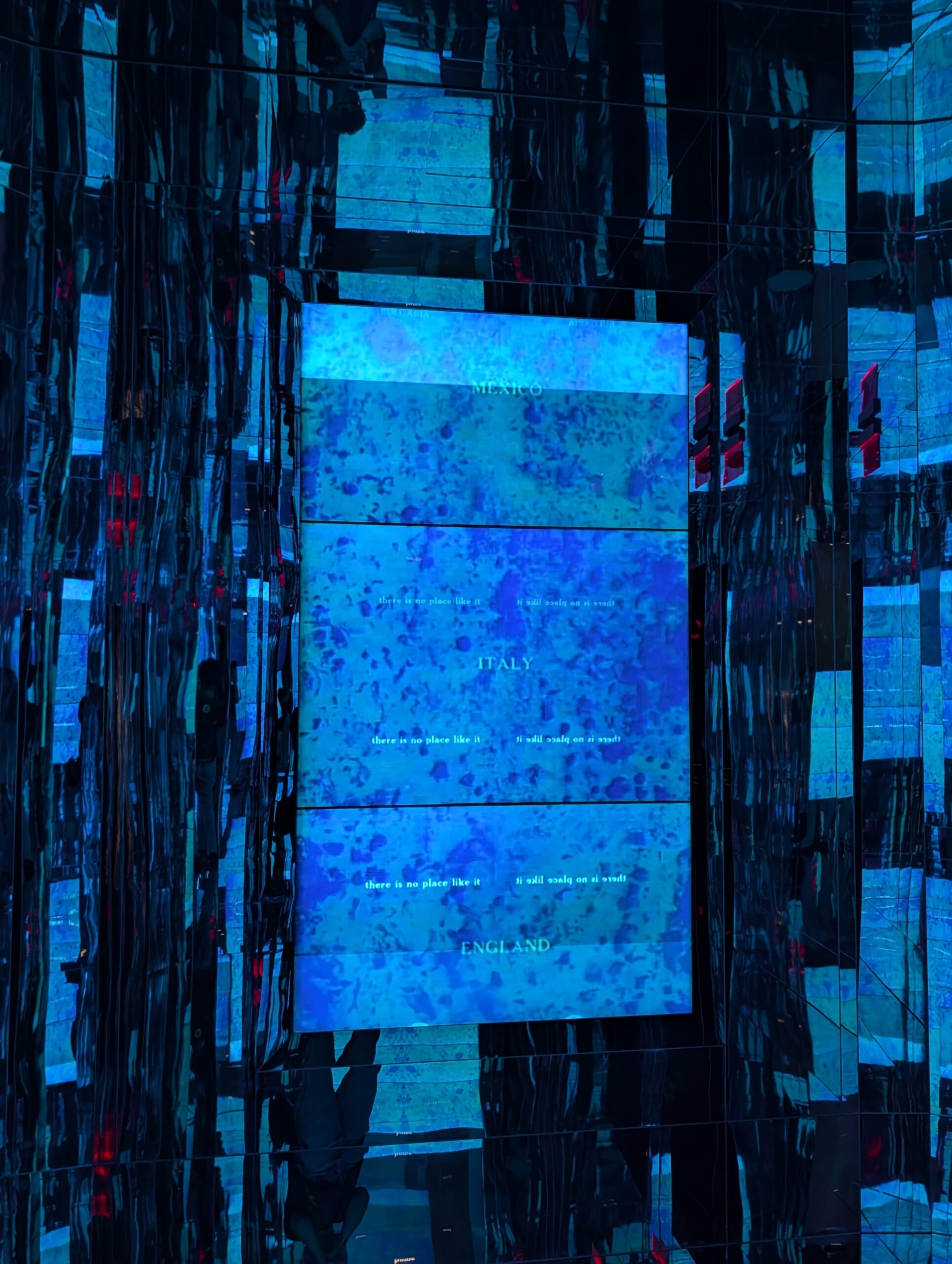
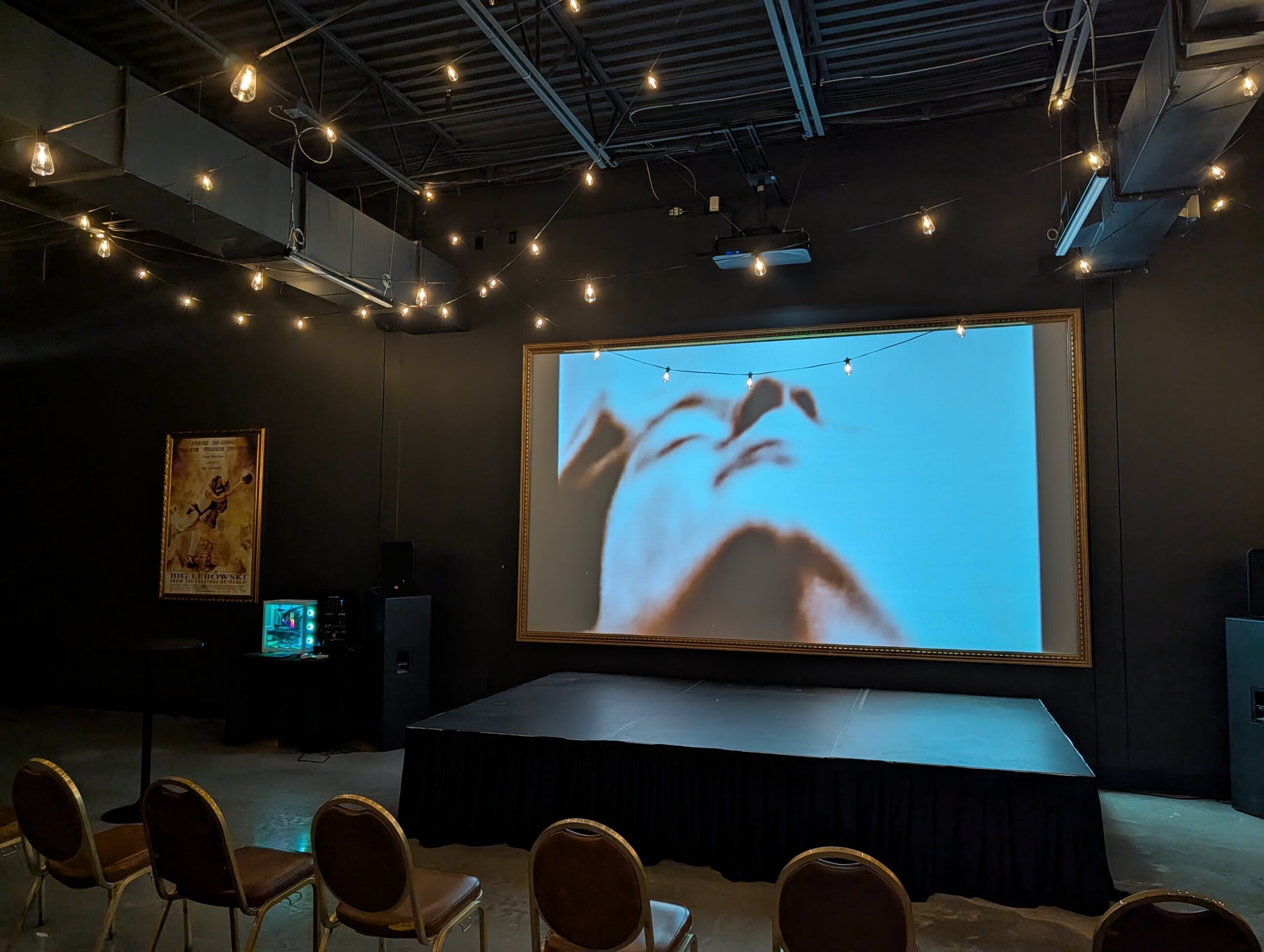
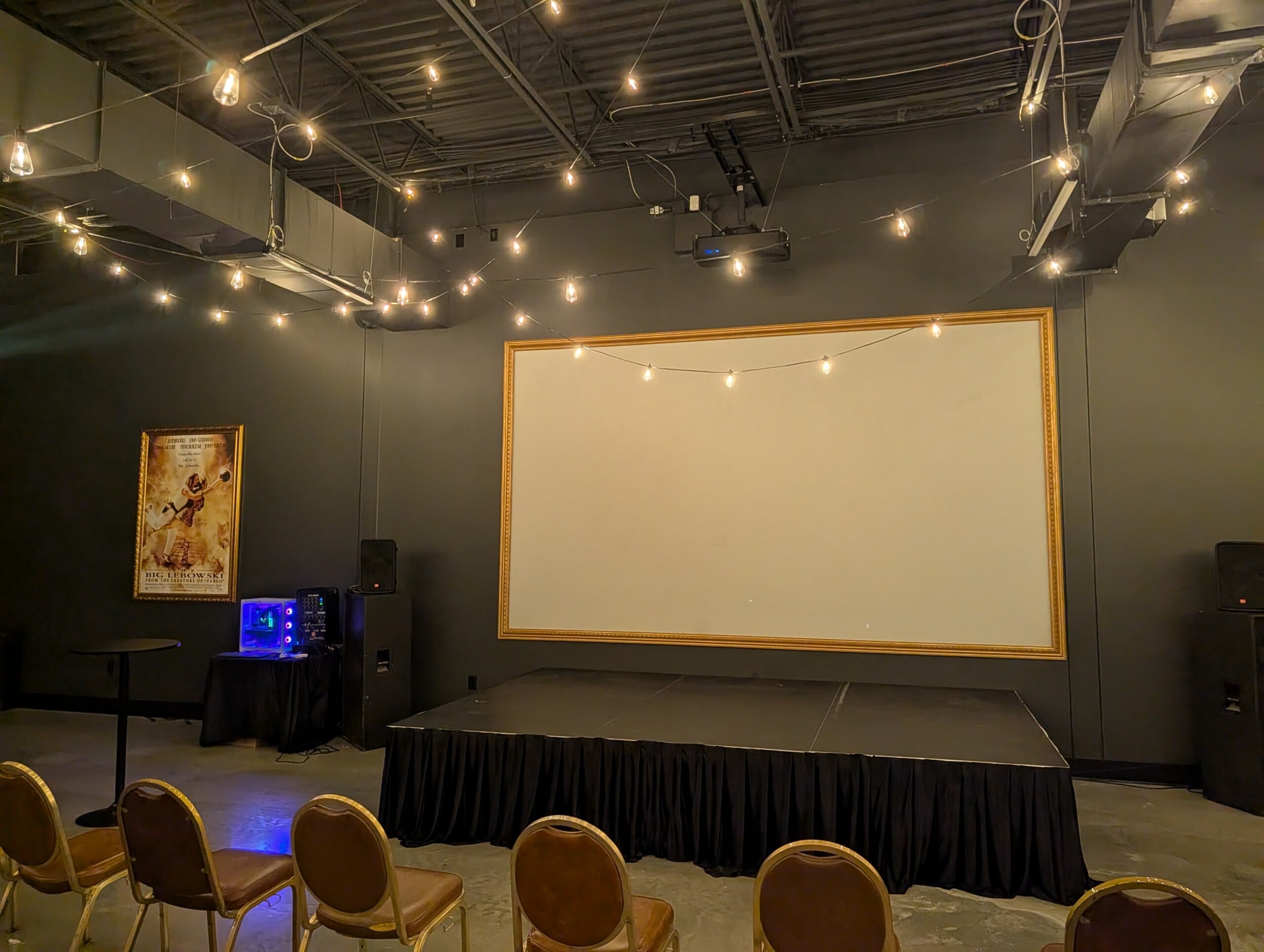
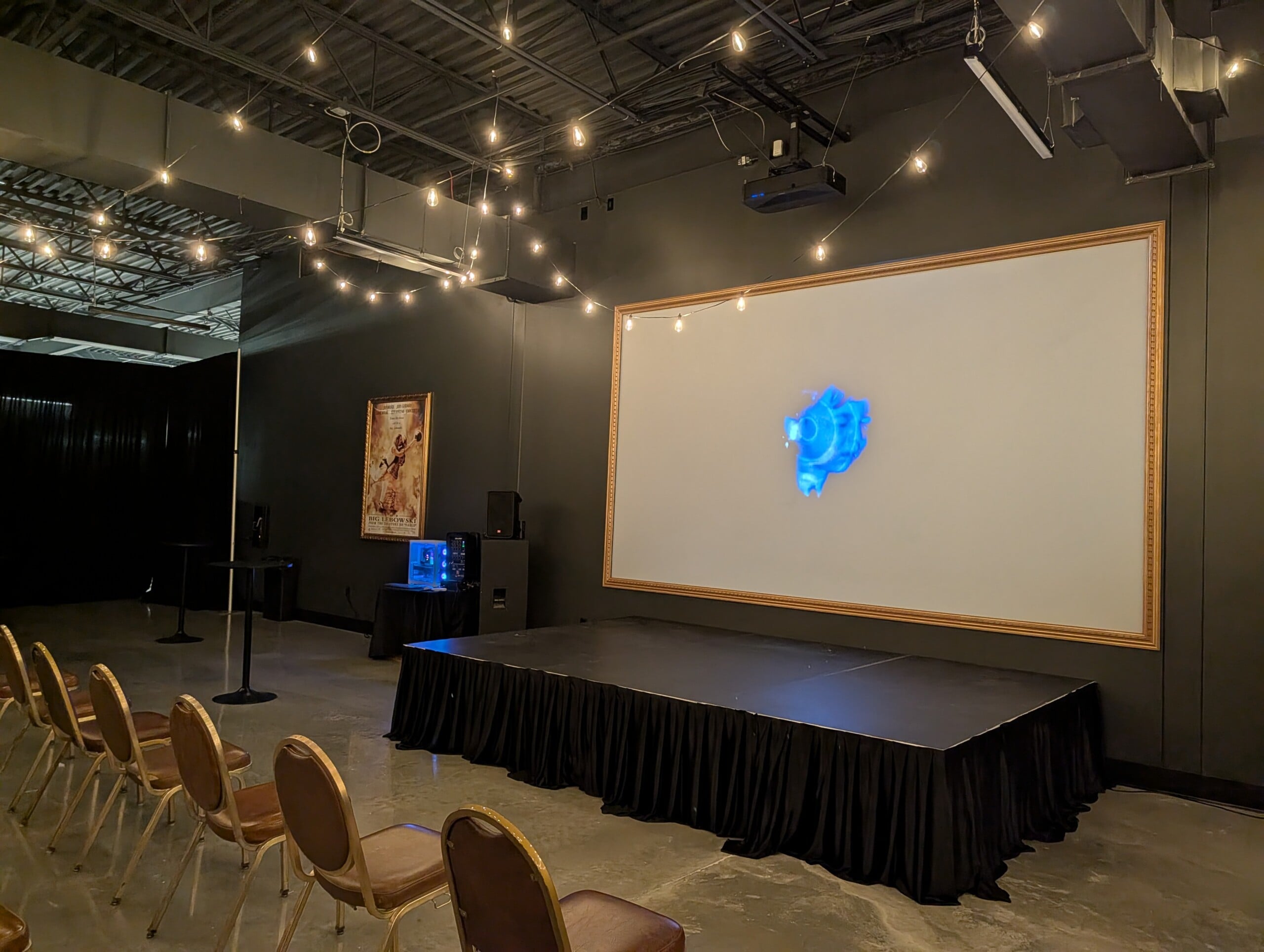
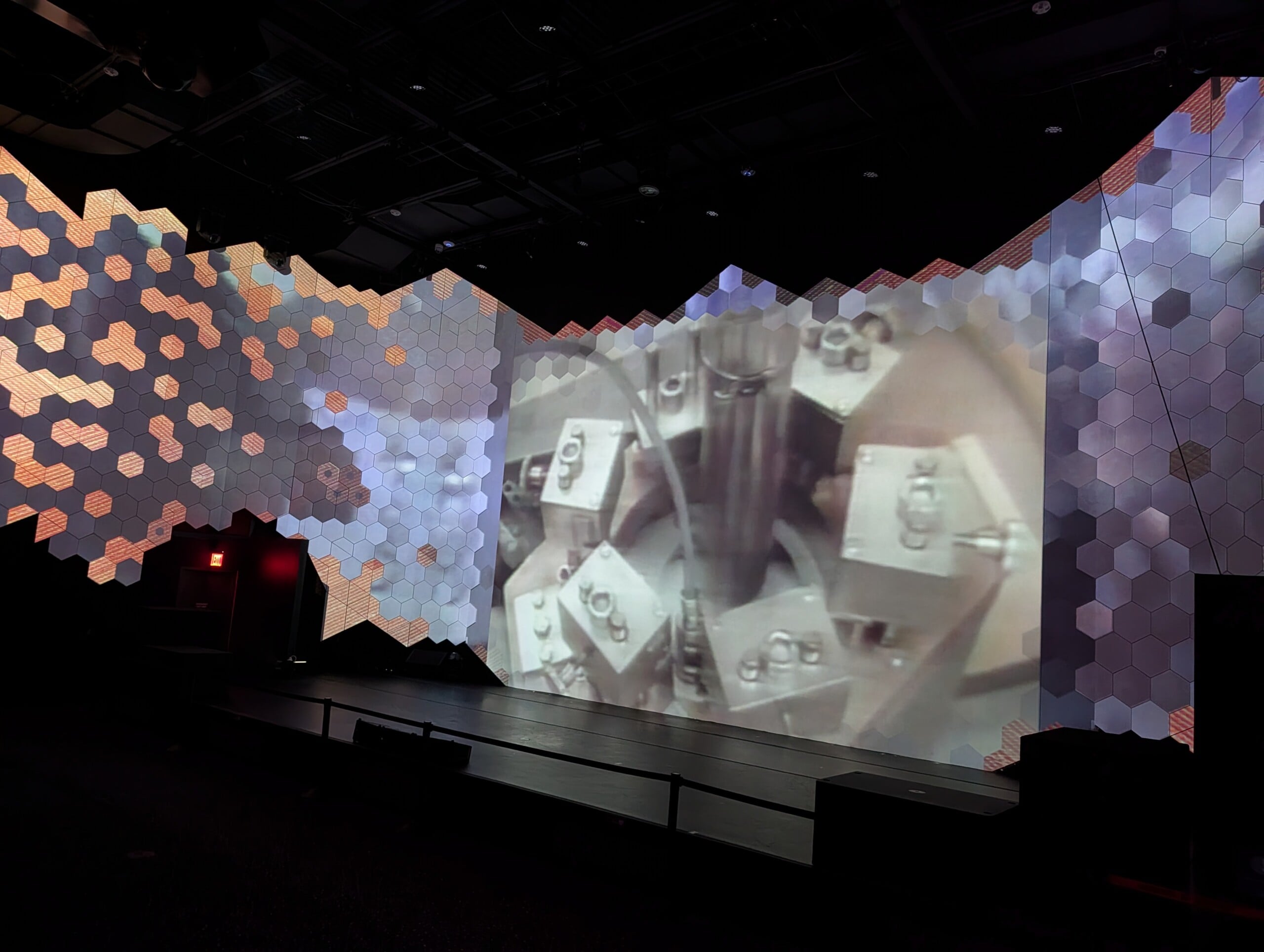
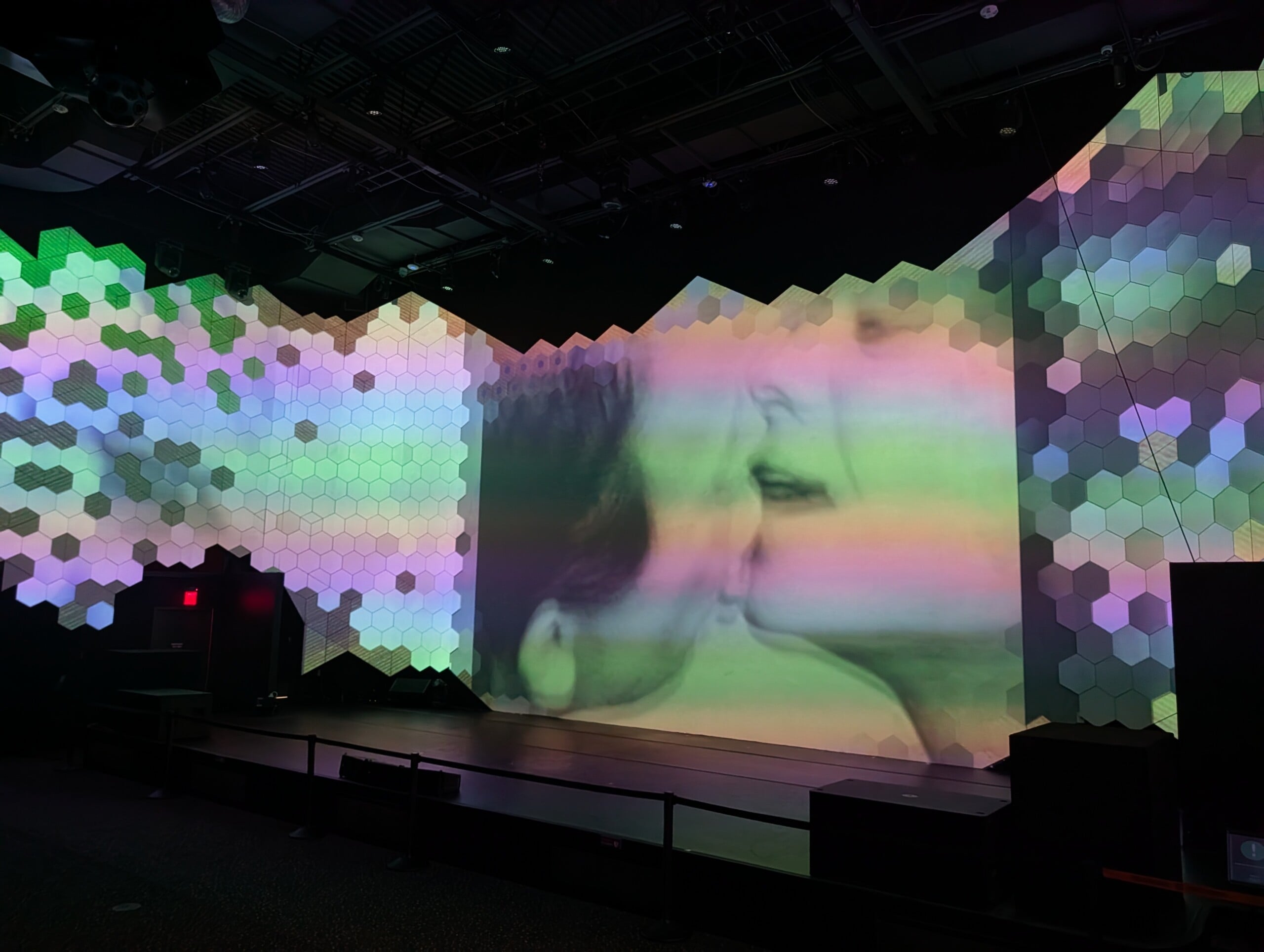
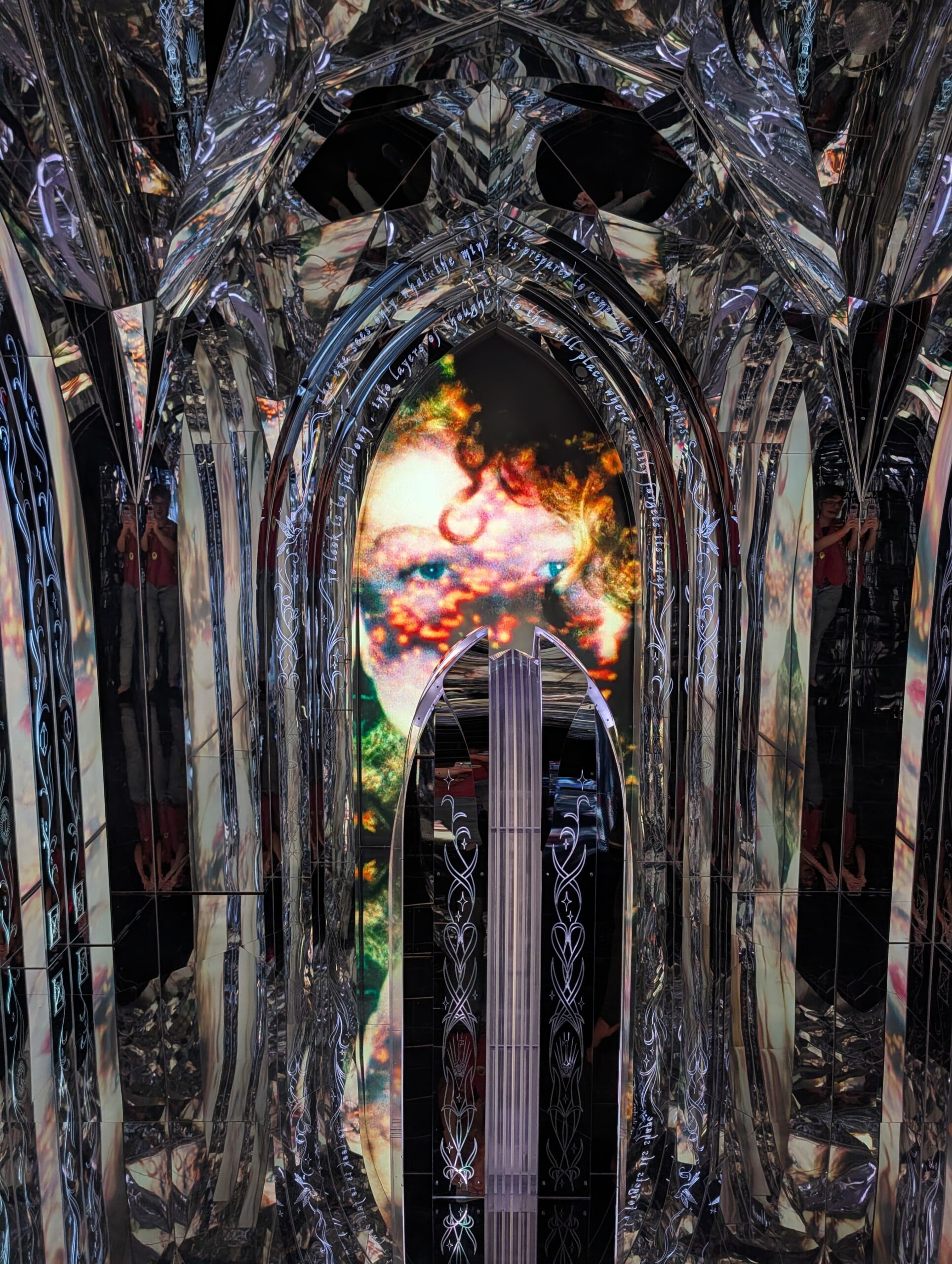
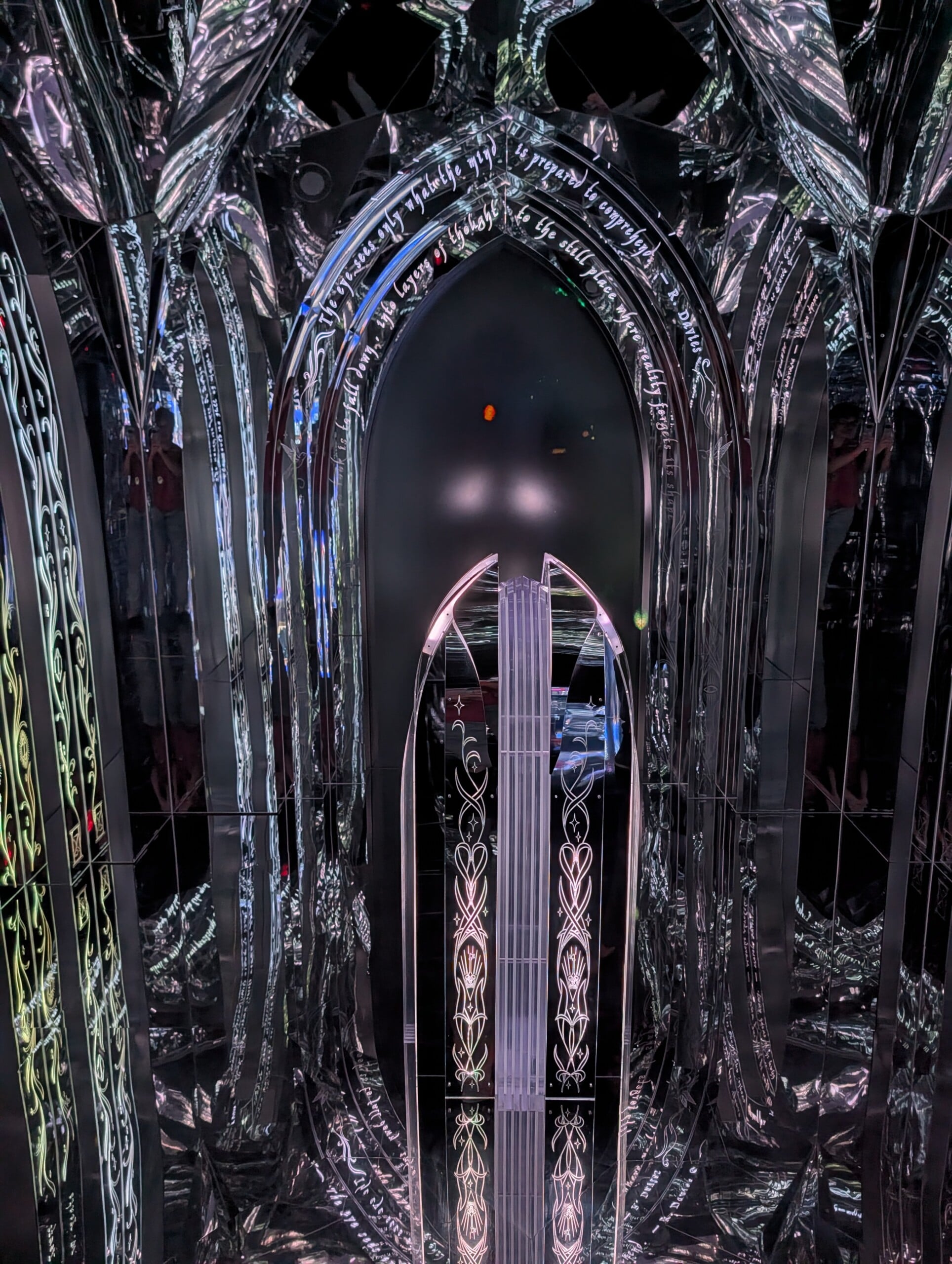
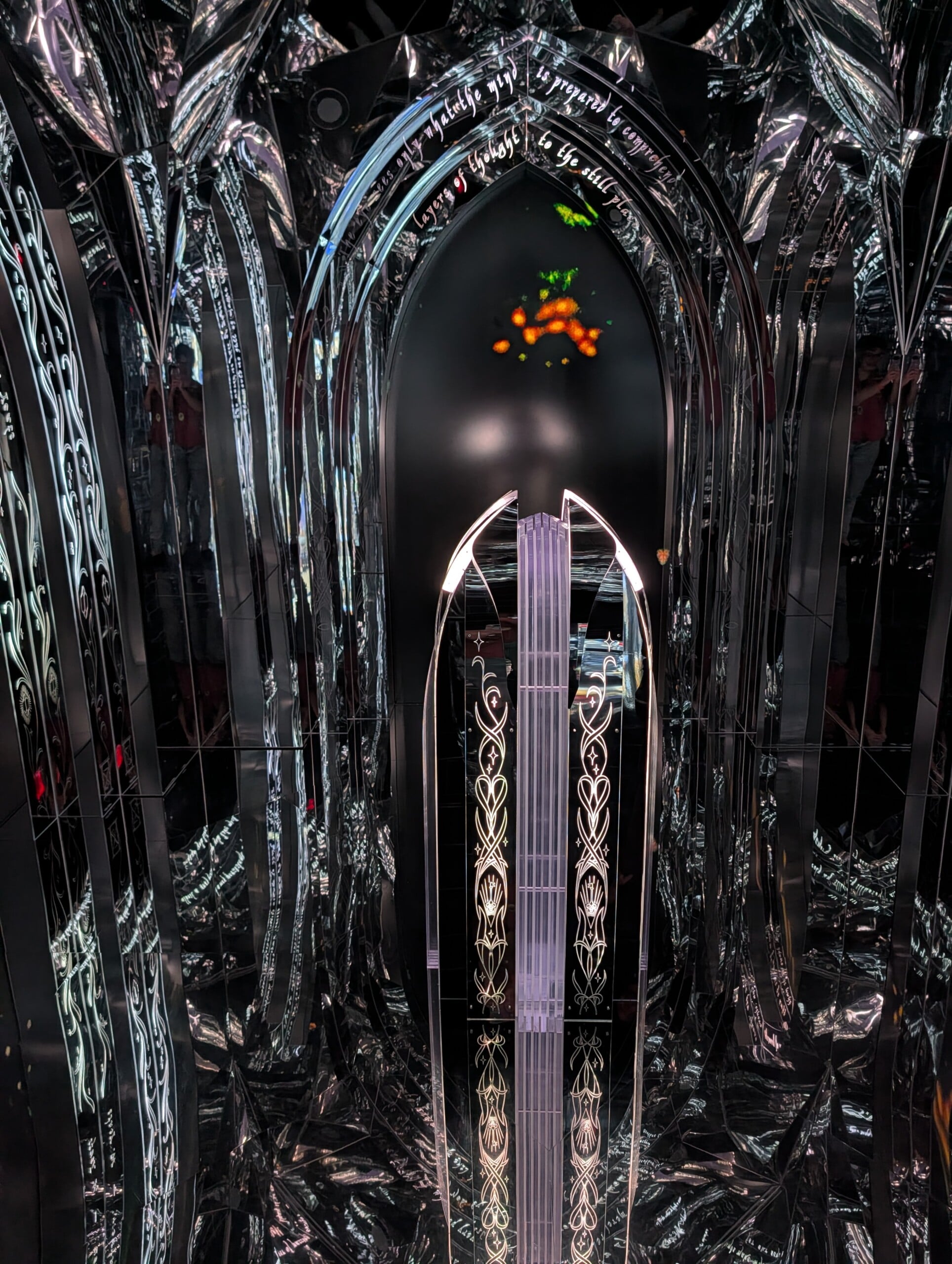
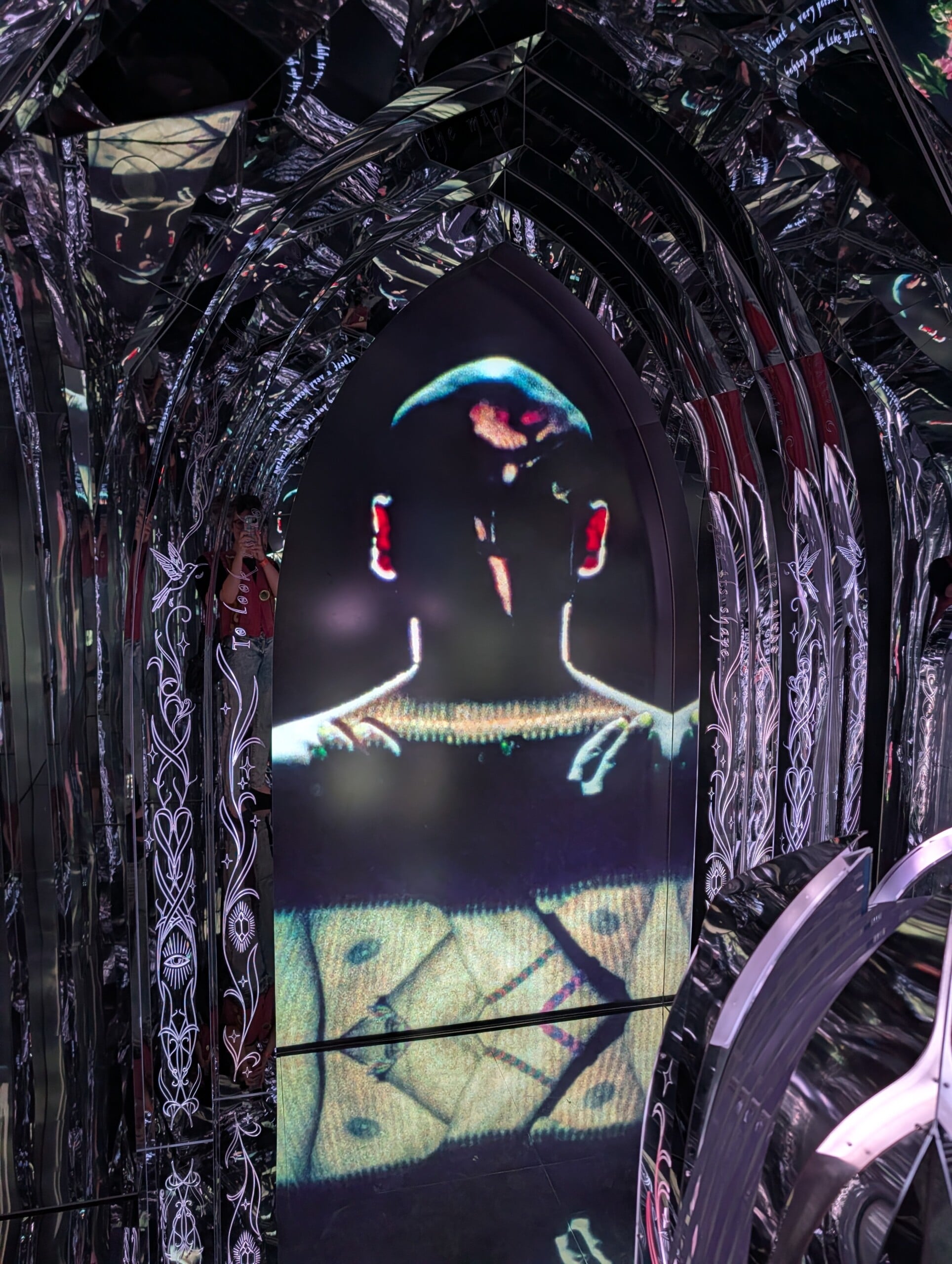
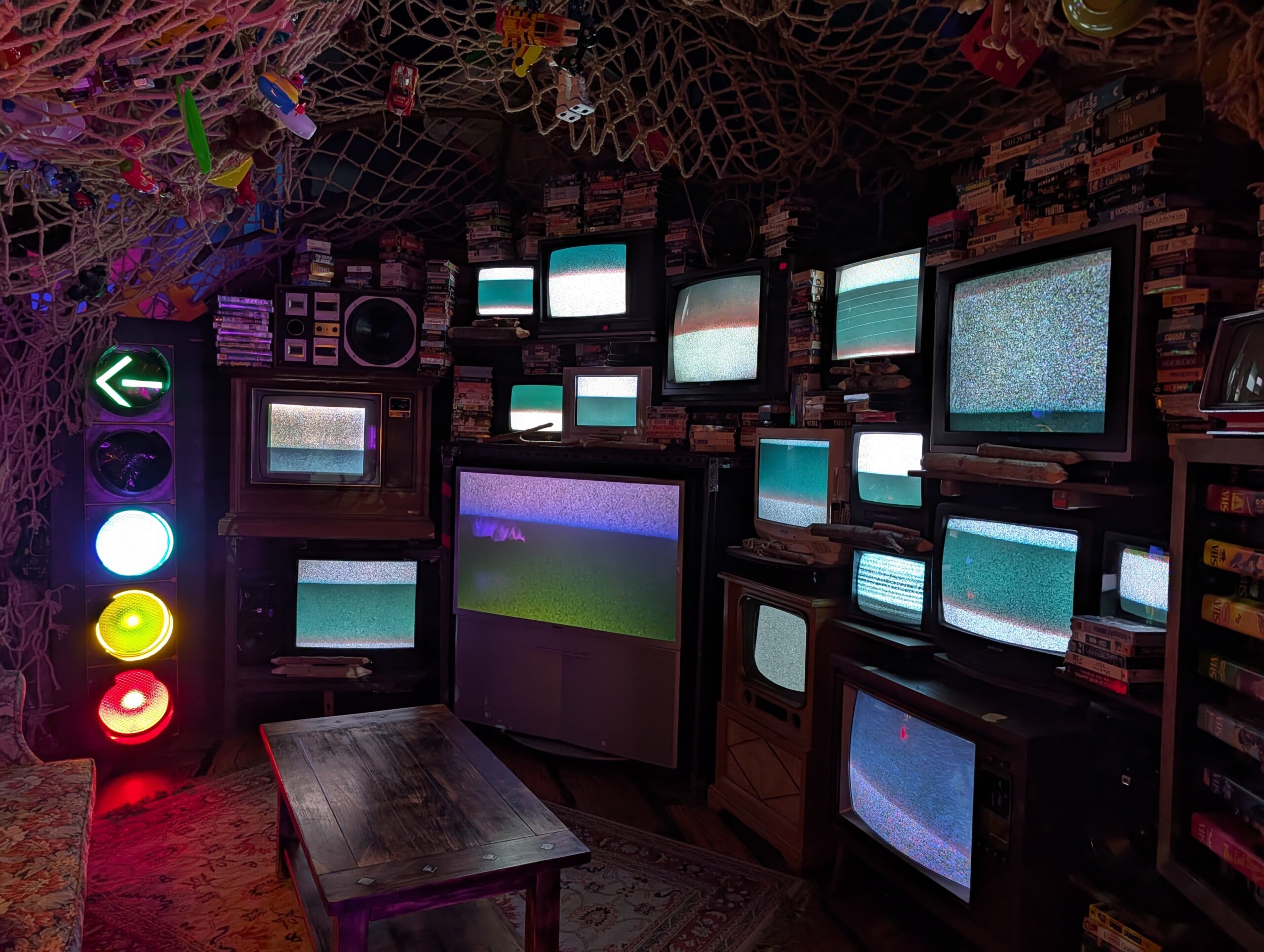
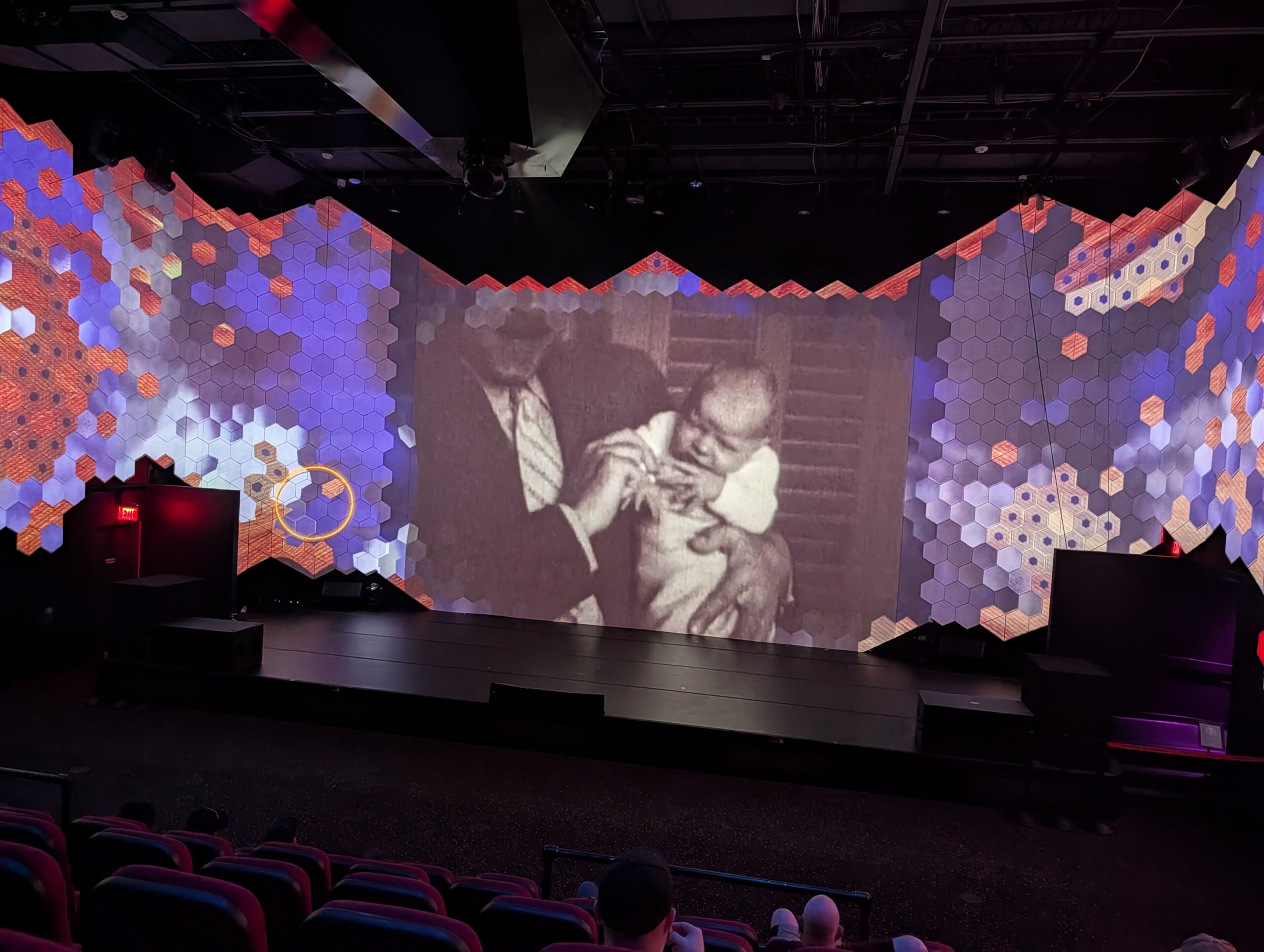
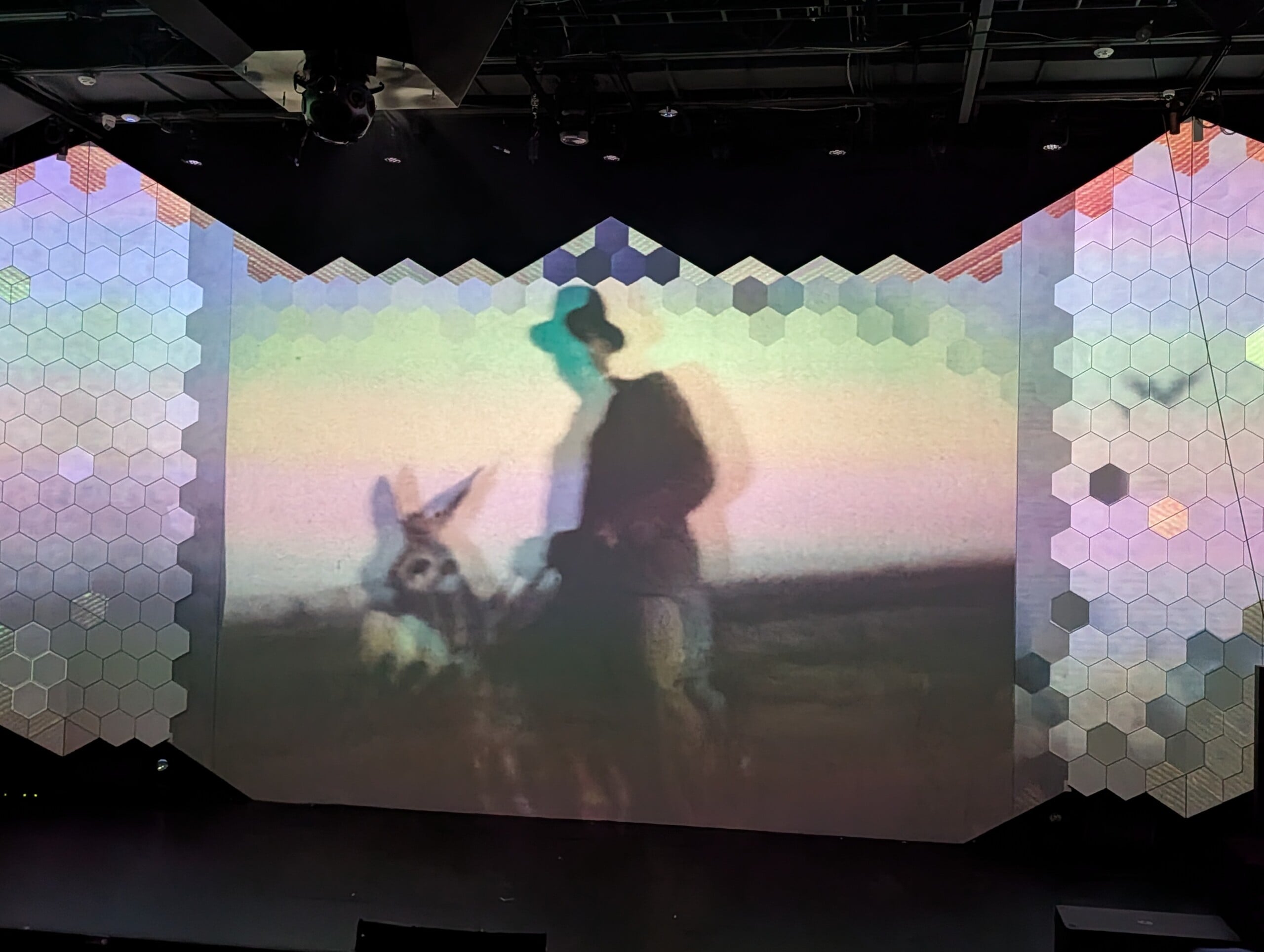
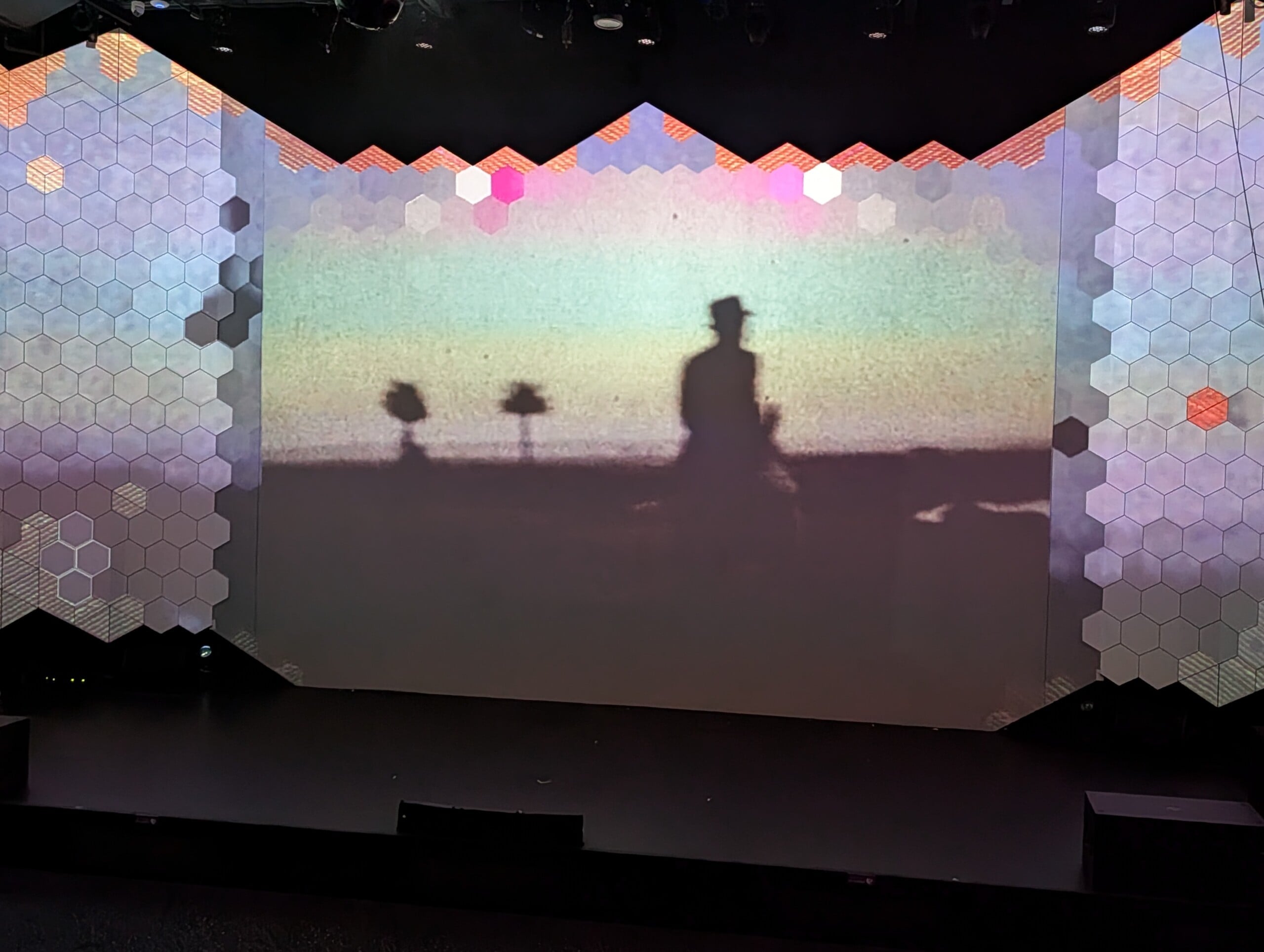
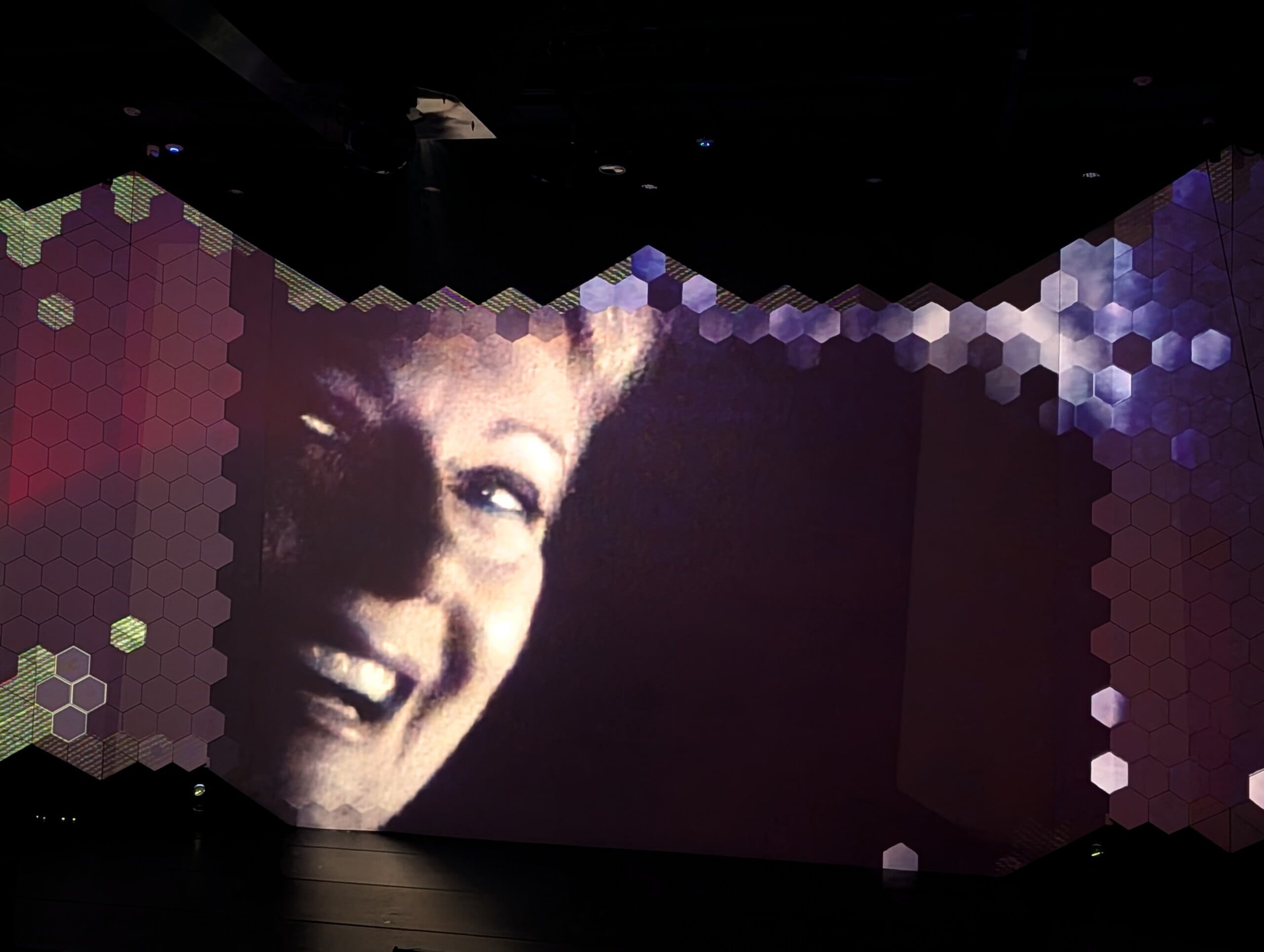
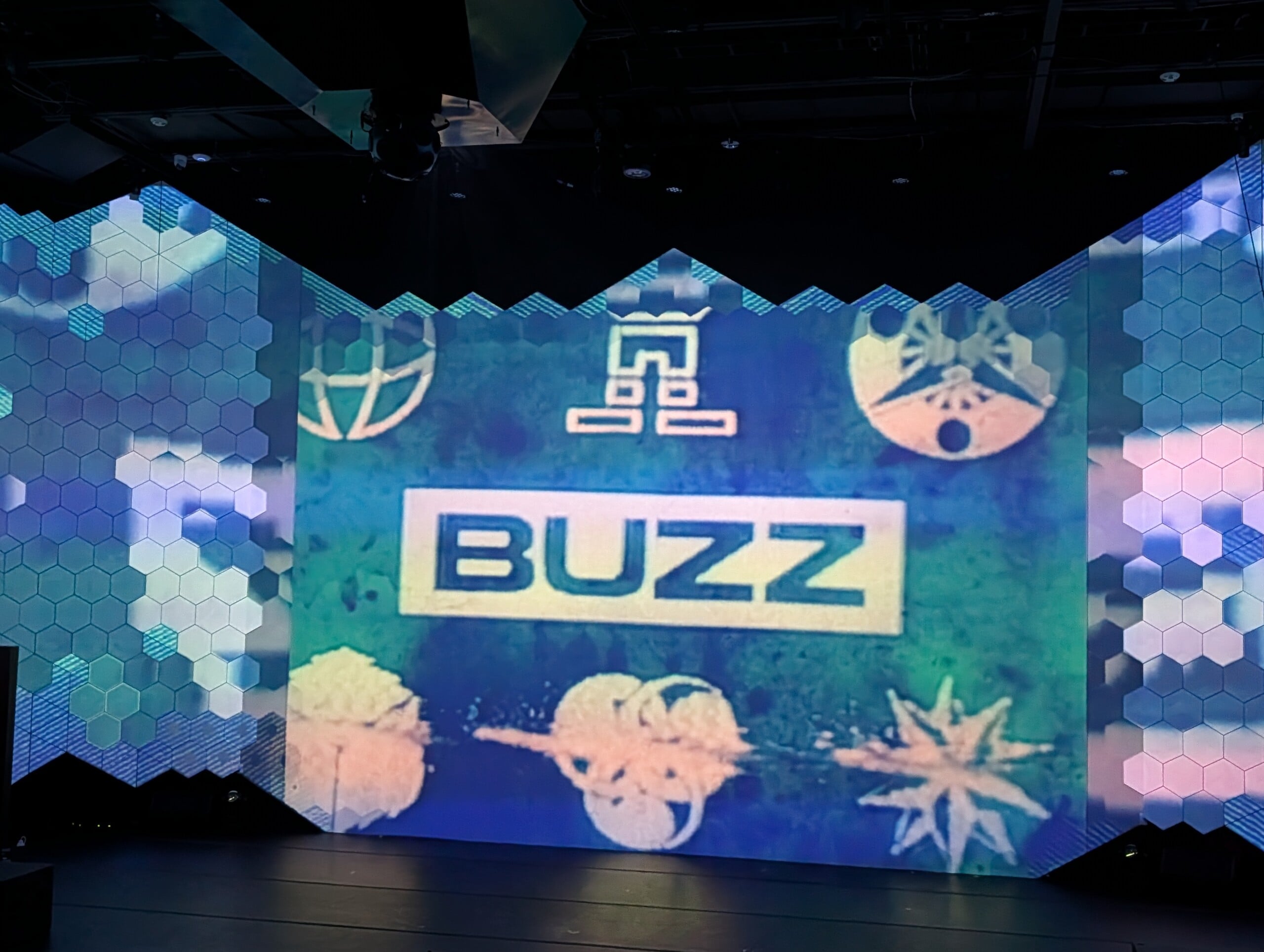
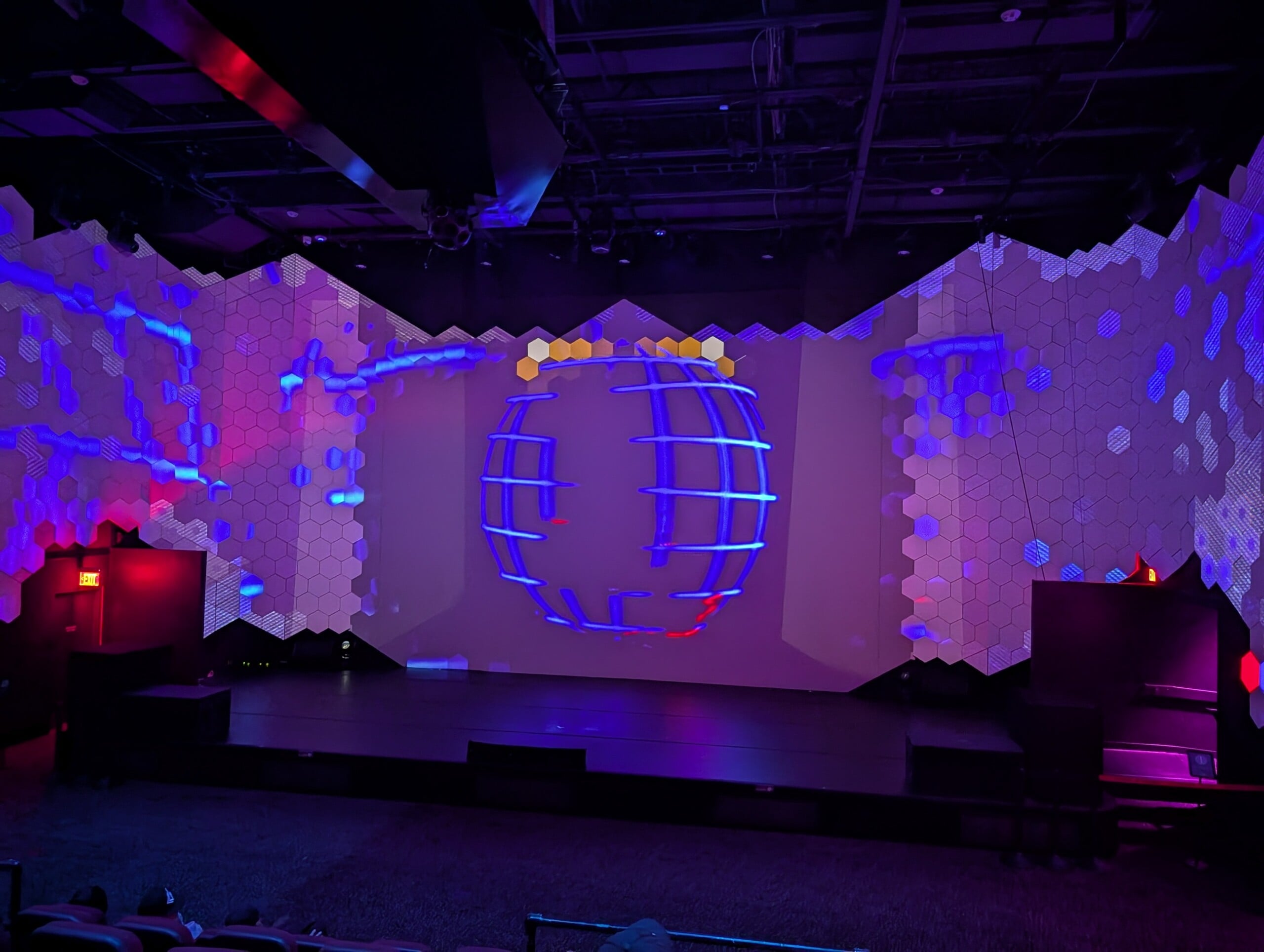
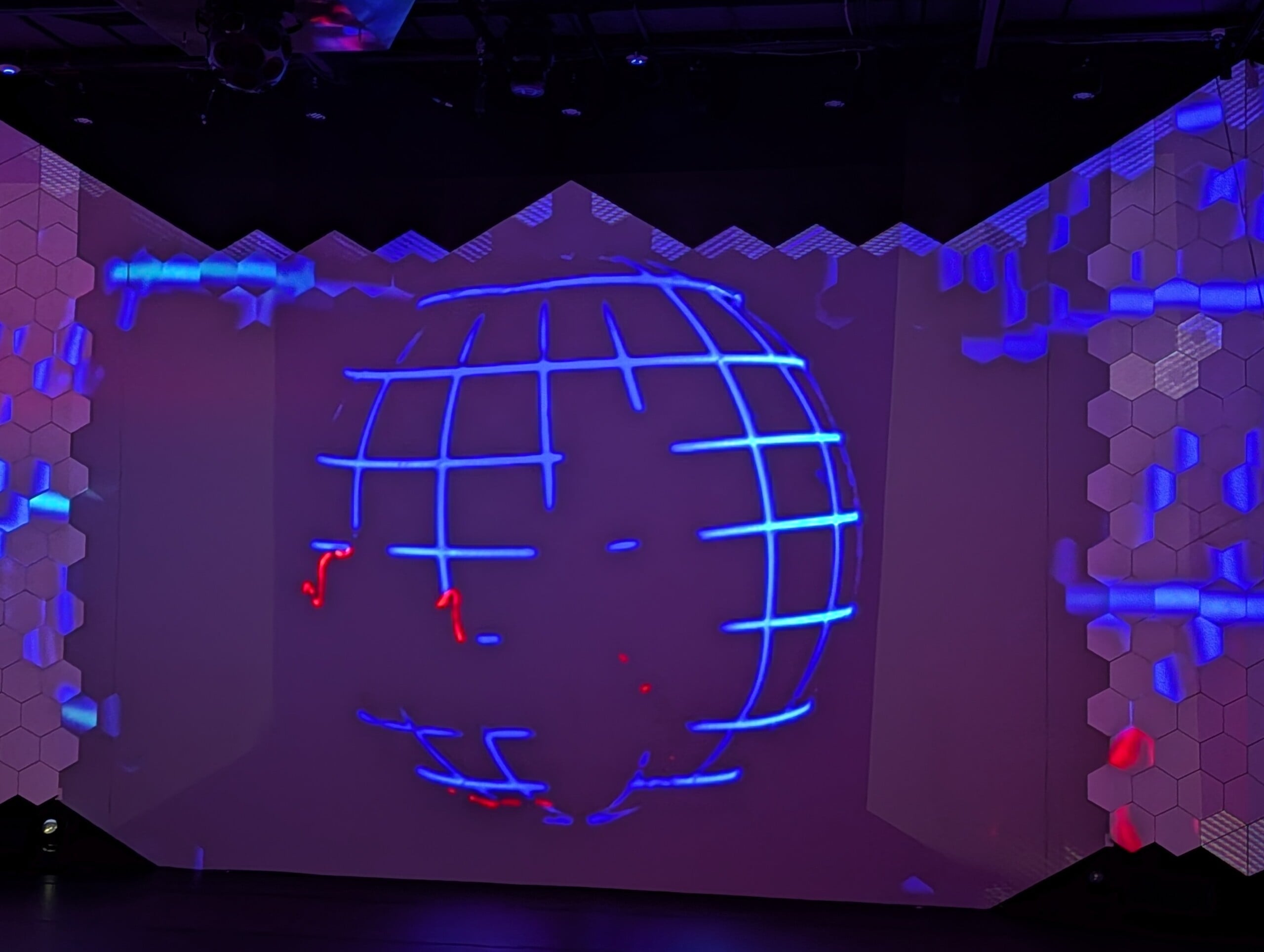
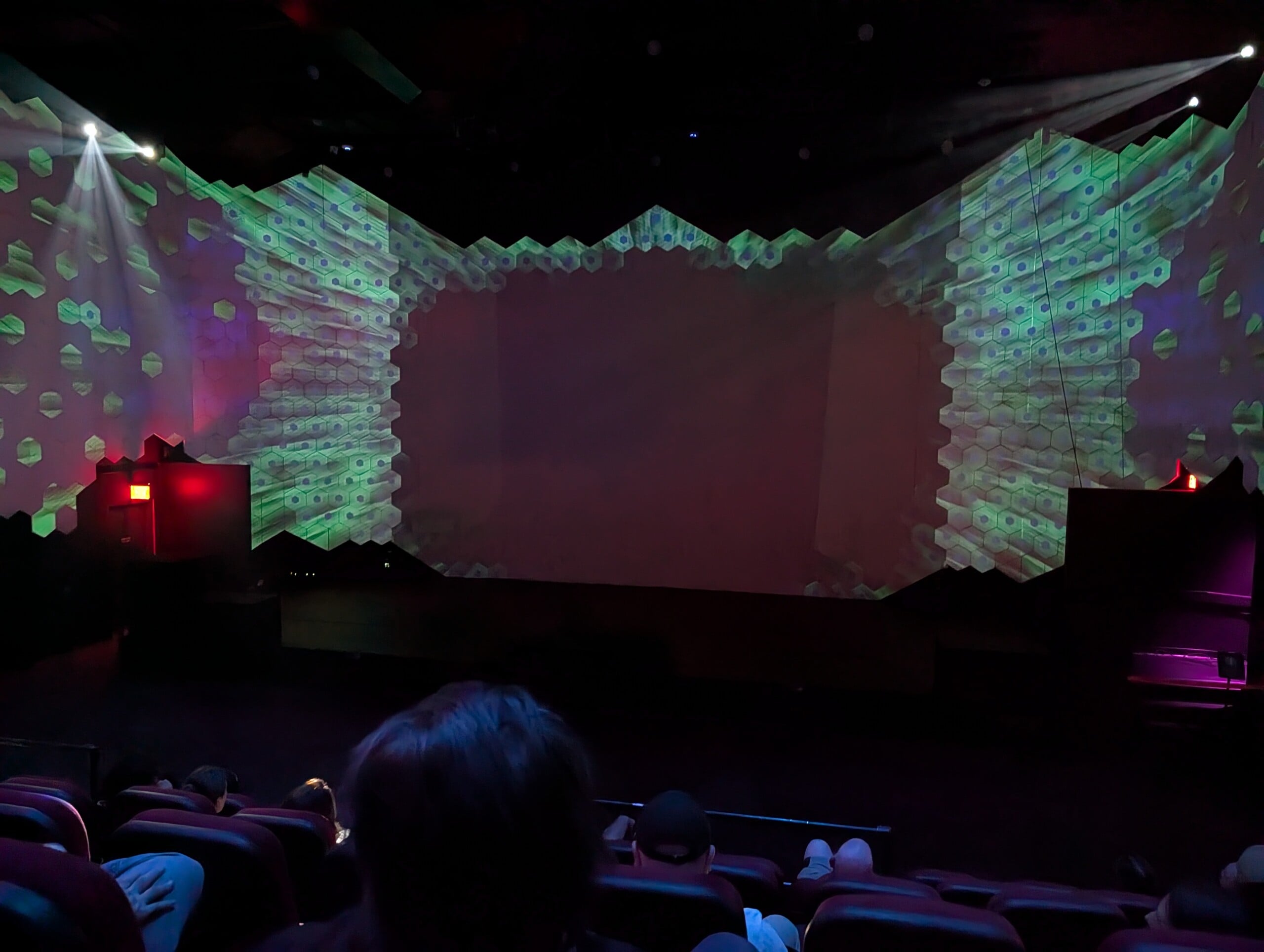
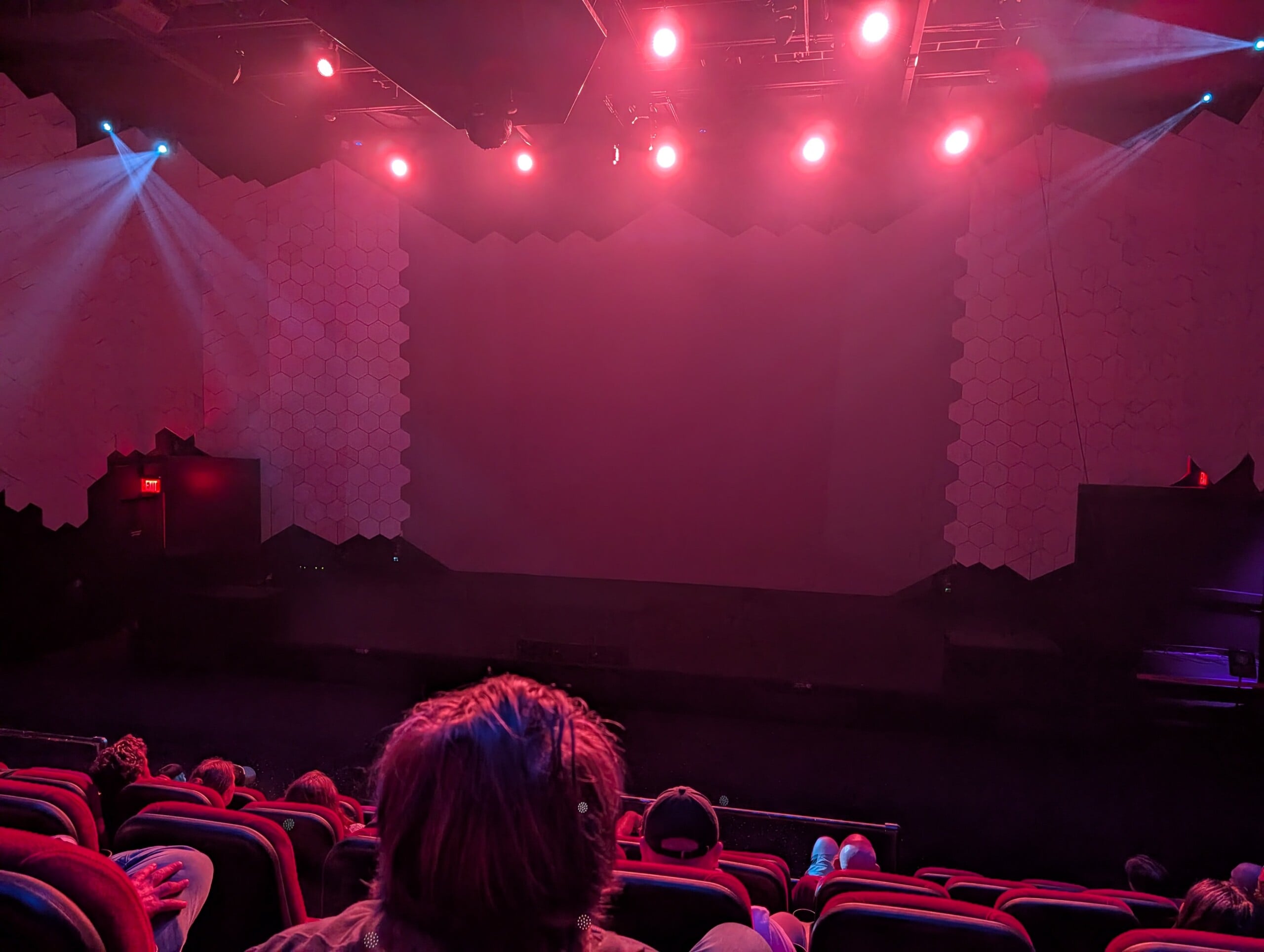
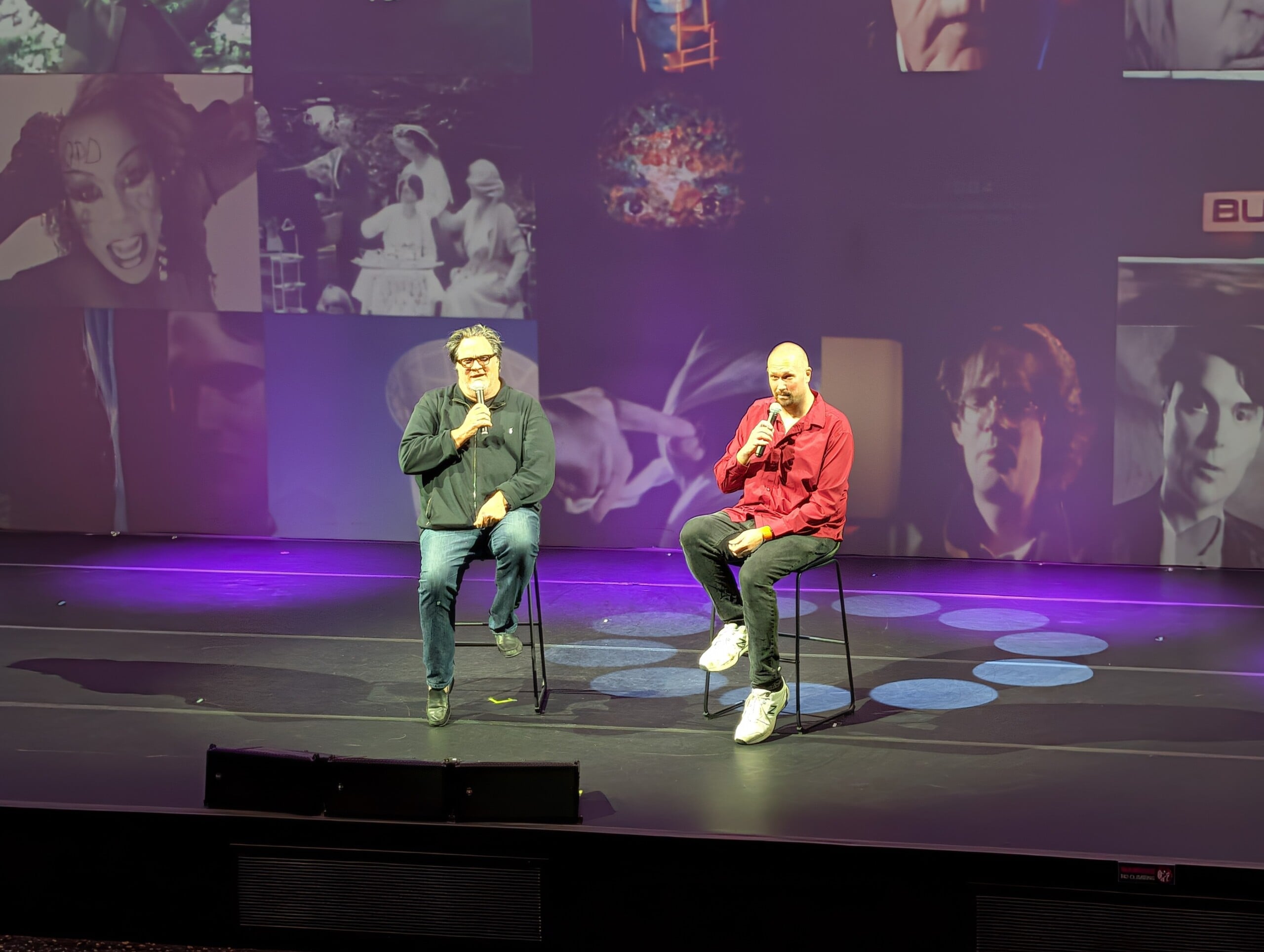
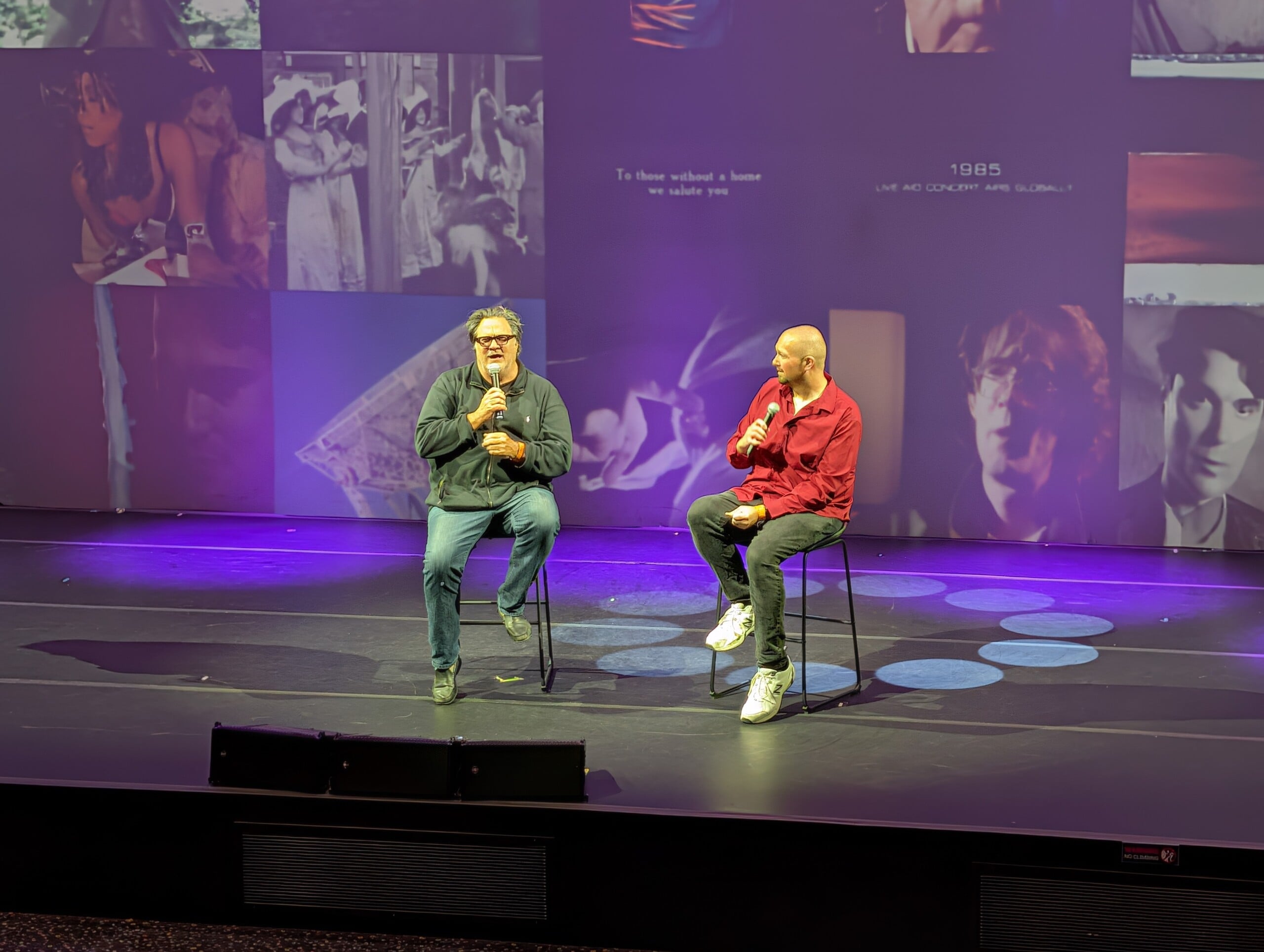
Pellington had selected clips to play in certain parts of the building, including a striking display in the Trance of the Sapphire exhibit, with vertical video playing off the mirrored walls and illuminated by the exhibit’s LED calligraphy. The display continued in the auditorium where, before the film played, episodes of Buzz scrolled across the room’s three walls of screens.
Watching This is Buzz feels like unlocking the source code of a specific kind of hard-edged 90s cyberpunk aesthetic. As a show, the 13-episode Buzz functioned like a fast-moving video collage combining art installation, news features, and montages of video clips and photos all centered on a unifying theme. Some episodes were as specific as homosexuality and the AIDS crisis, others as general as “heroes” or “the future.” Instead of a host introducing segments, the creators used a then-unknown RuPaul as a “composite host,” superimposing images across his blank face under affectless narration.
The look of Buzz was influenced by MTV’s flashy early-90s promos (Pellington worked on those before being paired with Klein to make Buzz), in addition to artists like Jenny Holzer, Marcel Duchamp, and William S. Burroughs. The show’s style later became connected to bands like U2 in their Achtung Baby and Zooropa era (the band hired Pellington to work on the Zoo TV tour after Buzz’s cancellation) and Pearl Jam (Pellington directed the music video for Jeremy). All this to say, even if you never saw the show, you’ve seen its effects all over popular culture.

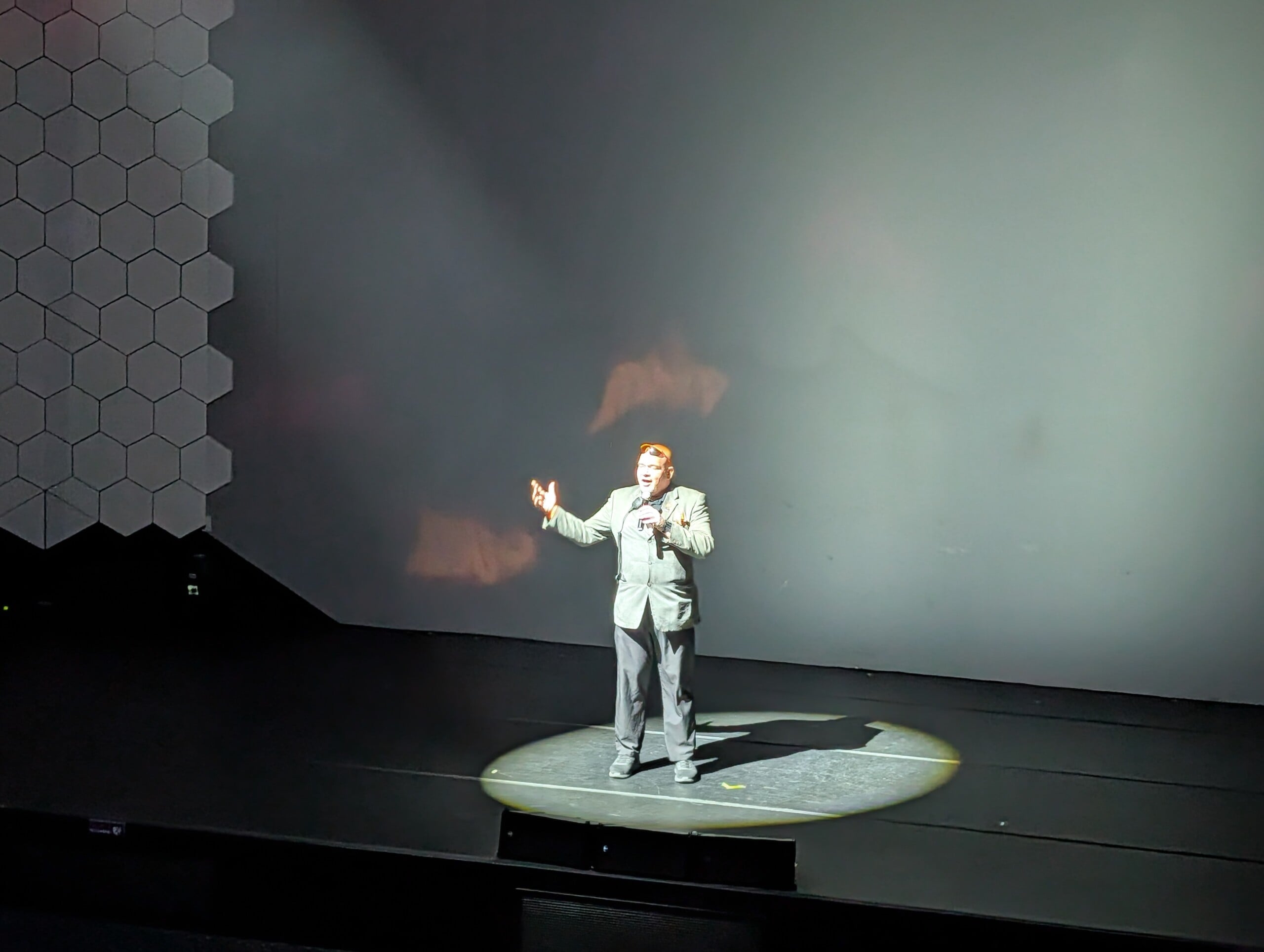
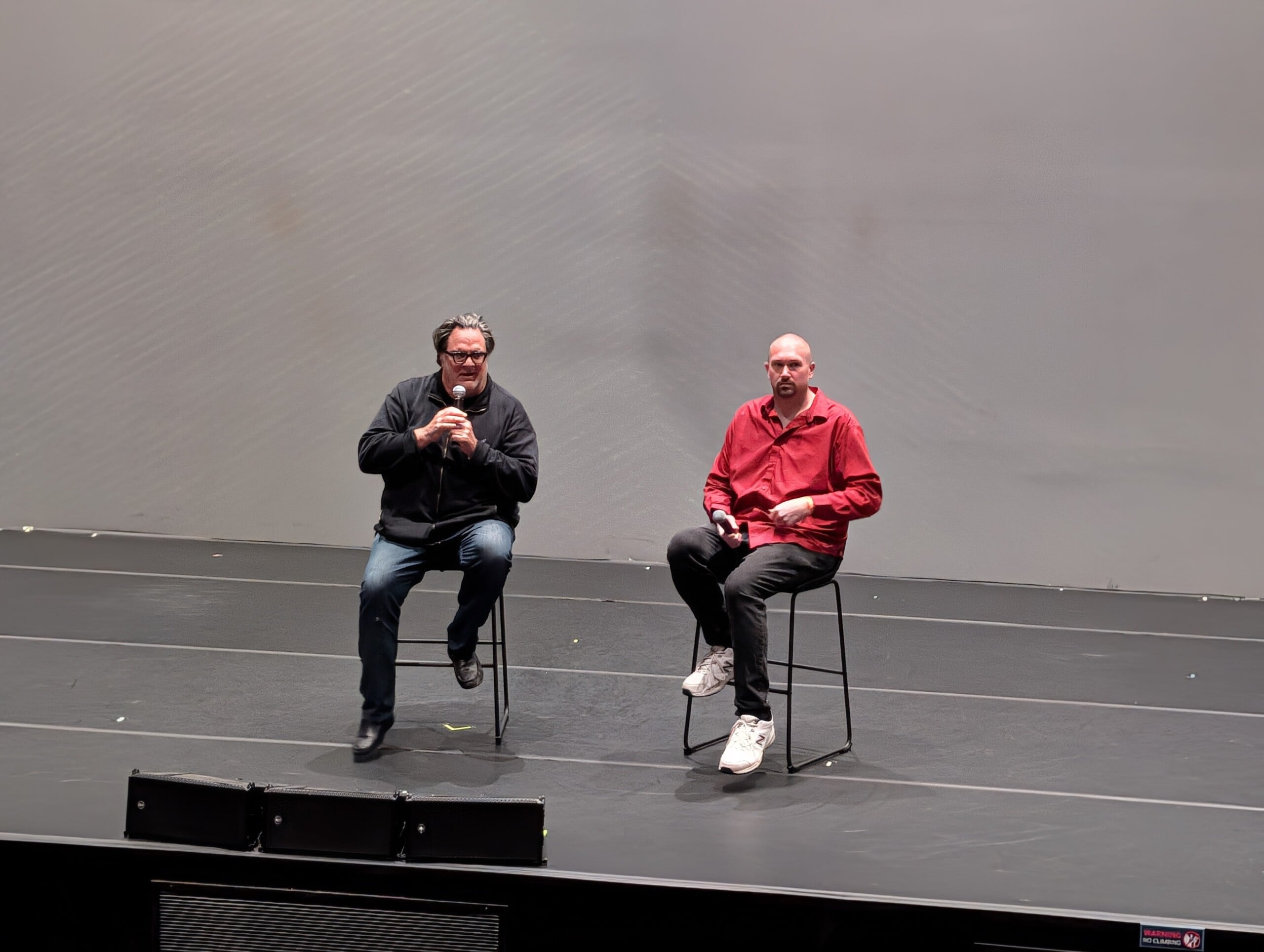
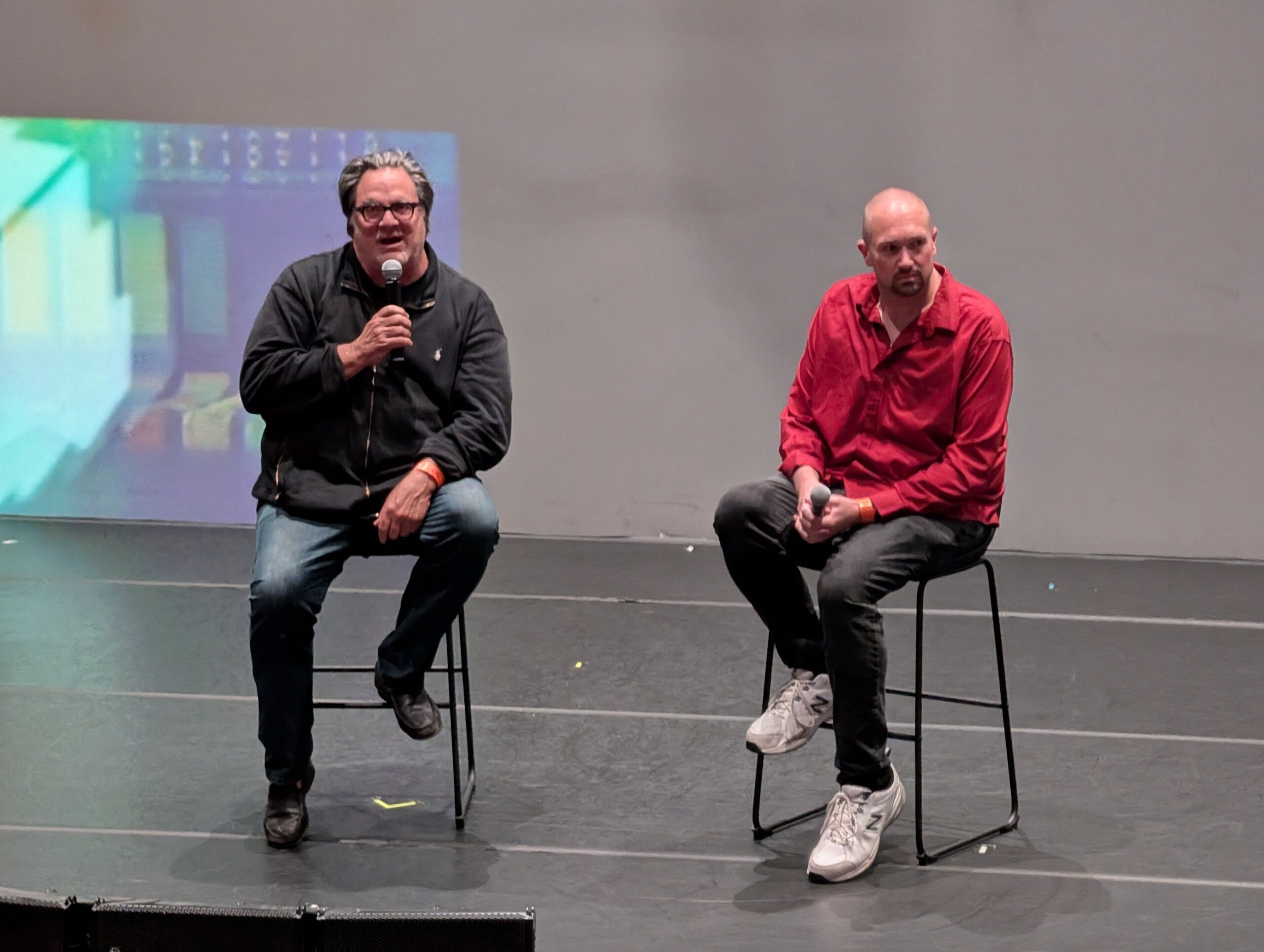
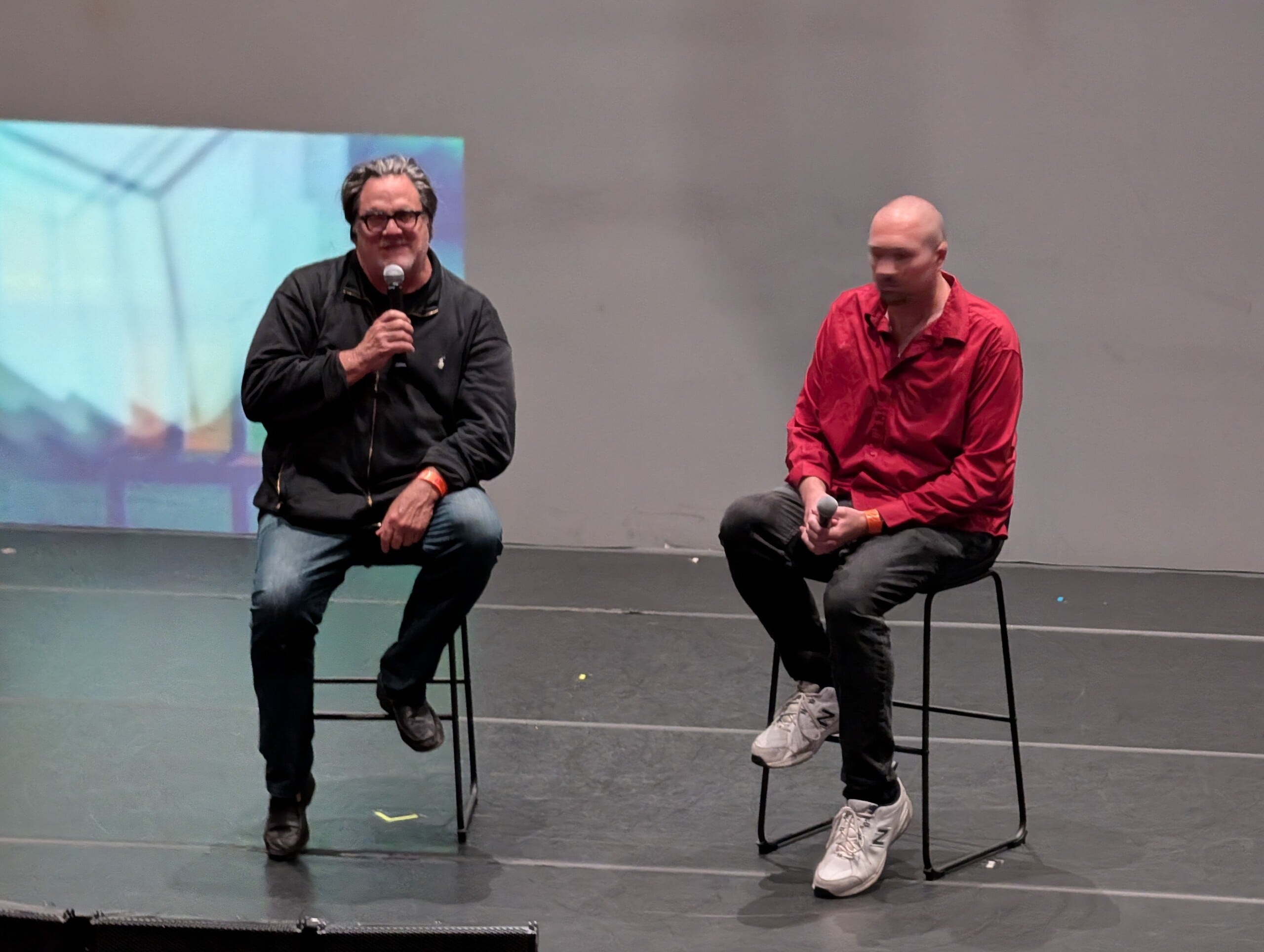
None of Buzz’s seismic aesthetic impact was intentional at the time, Pellington said during a Q&A following the film. “You don’t plan to influence people,” he said. “I was influenced by Robert Longo, Nam June Paik, hip hop music and Andy Warhol, because that was life in New York in the 80s.”
Now, he added, it feels odd to be frequently recognized for that hyperkinetic style, especially as his filmmaking proclivities have changed with age. “I was obviously really impatient then,” Pellington said. “My brain wanted to process things really quickly. The older I got and the more experience I got, the more I wanted to slow down and process what I was taking in.”

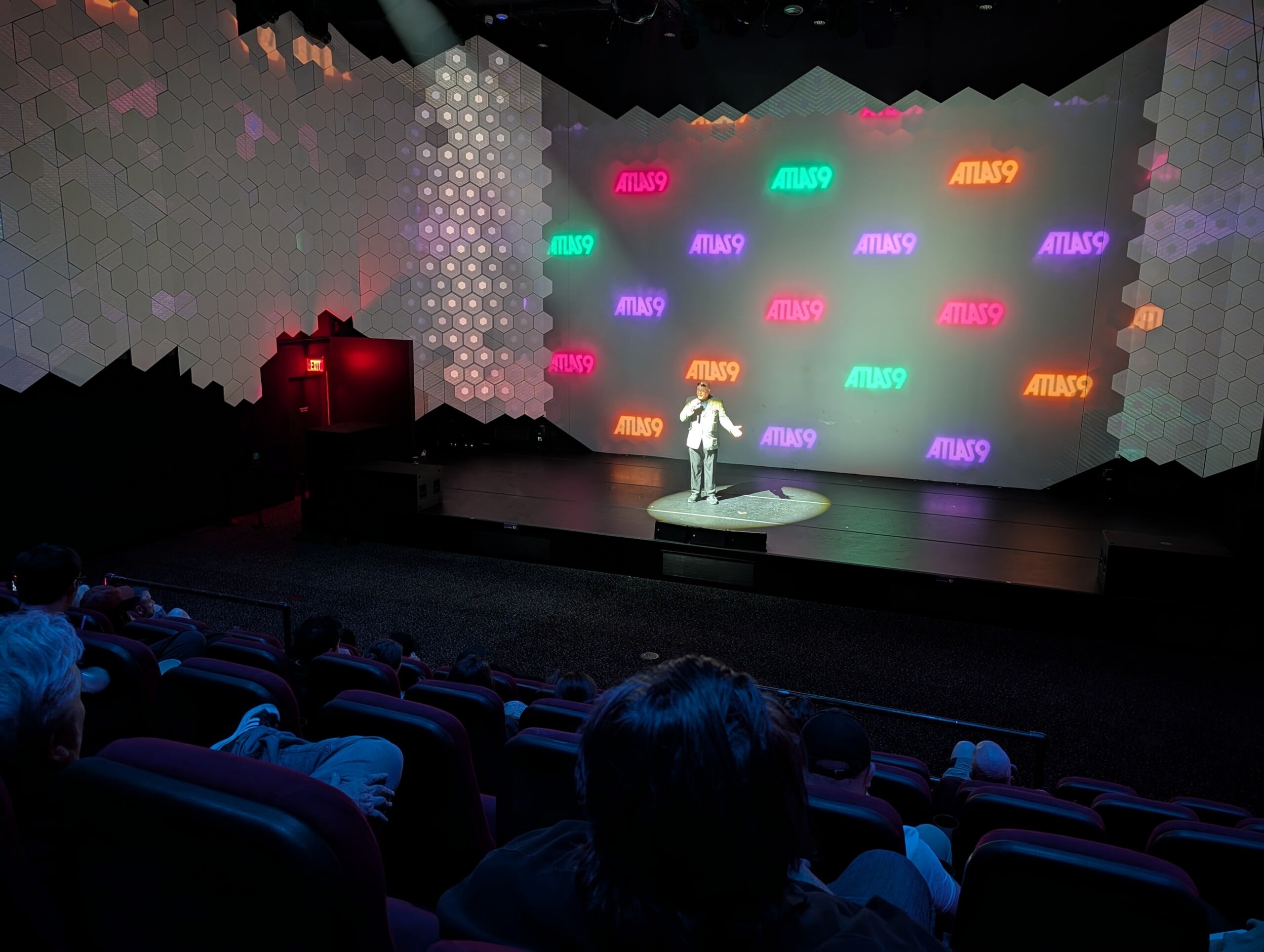
With This is Buzz washing across the three walls of Atlas9’s auditorium, watching it felt less like a movie and more like a 95-minute video art installation, with faces, clips and words surrounding the audience rather than simply facing them. Afterward, Pellington said he was delighted by the result. “This is the second best immersive experience I’ve seen next to the (Las Vegas) Sphere,” he said. “It felt calibrated to the space.”
This is Buzz is being released by Lee’s Summit-based Antenna Releasing and is currently on a roadshow tour of theaters across the country. For more on the film, check out The Pitch’s interview with Pellington.
PXL_20260924_235241129.MP
PXL_20260924_235229833
PXL_20260924_235225725.MP
PXL_20260924_235104663.MP
PXL_20260924_235054916.MP
PXL_20260924_235052915.MP
PXL_20260924_235017807
PXL_20260924_234121259
PXL_20260924_234118865.MP
PXL_20260924_234104071.MP
PXL_20260924_233737580.MP
PXL_20260924_233734495.MP
PXL_20260924_233731570
PXL_20260924_233447390
PXL_20260924_233438783
PXL_20260924_233426853
PXL_20260924_233425456.MP
PXL_20260924_233421706.MP
PXL_20260924_233248642.MP
PXL_20260924_233245900.MP
PXL_20260924_233201793

PXL_20260924_233158780
PXL_20260924_232452219.MP
PXL_20260924_232440334.MP
PXL_20260924_231119260.MP
PXL_20260924_231059729.MP

PXL_20260924_231055427.MP
PXL_20260924_231043120.MP

PXL_20260924_231032432.MP
PXL_20260924_235242497
PXL_20260924_235245007.MP
PXL_20260924_235246838.MP
PXL_20260924_235331042.MP
PXL_20260924_235332942.MP
PXL_20260924_235335419.MP
PXL_20260925_000028467.MP
PXL_20260925_000029688
PXL_20260925_000036106
PXL_20260925_000038088.MP
PXL_20260925_000039785.MP
PXL_20260925_000843570.MP
PXL_20260925_000849208.MP
PXL_20260925_000853934.MP
PXL_20260925_000856897
PXL_20260925_000859534.MP
PXL_20260925_001042979
PXL_20260925_001052049
PXL_20260925_002120522
PXL_20260925_002128891
PXL_20260925_002218936.MP
PXL_20260925_002221534.MP
PXL_20260925_021325511

PXL_20260925_021331862
PXL_20260925_021338248.TS-000
PXL_20260925_021338248.TS-001
PXL_20260925_021346868
PXL_20260925_021349143