Writer-director Joseph Scrimshaw talks horror festival darling Dead Media and Midwestern cinema ahead of Atlas9 screening

Dead Media. // Courtesy Joseph Scrimshaw
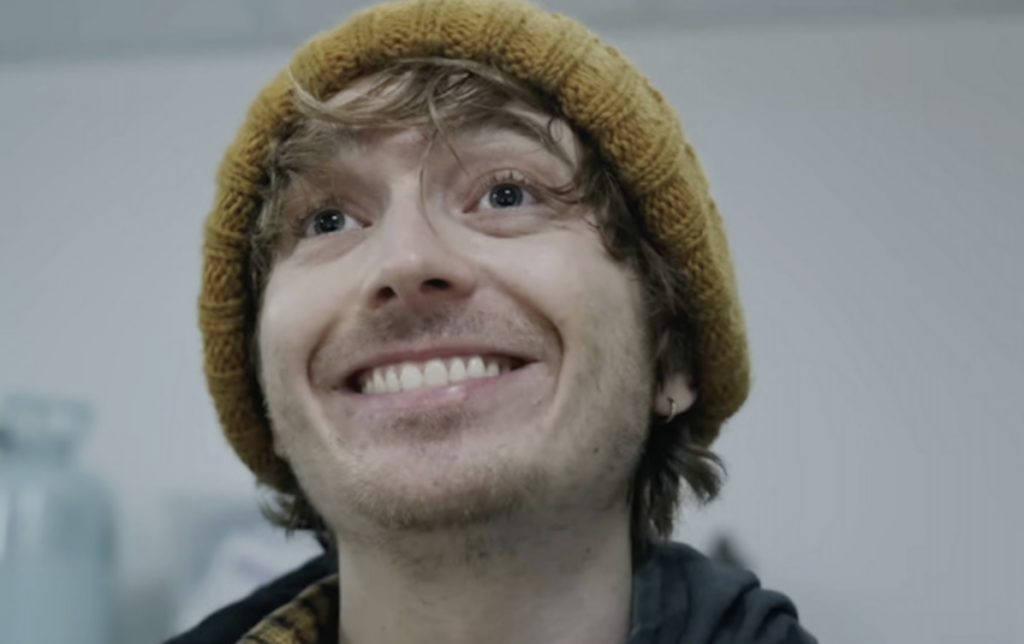
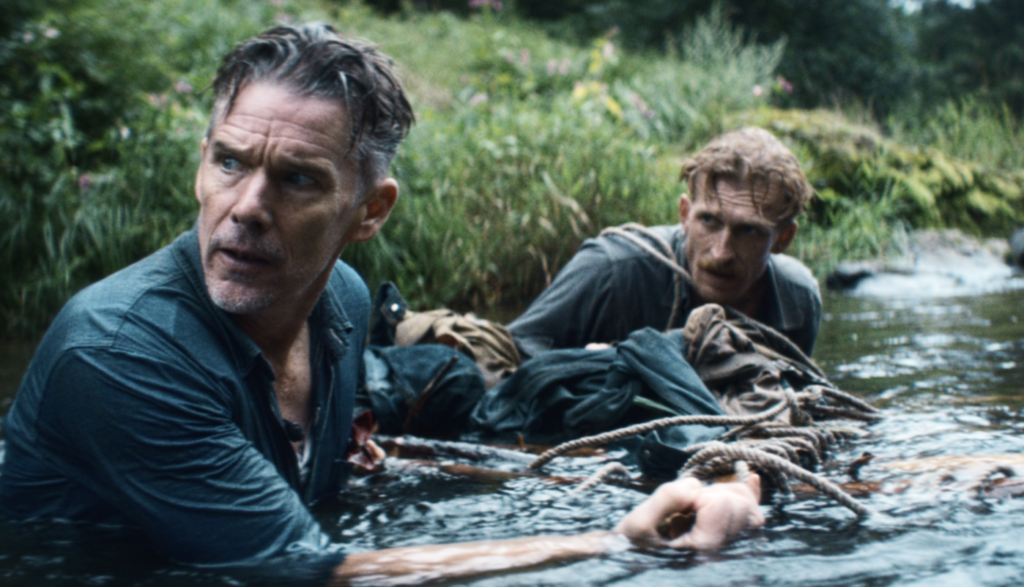
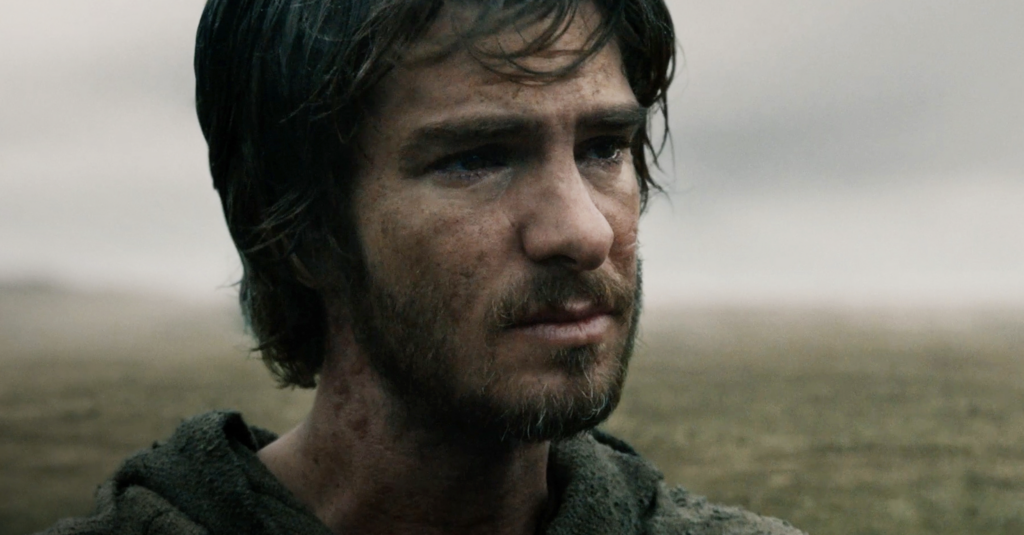
This year’s Panic Fest included a number of delightful surprises. Among them was Joseph Scrimshaw’s Dead Media, a low-budget charmer that was part of the festival’s online programming block. Scrimshaw’s movie follows a young movie fan, her Gen-xer uncle, and her dubious roommates as they accidentally unlock an easter egg on a 90s horror movie DVD that brings the movie to life.
Scrimshaw has been touring Dead Media around the country, and its upcoming local stop at Atlas9 couldn’t be better suited. Watching a movie where the monsters come to life at an attraction built around movies coming to life feels like a match made in cinephile heaven.
The writer-director joined us for a quick chat about his film (the version screening at Atlas9 is a new, tighter edit), the joys of physical media, and the importance of lovingly repping the Midwest onscreen.
Abby Olcese, The Pitch: What inspired Dead Media? Is there a particular film that made you want to examine 90s horror specifically?
Joseph Scrimshaw: One of my gateways to horror was the first Scream film. I was aware of that, especially with the character of Uncle Heppy in the movie being around my age; he’d have the same attachment to Scream I would and how it changed horror. It’s been a fun experience being on the road and being asked by audience members, “Have you heard of this film?” and I haven’t heard of it half the time. I joke that it’s been an expensive way of getting a great list of films to see.

Dead Media. // Courtesy Joseph Scrimshaw
Minneapolis and its film and acting scene is an important part of your movie, too. Was it always your intention to make something that showcased that place?
I love Minnesota and Minneapolis in particular. I lived in Minneapolis for years, did comedy and theater there. Eventually I got tired of the ephemeral nature of theater, so I moved to LA to pitch films and TV. I made some short films. When I was ready to make this feature, I wanted to make it in Minneapolis because of the support there, but also because I believe in the talent and crew there. I want to show audiences how talented people in Minneapolis are.
We’re also really about civic pride in Kansas City when it comes to movies and TV, I think in part because as Midwesterners we feel like we have something to prove to the rest of the country. Does that track for you?
I think so? There’s a little of that Midwest thing of “Don’t be too loud, don’t be too proud.” There’s a tension there between having all this talent but also don’t compliment yourself too much.

Courtesy Joseph Scrimshaw
Physical media plays such a vital role in this movie. How important was it to your own development as a film fan and a filmmaker?
It was more important than I even realized. Some of my initial thoughts of doing this came in 1999 or 2000 when DVDs first came out. I thought they were so exciting; it was the dawn of a new day with the level of information you could get with behind-the-scenes videos and interviews.
That’s also around the same time VHS found footage horror like The Blair Witch Project took off. It made old stuff seem immediately creepy. I wondered, could a shiny DVD seem creepy? Now there’s so much nostalgia tied up in early DVDs that they start to feel haunted to me. As streaming has become prevalent and there’s more pressure from corporations not to give you physical media to watch at home, those objects become even more important. There’s defiance in it.
One of the details in Dead Media that I really loved was how the quality of the image changes when the characters are watching Night of the Lurchers, the movie-within-the-movie, and interacting with parts of that movie after it comes to life. How did you figure those parts out?
We shot all the scenes of the movie-within-the-movie first, then we’d shoot the rest during the day. At night I’d edit those scenes. My friend who has a background in designing DVD menus made the menu for the DVD in the film, and burned the scenes I’d edited onto a DVD. When the characters watch Night of the Lurchers, they’re watching a real DVD.
When the main characters interact with the scenes from the movie, we thought, “How would it be recorded onto a DVD in 1999?” They’d probably quickly scan a rough print, so there’d be scratches. An audition reel included as a bonus feature would’ve been recorded on cheap VHS. It was really fun.
What piece of physical media do you own that you’re grateful to have? Not necessarily because it’s valuable, but just because you’re glad you have it?
There was a box set on VHS of the complete Twin Peaks, minus the pilot, which they couldn’t include for rights reasons, that came out in 1993. That was the first time I experienced the idea of “You can own it all, from top to bottom.”

Dead Media. // Courtesy Joseph Scrimshaw
I was shocked to find out a couple of years ago that the used DVD of 28 Days Later I got at Hastings in 2006 was one of the only ways to watch that movie until recently because of music rights.
For me it’s older films, classic Hollywood, like 30s, 40s, 50s. There was a comedy duo called Wheeler & Woolsey who were sort of Marx Brothers-like, but their stuff is completely lost to time. You’ll never find them on streaming. It’s the historical stuff I miss, the stuff that’s like a dot on the map of how we got to where we are.
There’s been conversation on the internet lately about how the difficulty of finding a movie you really wanted to watch pre-streaming, or even just happening on a movie on cable, enhanced the experience of watching something for the first time. I think that’s certainly true of my own experience growing up. What do you think?
There’s something weird about how energy-draining picking a film on streaming is. Finding something on cable late at night was like this secret. I remember finding The Lair of the White Worm when I was too young and not knowing what it was for years and years and then seeing it again as an adult and going, “Peter Capaldi was in that? Amazing!”
Going to the video store was community. It’s an enjoyment of limited choices. There was encouragement to enjoy things more. When you have everything open to you with streaming, it changes how you watch it. Rate it right now; no, you can’t watch the credits; watch the next one. With video stores and cable, it was like “This is what we found, we’re gonna sit with it and let it sink in.” There’s a substantive change in how deeply we let the art affect us.
Dead Media comes to Atlas9 this week.