KC Cares: Mental Health America of the Heartland pays hard-earned knowledge forward

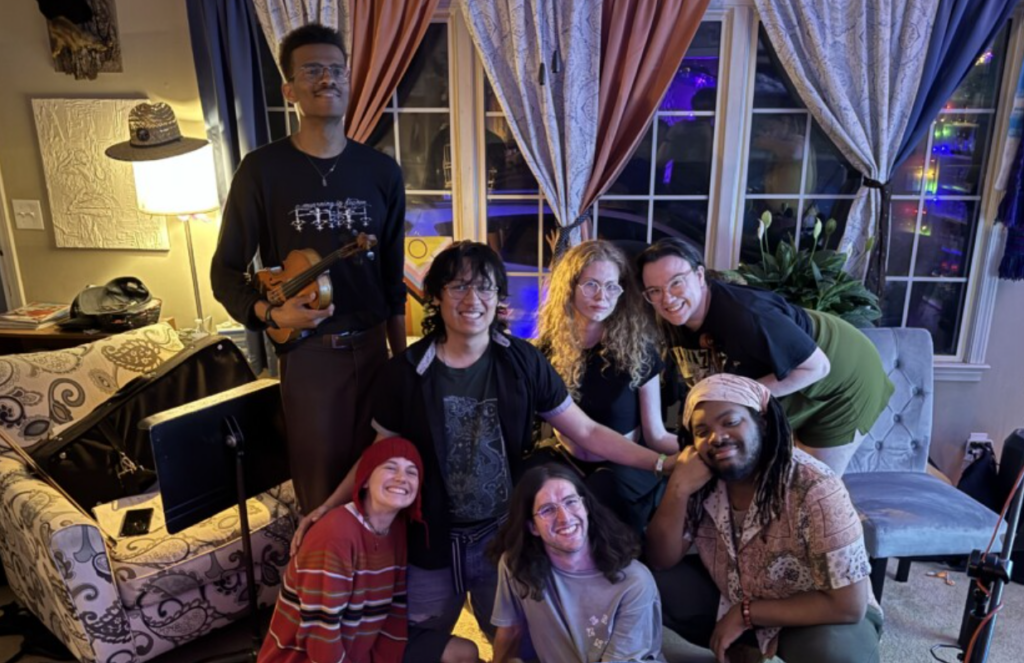
Courtesy Mental Health America of the Heartland
When you’re having issues with your mental health, sometimes it helps to talk with someone who’s been in your shoes. That’s one service that Mental Health America of the Heartland provides for free.
Their Warmline offers operators who have all dealt with mental health issues.
“We want folks with lived experience of recovery to be employed and be using their hard-earned knowledge to help other people,” says Simon Messmer, vice president of MHAH.

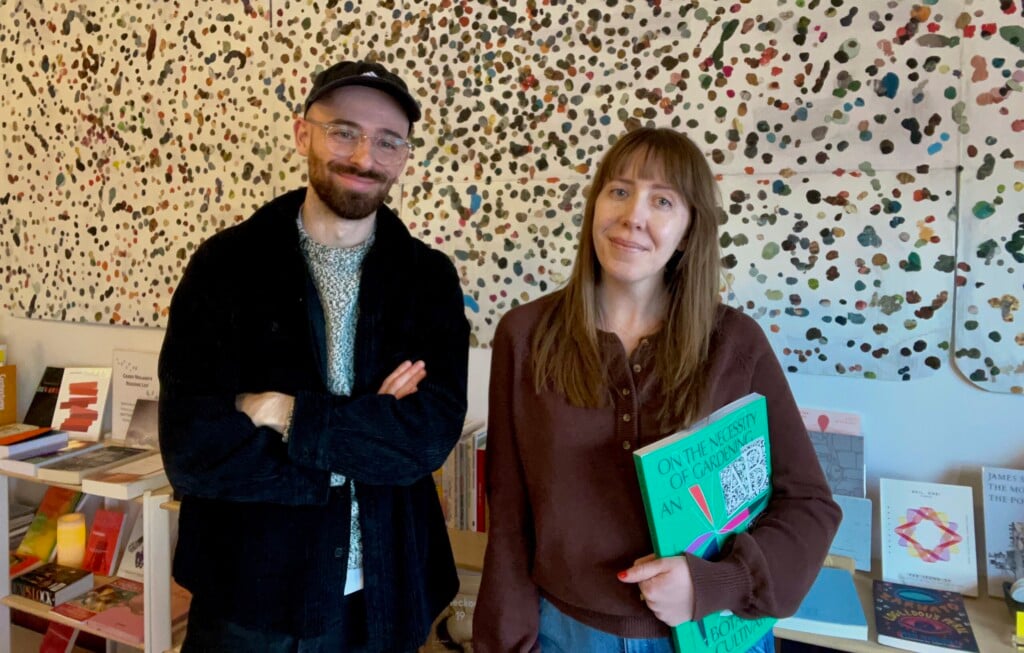
Courtesy Mental Health America of the Heartland
It’s not meant for an urgent crisis, such as feeling suicidal, but it can help with the more everyday mental health problems.
Whether it’s providing a friendly ear to someone who’s just lonely or pointing people to free or low cost resources that can help mitigate mental health issues they’re having, the Warmline serves a lot of purposes.
“A lot of folks that we talk to don’t have health insurance. They don’t have a therapist. They don’t have access to things like case management. … A lot of the folks that we talk to don’t have a way to pay for mental healthcare, so we try to find things we can connect them to,” Messmer says.
It’s open to calls from 9 a.m. to 9 p.m. every day of the year. Most of the calls come from local folks, but Messmer says they’ve gotten calls from all over the country and the world.
Many of the people who call are “really disconnected from family members. We get a lot of calls about how to rebuild family relationships,” he says.
“Jane” has been an operator on the Warmline for two years and answers the phones 20 hours a week.
“Sometimes, they’re homeless. Sometimes, they have a variety of different situations with their loved ones. It’s not just one set thing. They might talk about their children. They might talk about their parents,” Jane says. “Then we’re having younger people call now in the 13 to 18 range. They’re concerned about going to school and what they’re going to do in their future.”
She also hears from a lot of senior women who need help caring for themselves and have no idea where to go for help. Jane tries to tailor advice to each situation.
“I try to give them different coping skills to deal with what’s going on with them. That could be journaling (or) a wellness recovery action plan made by Mary Ellen Copeland. It’s a situation where you write stuff down and you’re able figure out your triggers and what’s triggering you and how to deal with your triggers,” Jane says.
She has personally dealt with having a bipolar and PTSD diagnosis, and she’s found that sharing that with callers can help them feel seen.

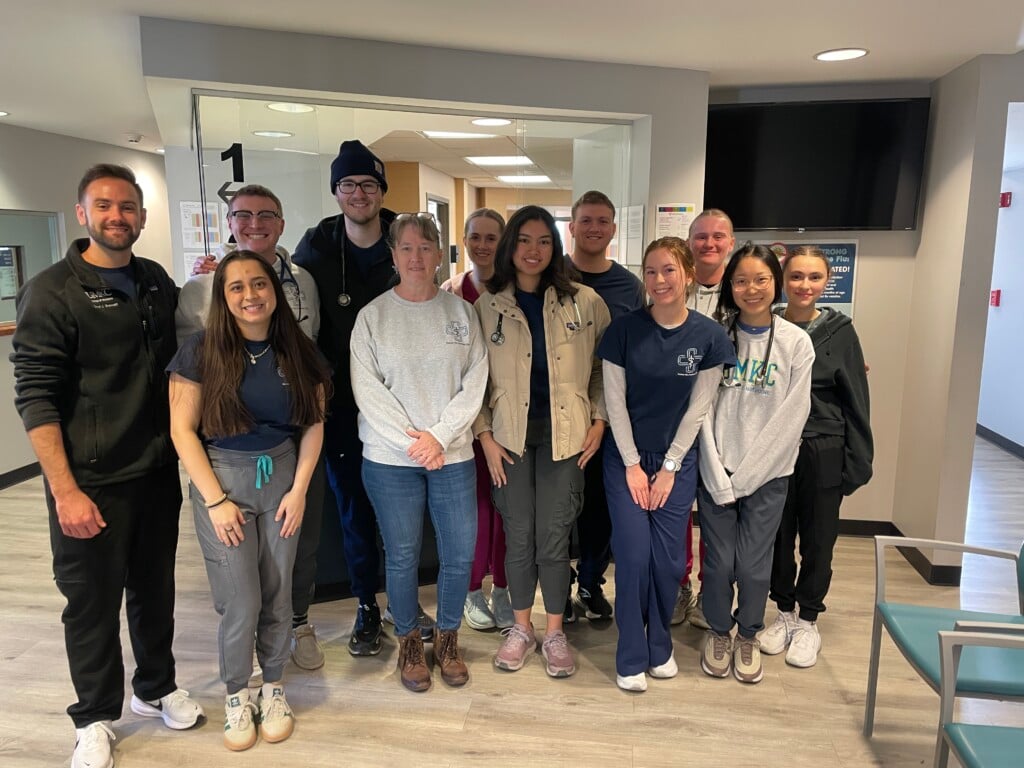
Courtesy Mental Health America of the Heartland
“When they hear that you’ve had mental health challenges yourself, (they say), ‘Oh, wow. You understand me.’ They talk about their being bipolar and the manic and their depression, and I say, ‘Hey, I’ve been through some stuff like that too. Would you like to talk about that?’” Jane says.
Another thing the organization does is help provide stable housing for people with mental health problems. They’ve recently partnered with Douglas County on a project that will open 34 units of supportive housing for people have struggled with homelessness.
“Our role will be to go into people’s homes and do everything we can to keep them housed, whether that is helping them with daily living skills like learning how to cook to getting connected to healthcare to making sure they’re getting to their behavioral health appointments. Whatever it takes,” Messmer says.
Because this particular project’s funding is from the county level, it will not be affected by any cuts made by the U.S. Dept. of Housing and Urban Development, Messmer says.
He’d love to have more volunteers who want to interact with people in their various supportive housing programs. Possible roles would be to give a talk about a skill such as budgeting or lead an arts and crafts project. If that’s out of your wheelhouse, you can just sit down for a chat over some coffee with the residents.
For more information about Mental Health America of the Heartland, visit mhah.org. To reach the Warmline, call (866) 927-6327.