Limiting Green Time: Stretches of canna-sobriety can make sparking up even sweeter

I love cannabis for many reasons, including the psychedelic effects and how it can bring people together. But for about two and a half years now, I’ve been carefully controlling my cannabis intake after realizing I was using more than I felt good about.
Even as a medical patient with chronic pain and a partially functional arm, I wanted to be in control of when and why I was partaking. And as a reformed daily weed smoker, I’m here to tell you that your life will improve with less frequent cannabis use.
Speaking as an enthusiast, I would argue that managing your cannabis use in a heavily commercialized industry is an act of self-care, similar to managing how much time you spend doomscrolling or how often you drink coffee.
What used to be the dirty little secret you couldn’t consume publicly has exploded into a $1.5 billion industry in Missouri last year, according to an October study released by the state, with more billboards than even the most ambitious ambulance-chasing attorneys. Protecting your relationship with cannabis is a long-term investment in yourself and your mental health.
In a world where products are continuously increasing in potency and cannabis use disorder is on the rise, per new research published in JAMA Psychiatry, managing your tolerance and dependence is essential.
If you’re a frequent smoker, you aren’t alone, either, with Psychology Today reporting more Americans using cannabis daily than nicotine or alcohol. Culturally, in the world of potheads, consuming daily is extremely normalized, fed by the common misconception that one can’t consume “too much” cannabis. And sure, people can’t overdose on cannabis, but consuming it daily is keeping your body and mind in constant withdrawal, perpetuating your usage on a chemical level.
If you’re looking for ways to keep your tolerance in check, much less combat dependence on cannabis, I certainly recommend frequent breaks (aim to stay sober more often than you consume), and at least one extended break per year. I like to reframe the time off as an opportunity to get to know myself better and explore new things to avoid the negative connotation that can come with giving up something you love, even temporarily.
While each person’s consumption will vary, I’m going to talk about strategies that have worked for me as I reduced my consumption over the past few years.
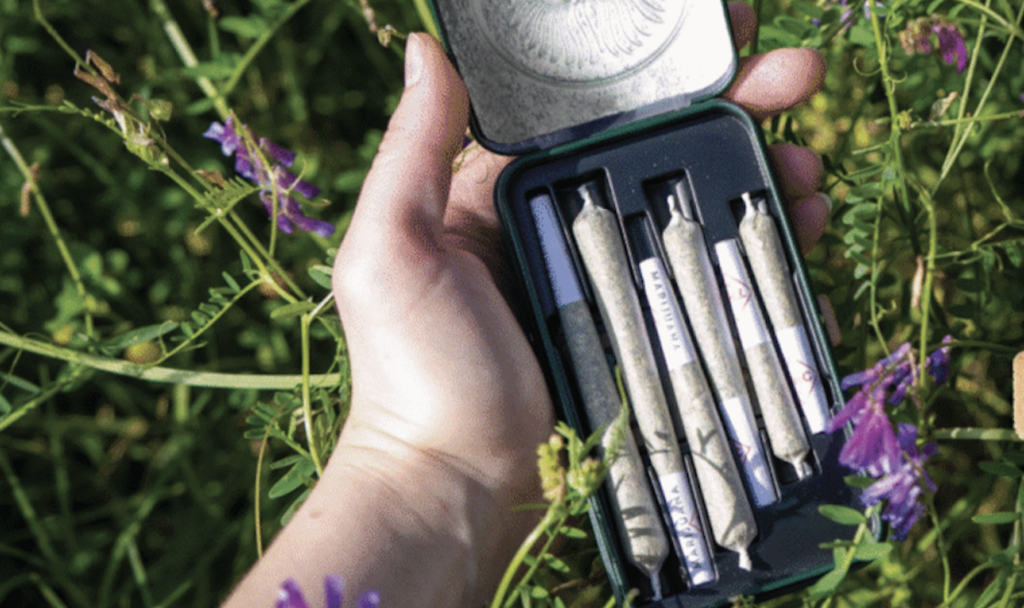
First, stay away from vaping cannabis as your default. The concentration of vapes usually ranges from 80% to 100%, which is truly unhinged. Your tolerance skyrockets; suddenly, the highs aren’t hitting like they used to, and you need more and more product to feel anything at all. Besides ruining your tolerance, vapes (even those from a licensed dispensary) have been found to have heavy metals like lead in their cartridges. I use cannabis vapes occasionally while traveling, but I’ve started to pull back even from that limited use, sticking instead to throwing a few edibles in my bag.
Cravings are most likely to happen in your usual routine following a trigger–if you usually smoke after work to “unwind,” logging off your work computer or arriving at home could be your trigger. Switch up this routine so you don’t drive yourself crazy; try meeting friends right after work or going for a walk before you cook dinner. I also think it helps to keep mints or gum handy so your hands and mouth have something to do when you have a craving.
Tell friends or loved ones about your sobriety goals! Sharing your goals is always a great motivator, but it’s especially helpful when you’re doing something important for your own well-being and health. Once someone knows you’re taking a break or spending more time sober, they will better know how to support you. (And if they aren’t being supportive of your sobriety, I have some choice words for them).
When planning an extended break, spend some time thinking and writing about the goals you want to achieve, then build your roadmap and support system accordingly. Hopefully you already have a lovingly dog-eared journal, but if not, this is the ideal time to get one. Write down your plan for reducing your cannabis use, and then get ready to write about any unexpected feelings or experiences you may have during your break, especially during the first couple weeks of an extended break. If you’re one of the many daily users of cannabis, start by taking one or two days off per week and go from there.
If the idea of taking a break feels completely overwhelming, I’d gently challenge you to explore why, possibly with the help of a counselor or close friend.
At the start of an extended break, your body will need extra sleep, and you might feel irritable. (Or maybe you’re just always irritable, who knows?) Be kind to yourself for prioritizing what’s best for your body, even if some moments are difficult or taking a break is harder than you expected. When I feel dissatisfied with my progress, I take a moment to compare where I’m at now to a few years ago, when I was using cannabis much more frequently and barely enjoying the high.
Finally, my favorite piece of advice is to stay busy. Beyond extra rest at the start of a break, I love filling my schedule with new experiences around Kansas City. Anything that sounds fun works, and you get bonus points for journaling about how it felt to do it sober.
Recently, I’ve gotten back into reading 1908’s “Anne of Green Gables” as a delightful reprieve from our present nightmare; “Doll Parts” was a thriller that made me gasp when the twist was revealed, which is hard for me to do while high. I also do dinner with friends weekly while sober, either at my apartment, their home, or a local restaurant, so I can be fully present as we share life updates and plan our next adventure.
One last note for my fellow medical users. From my experience in group therapy at a chronic pain clinic, I know all of us are in different situations and have different needs. I’m not here to shame you for using cannabis to help you manage your condition–I actually encourage it as an alternative to pills or feeling completely overrun by your day-to-day.
That said, don’t be afraid to look critically at how often you’re using it. You’ll get more relief from products if you can dial back your usage.