Kansas cases of illness causing explosive diarrhea jump to 289

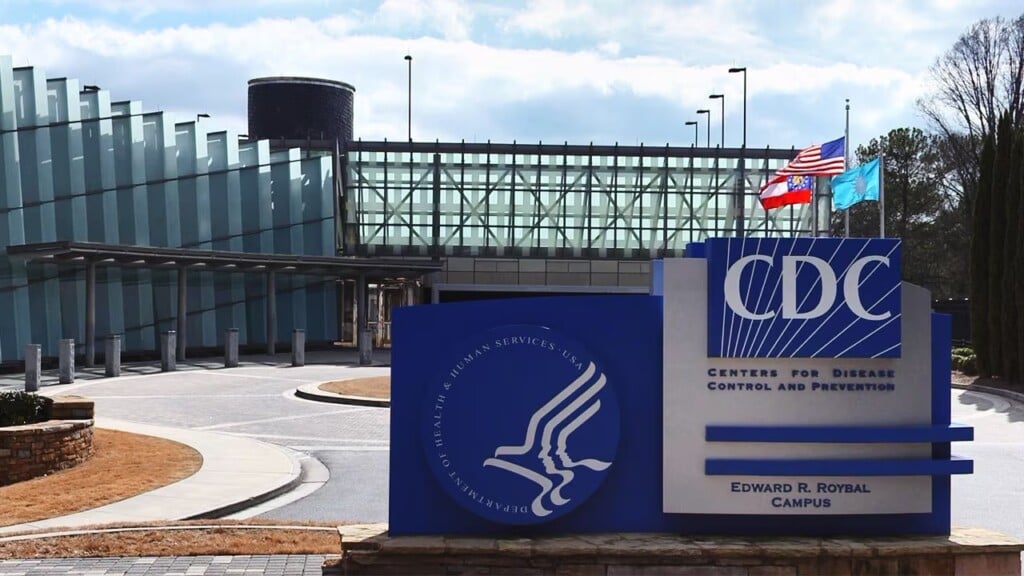
A national outbreak of cyclosporiasis, a gastrointestinal infection, topped 7,400, according to the U.S. Centers for Disease Control. Kansas is reporting 289 confirmed cases, and the state health agency said they are connected to the national outbreak. (Photo courtesy Centers for Disease Control and Prevention)
TOPEKA — Kansas cases of an infection that causes gastrointestinal illness increased to 289 over the past week, and the state’s health agency said they are connected to a national outbreak.
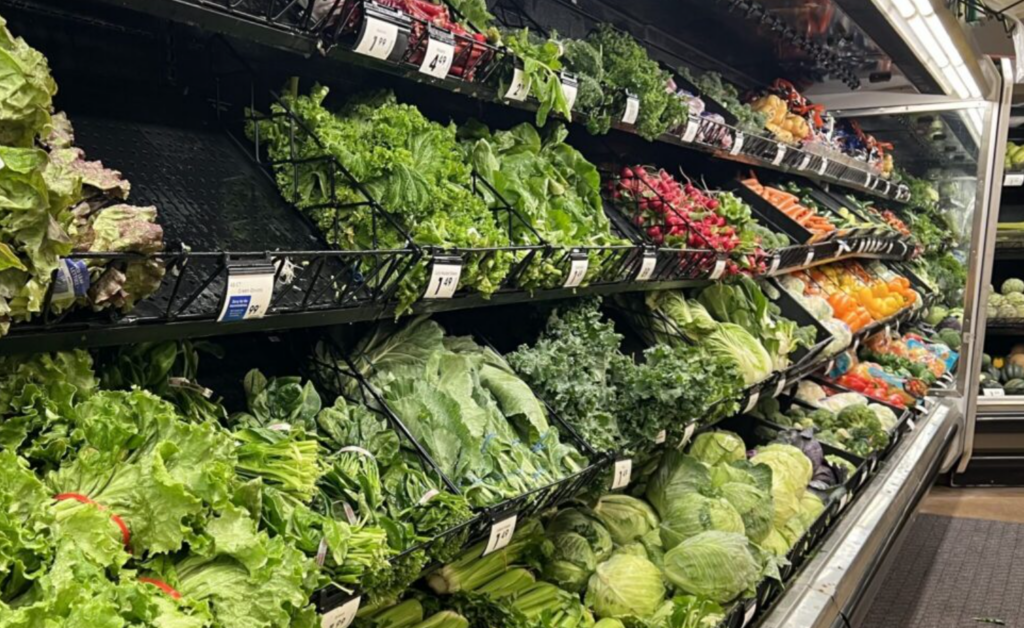
The state’s cyclosporiasis cases are part of more than 7,400 cases reported nationally and are linked to Taylor Farms de Mexico iceberg lettuce, which was voluntarily recalled from restaurants and grocery stores on Friday, the Kansas Department of Health and Environment said in a news release Wednesday.
The U.S. Center for Disease Control and Prevention’s website reported the agency is aware of more than 7,400 cases nationally, with 4,173 confirmed cases. There have been 308 hospitalizations from the outbreak and no deaths.
KDHE reported that of the state’s total cases of cyclosporiasis, an infection caused by the organism Cyclospora cayetanensis, 114 were domestically acquired, 24 were likely linked to international travel and six could not be classified. The remainder are pending classification.
Taylor Farms de Mexico voluntarily recalled all iceberg lettuce sourced from central Mexico from the U.S. market, which includes Marketside-brand products sold at Walmart:
- Marketside 12-oz and 24-oz Iceberg Salad with Best if Used By dates of July 18 to Aug. 3.
- Marketside 8-oz and 16-oz Shredded Lettuce with Best if Used By dates of July 18 to Aug. 3.
Other Taylor Farms lettuce products are sold for food service, KDHE said.
The parasite Cyclospora cayetanensis is commonly found in tropical or subtropical countries and spread by food or water contaminated with feces, KDHE said.
Cyclosporiasis isn’t known to spread from person to person, KDHE said. Symptoms occur two to 14 days after exposure and may include:
- Frequent watery diarrhea.
- Loss of appetite.
- Weight loss.
- Abdominal cramps and bloating.
- Nausea.
- Less common symptoms include vomiting and low-grade fever.
KDHE said anyone experiencing sudden gastrointestinal illness should be evaluated by a health care provider. The disease is usually treated with an antibiotic, the agency said.
“Cooking fresh produce before consuming or avoiding fresh produce all together during periods of increased cyclosporiasis activity are the safest options and are the preferred prevention methods for those who have a higher risk of dehydration or weakened immune systems,” the KDHE release said.
That includes people on chemotherapy and organ transplant recipients, as well as infants, young children and elderly people.
Kansas Reflector is part of States Newsroom, a nonprofit news network supported by grants and a coalition of donors as a 501c(3) public charity. Kansas Reflector maintains editorial independence. Contact Editor Sherman Smith for questions: info@kansasreflector.com.